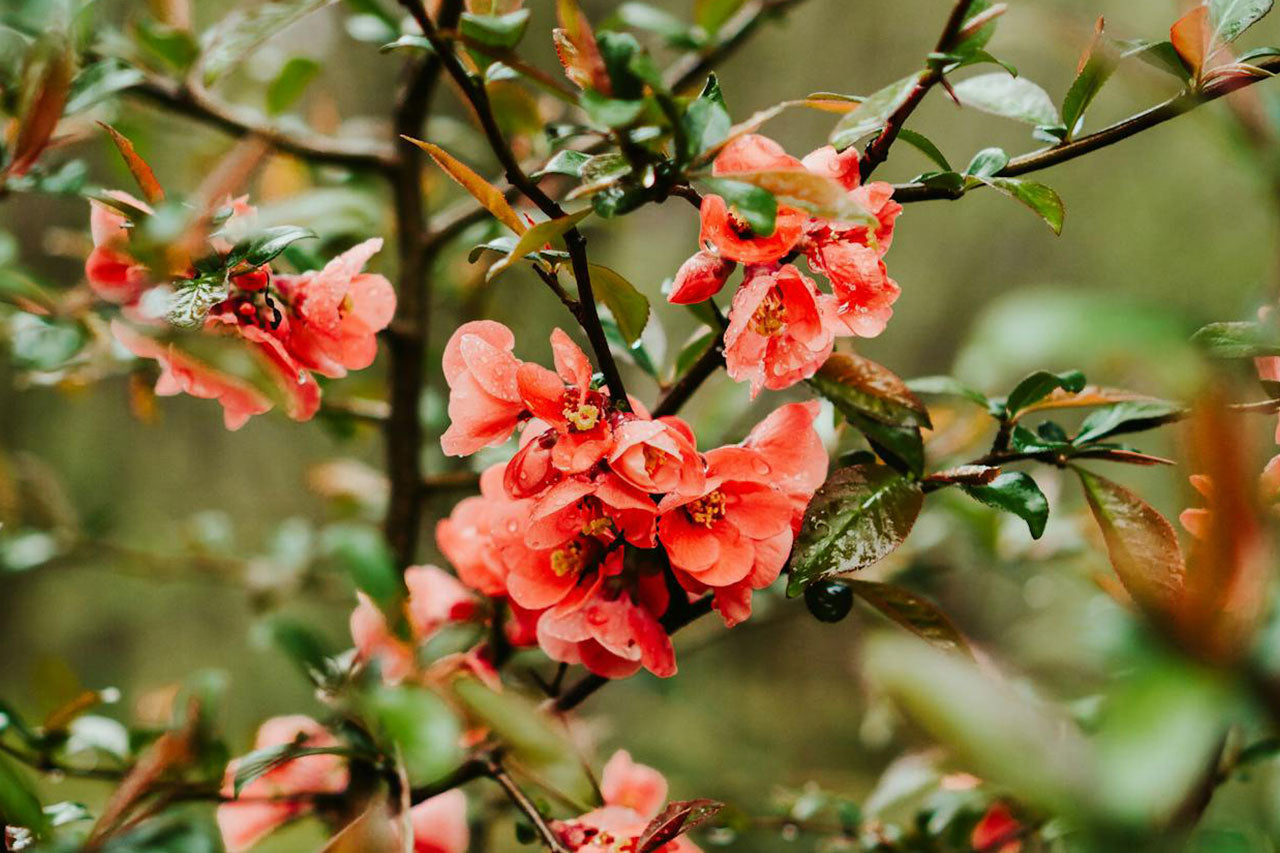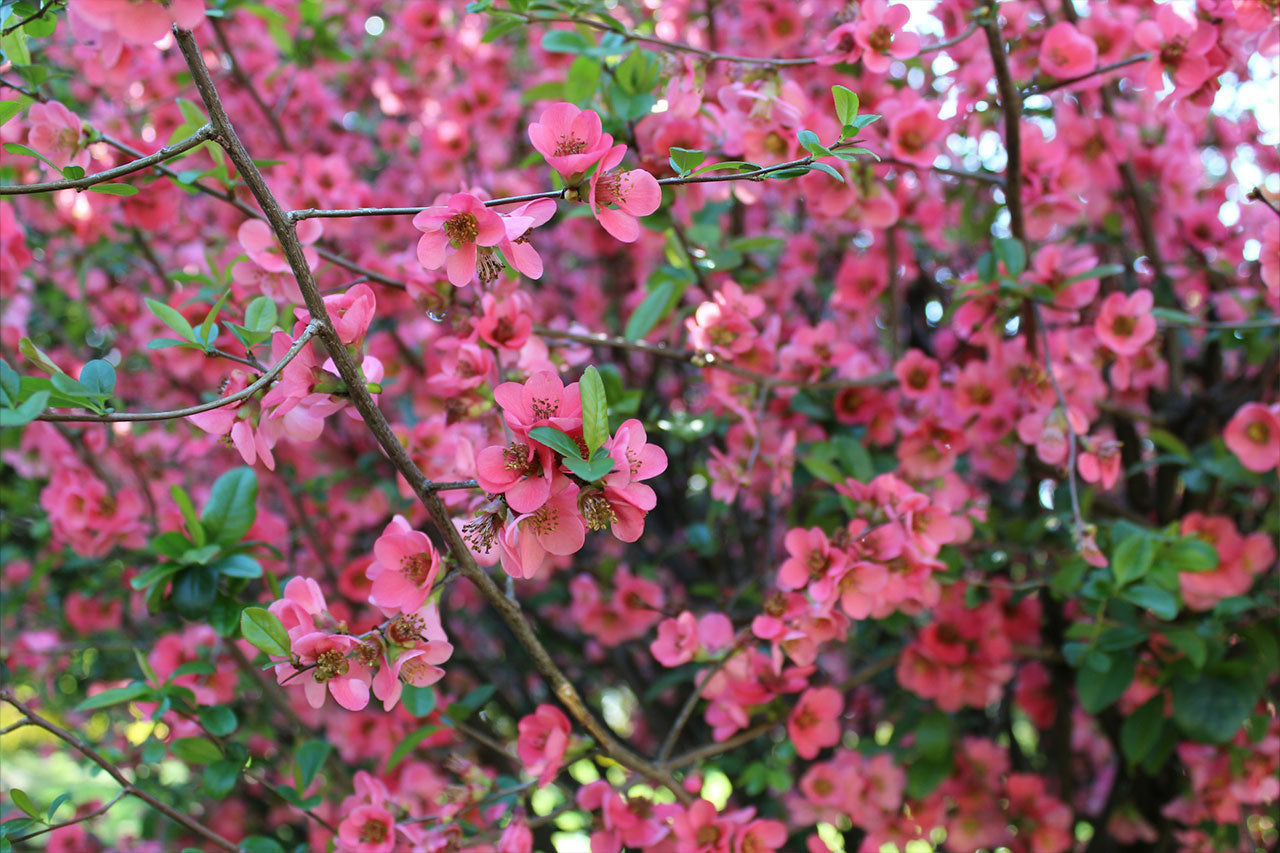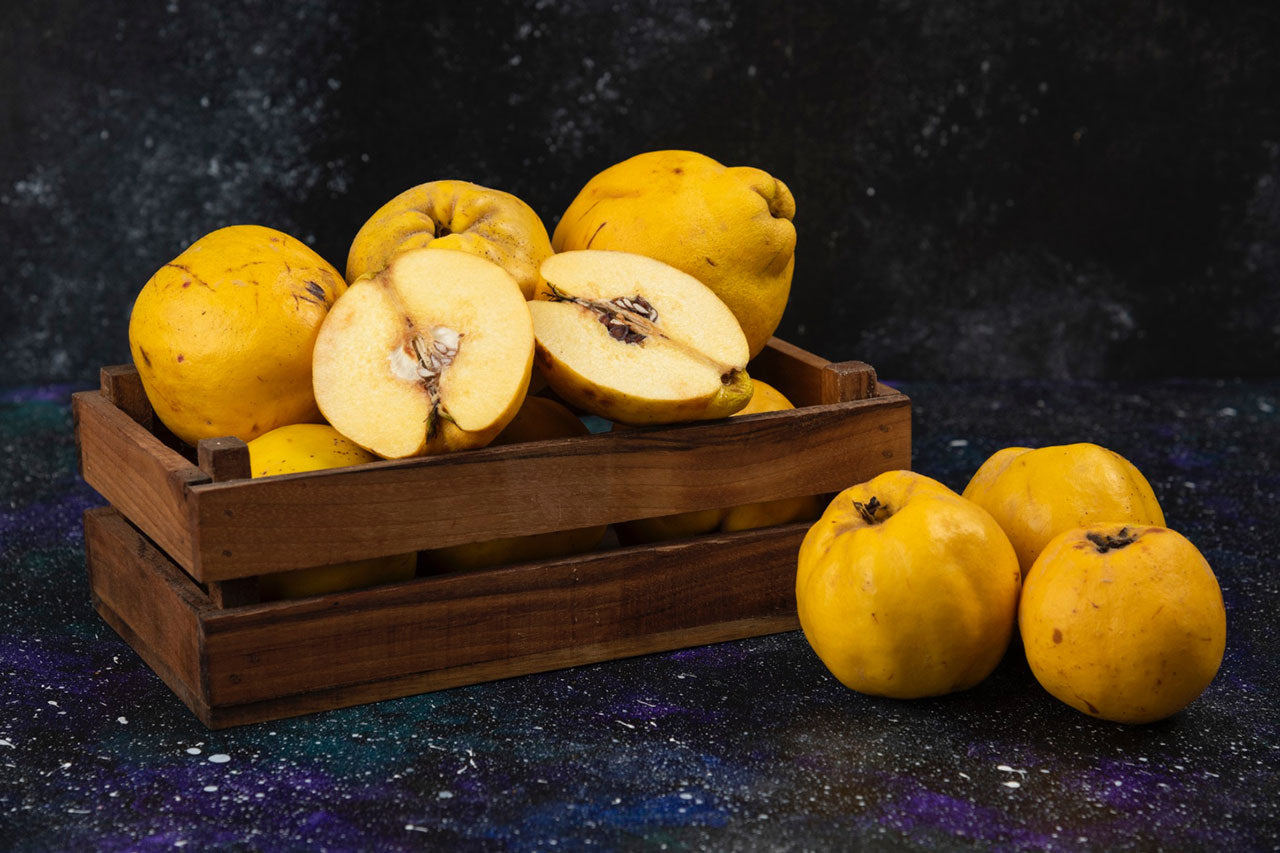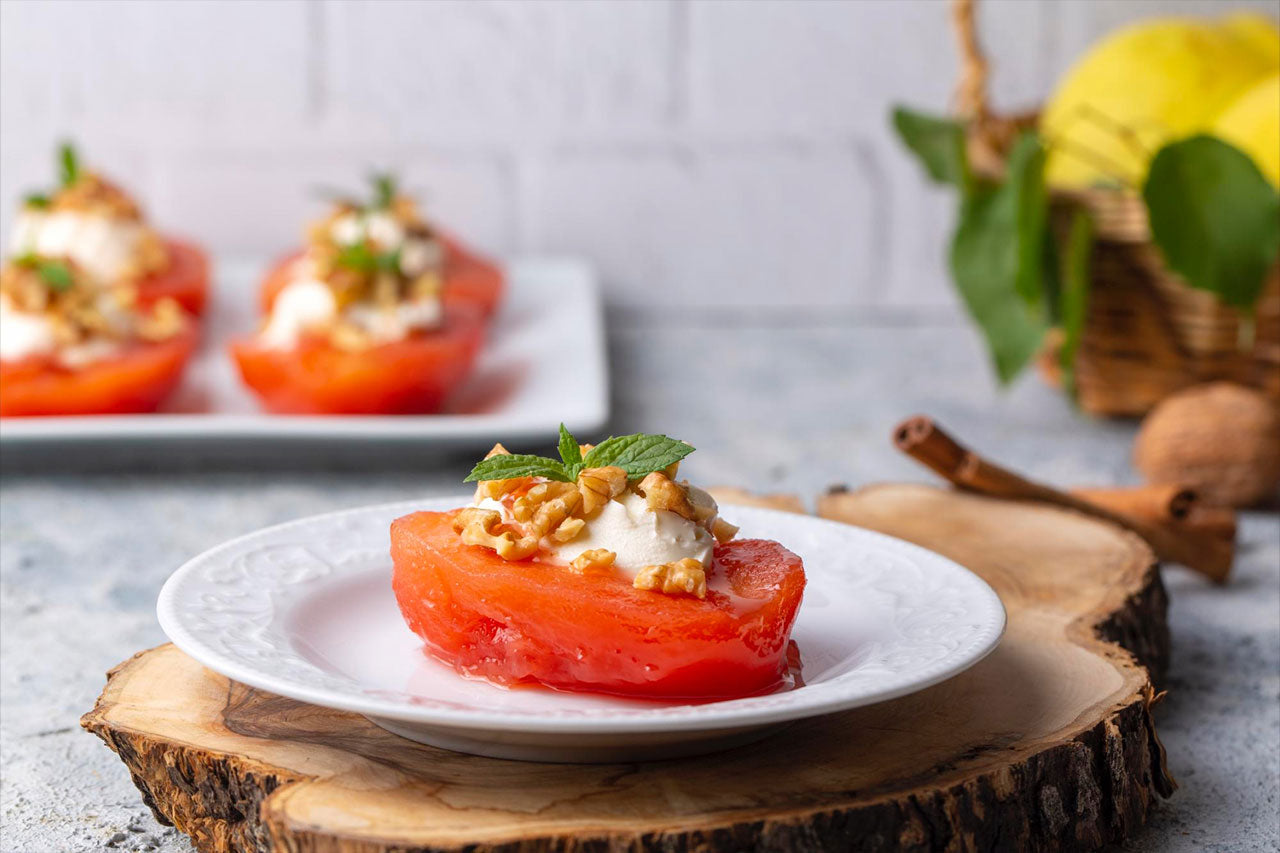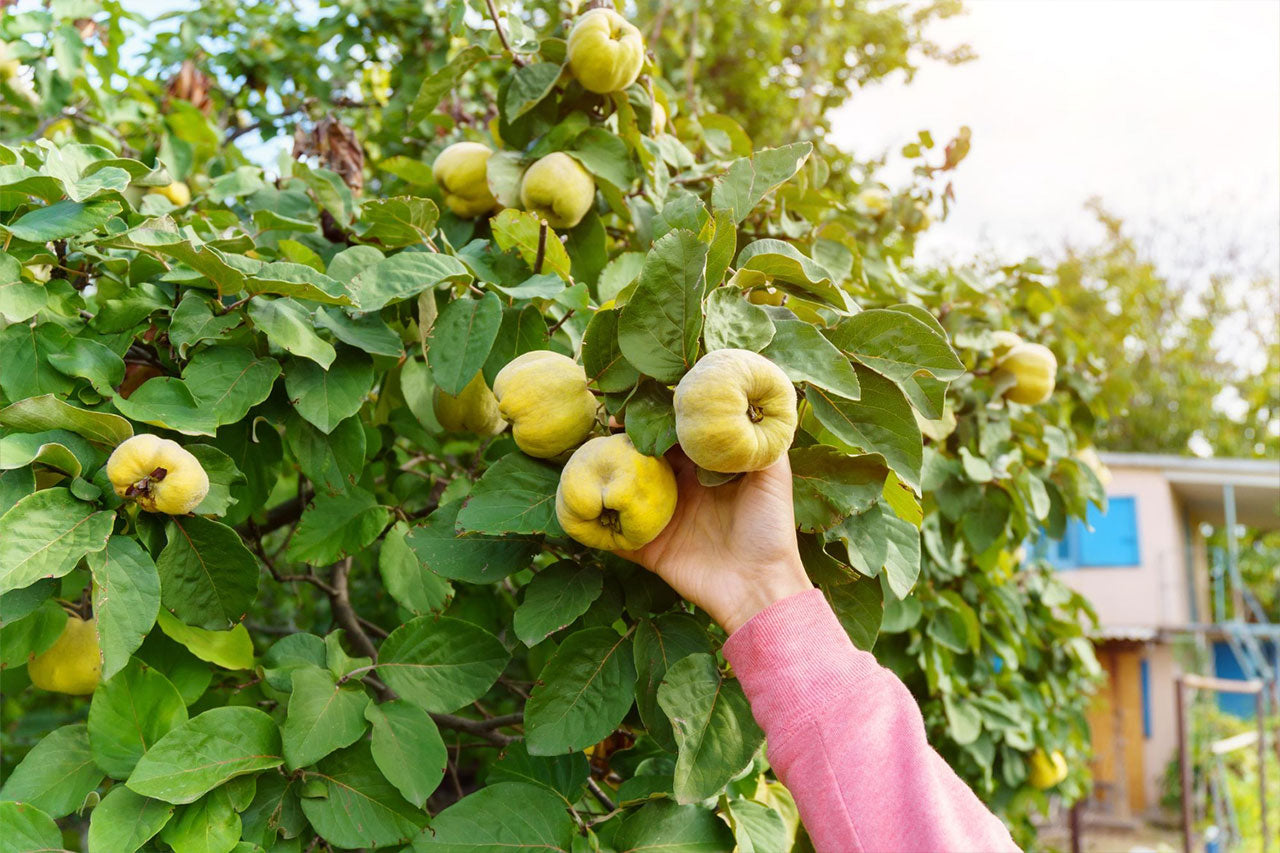

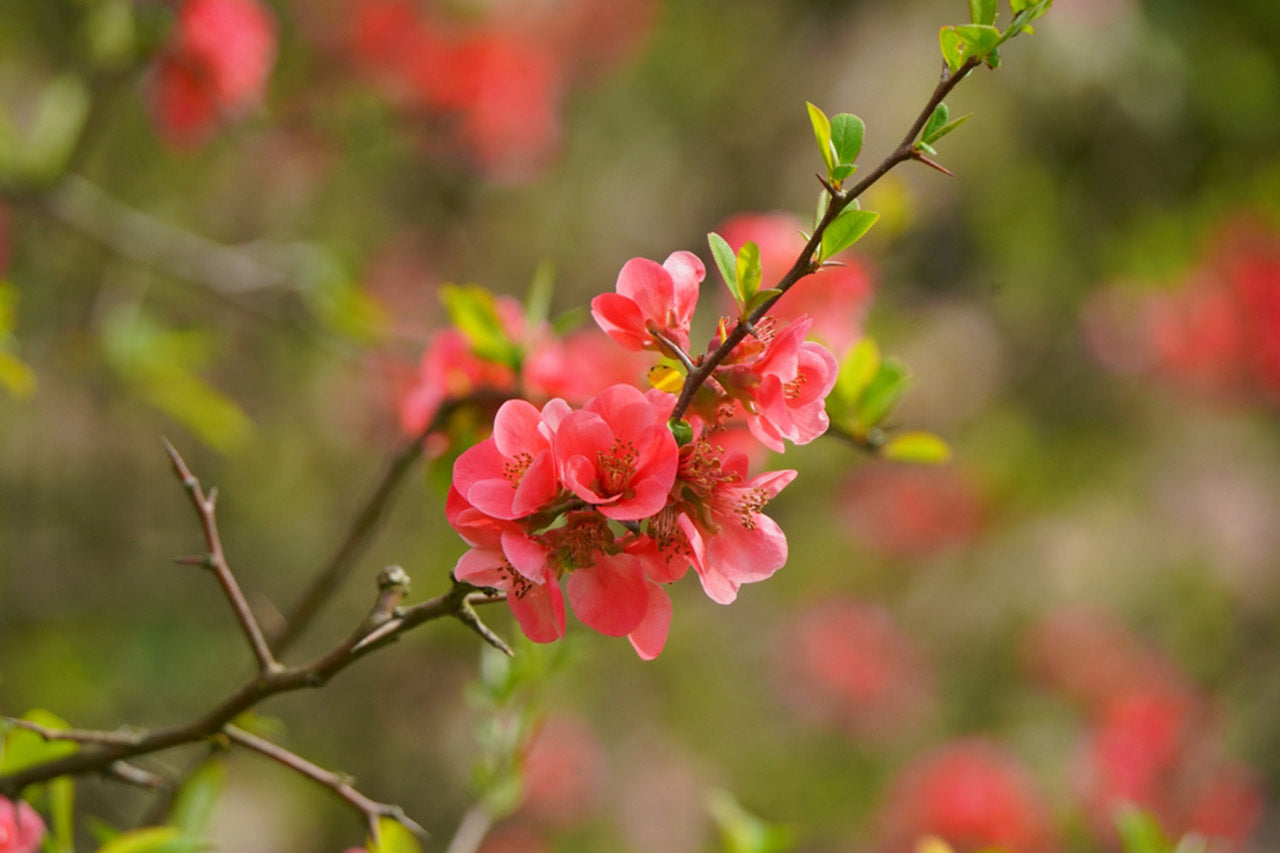
Quince blossom has a softness that feels a bit more special than many fruit trees — often a warm, shell-pink, appearing in late spring when the weather is kinder and bees are properly on the move. It sits beautifully against the fresh green leaves, making the tree look ornamental even if you never picked a single fruit. In a UK garden, that timing is useful too: later blossom can dodge some of the worst late frosts, so you often get a steadier show and a better chance of fruit set in sheltered spots.
Common name: Quince.
Latin name: Cydonia oblonga.
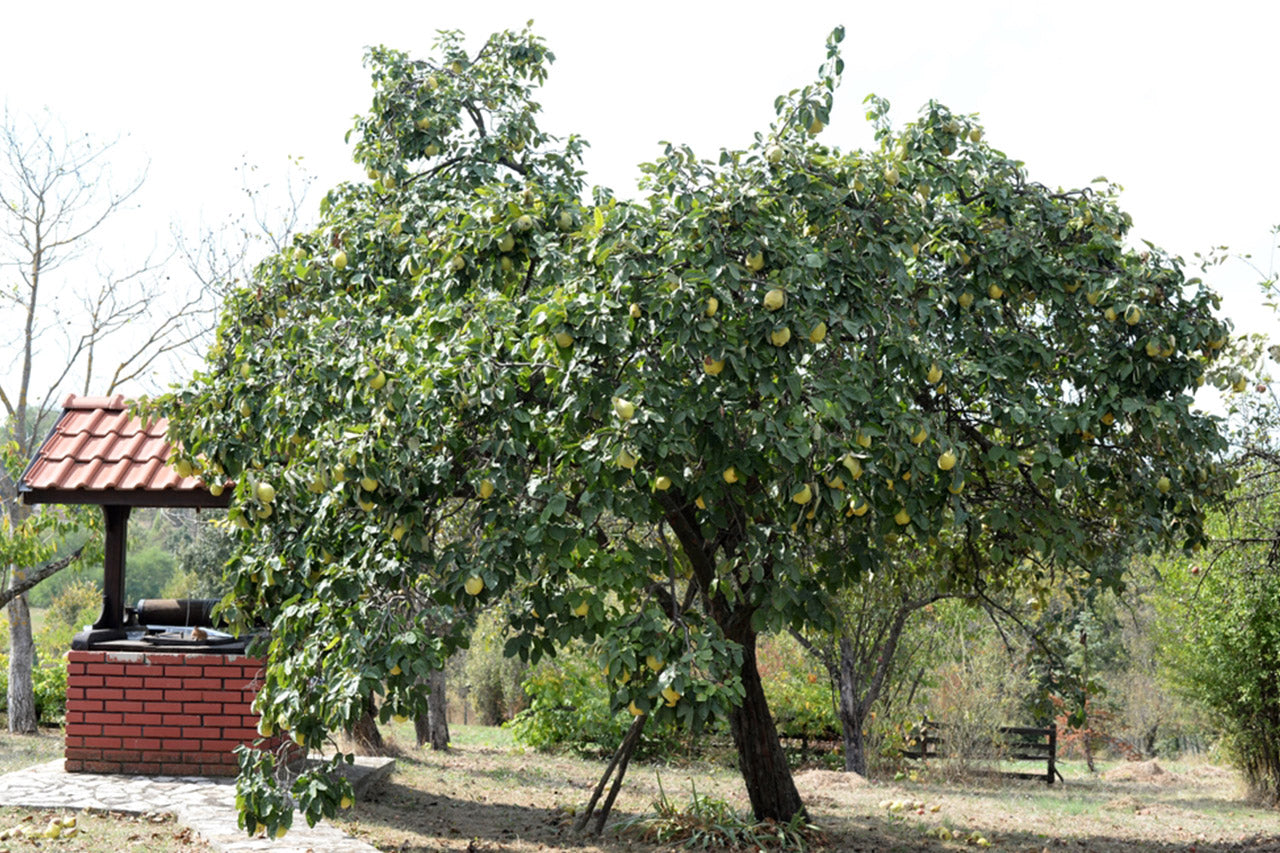
Size in UK gardens: Typically around 3–5m, depending on age, training and conditions; often stays comfortably “garden sized”.
Best position: Full sun in a sheltered spot for best flowering and fruit ripening.
Soil: Fertile, moisture-retentive but well-drained soil; dislikes prolonged winter wet.
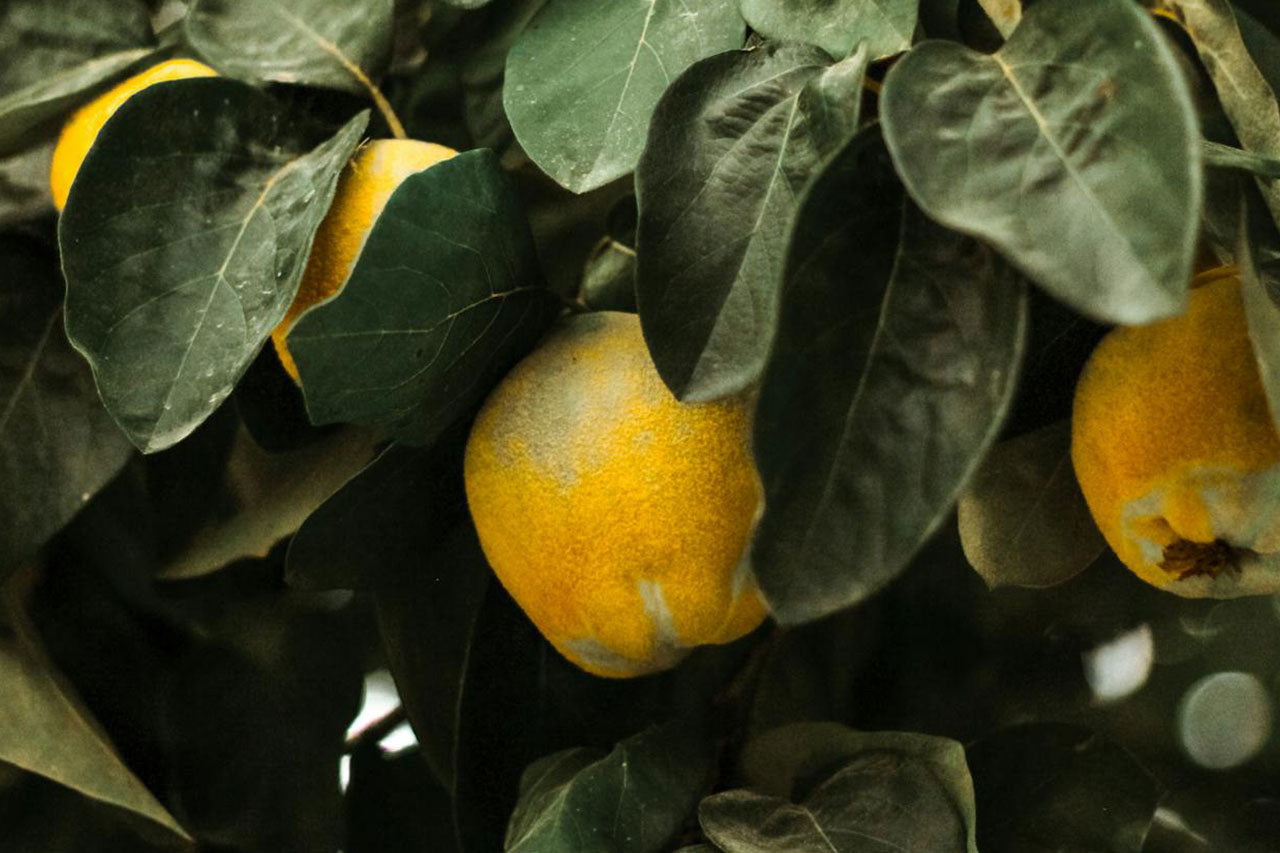
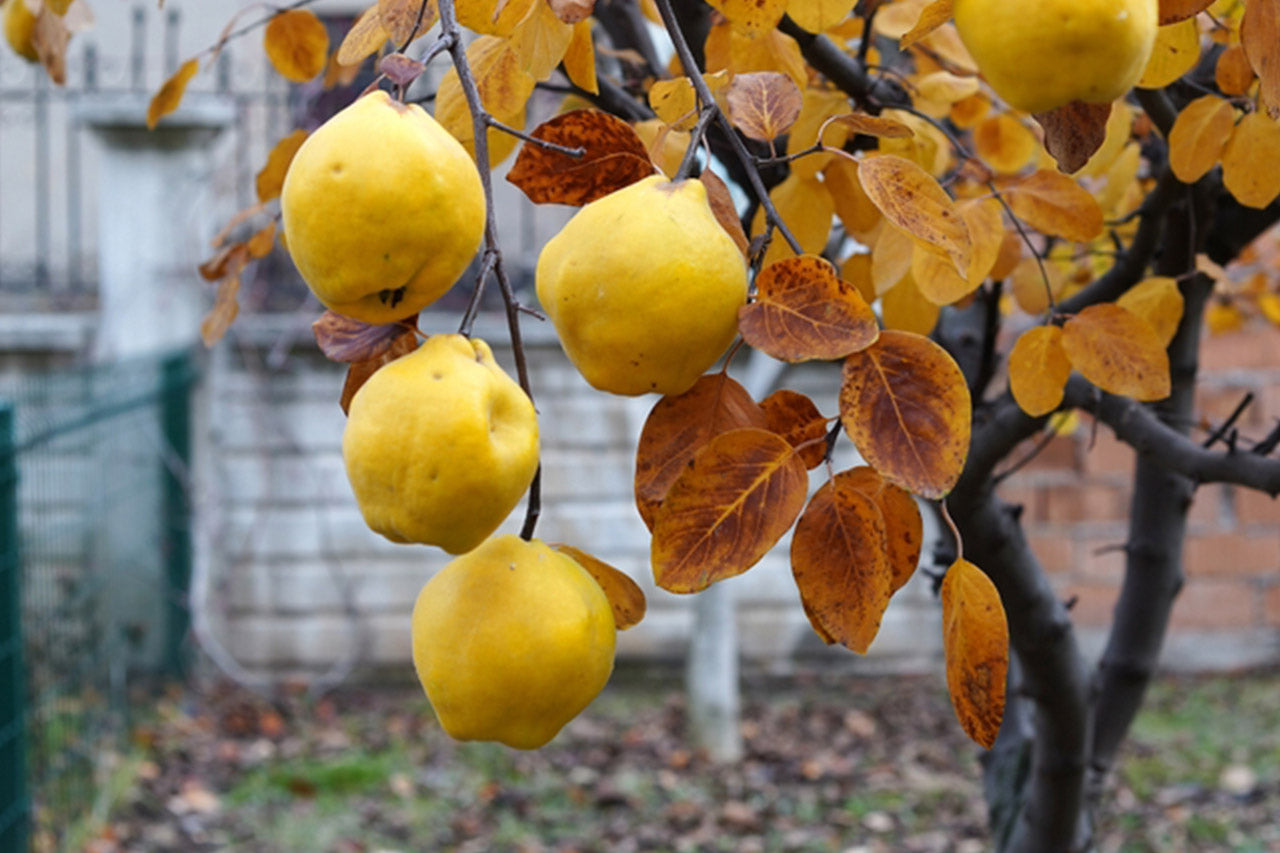
Main interest: Late spring blossom and autumn fruits with wonderful fragrance; attractive foliage through summer.
Fragrance: Fruits become strongly scented as they ripen; flowers are lightly scented, if at all.
Hardiness: Hardy in the UK; fruiting is best in warm, sunny sites.
Care level: Moderate – generally straightforward with sensible watering and light pruning.

The Simpson’s team raises the majority of our trees here at the nursery. For varieties outside our own production, we work with independent local growers we trust - all chosen for UK climate suitability.
Planting time: As container-grown trees, quinces can be planted in most months when the ground isn’t frozen or waterlogged; spring and autumn are usually easiest.
Watering: Water well in the first 1–2 seasons and in dry spells while fruit is swelling; quince prefers steady moisture rather than boom-and-bust dryness.
Feeding: Mulch in spring with compost or well-rotted manure; a light balanced feed can help if growth is slow.
Pruning: Generally light pruning to shape and thin; remove crossing or congested branches to keep air moving.
Winter: Hardy once established; shelter and mulch help with fruiting reliability more than survival.
Availability is always changing, so please check with us if you have a particular variety in mind.


A wonderfully old-fashioned quince with a calm, orchard-worthy presence—broad leaves, a slightly rugged framework, and that lovely sense of permanence. In spring it carries soft, blush-pink blossom, then later comes the real reward: big, aromatic fruits that make the whole garden feel faintly Mediterranean when you catch their scent. A great choice if you like fruit trees that feel both useful and quietly ornamental.
A generous, no-fuss quince that feels made for keen cooks—reassuringly productive, with a sturdy, traditional outline. It brings that classic quince perfume and the promise of crumbles, jellies, and golden pans on the hob. Plant it somewhere sunny and it gives you that satisfying “proper orchard” feeling, even in an ordinary garden.
A quince with a slightly more refined, heritage character—handsome foliage, pretty spring flowers, and fruits that feel almost old-world and ceremonial when they colour up. There’s something very romantic about it: the blossom, the scent, and the way the fruit looks like it belongs in a bowl on a farmhouse table. Ideal if you want a quince that feels both productive and a little bit storied.
A bright, cheerful quince that earns its name—fruits ripening to a rich, warm yellow that look positively glowing against the leaves. It has a neat, composed habit and a confident, “I’m going to do well here” feel in the right spot. A lovely pick when you want quince fragrance and harvest, with an extra sunny, golden finish.

A big-hearted quince with a bold presence—often chosen for those impressive, substantial fruits that feel wonderfully generous in the hand. It reads as classic and robust, with blossom that’s pretty rather than fussy, and a framework that looks increasingly characterful as it matures. A great choice when you want the full quince experience: scent, heft, and that deep, kitchen-garden satisfaction.