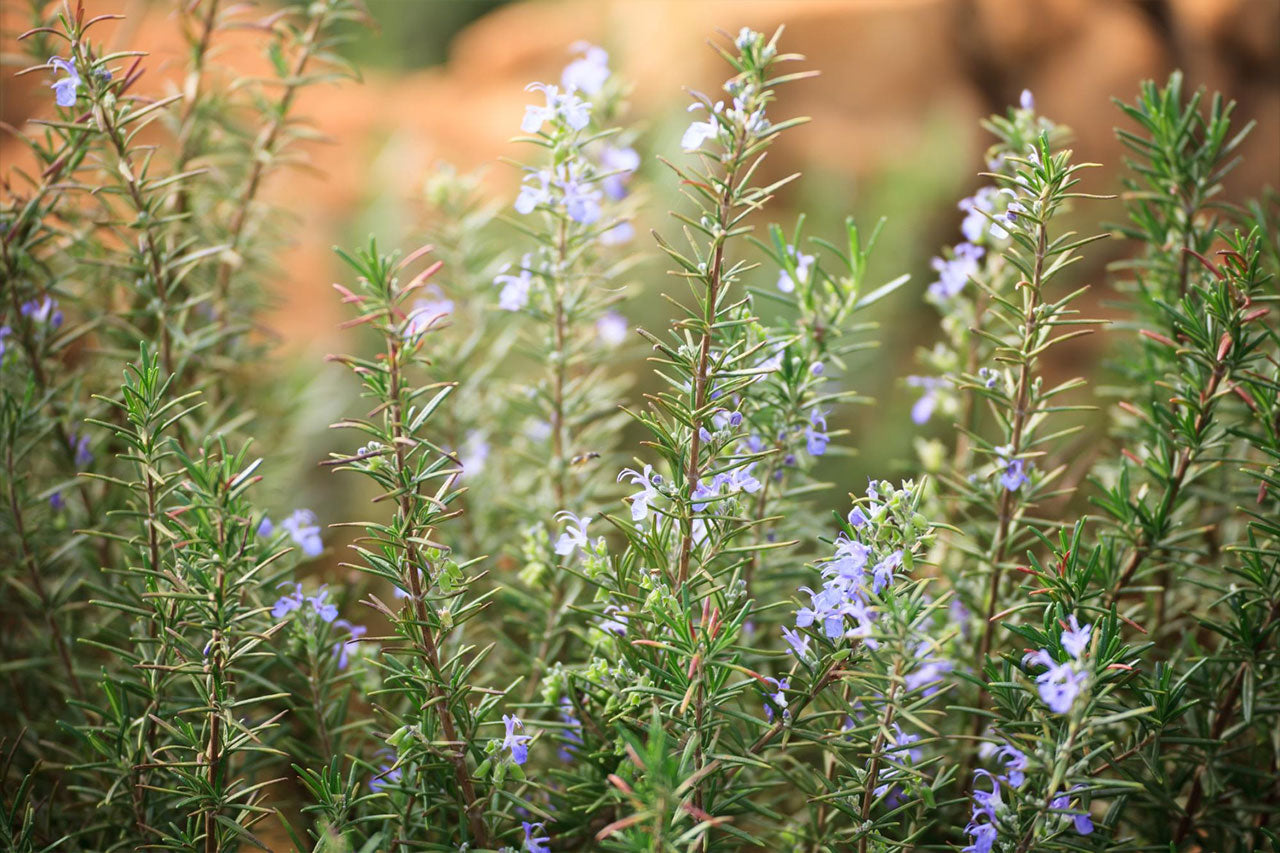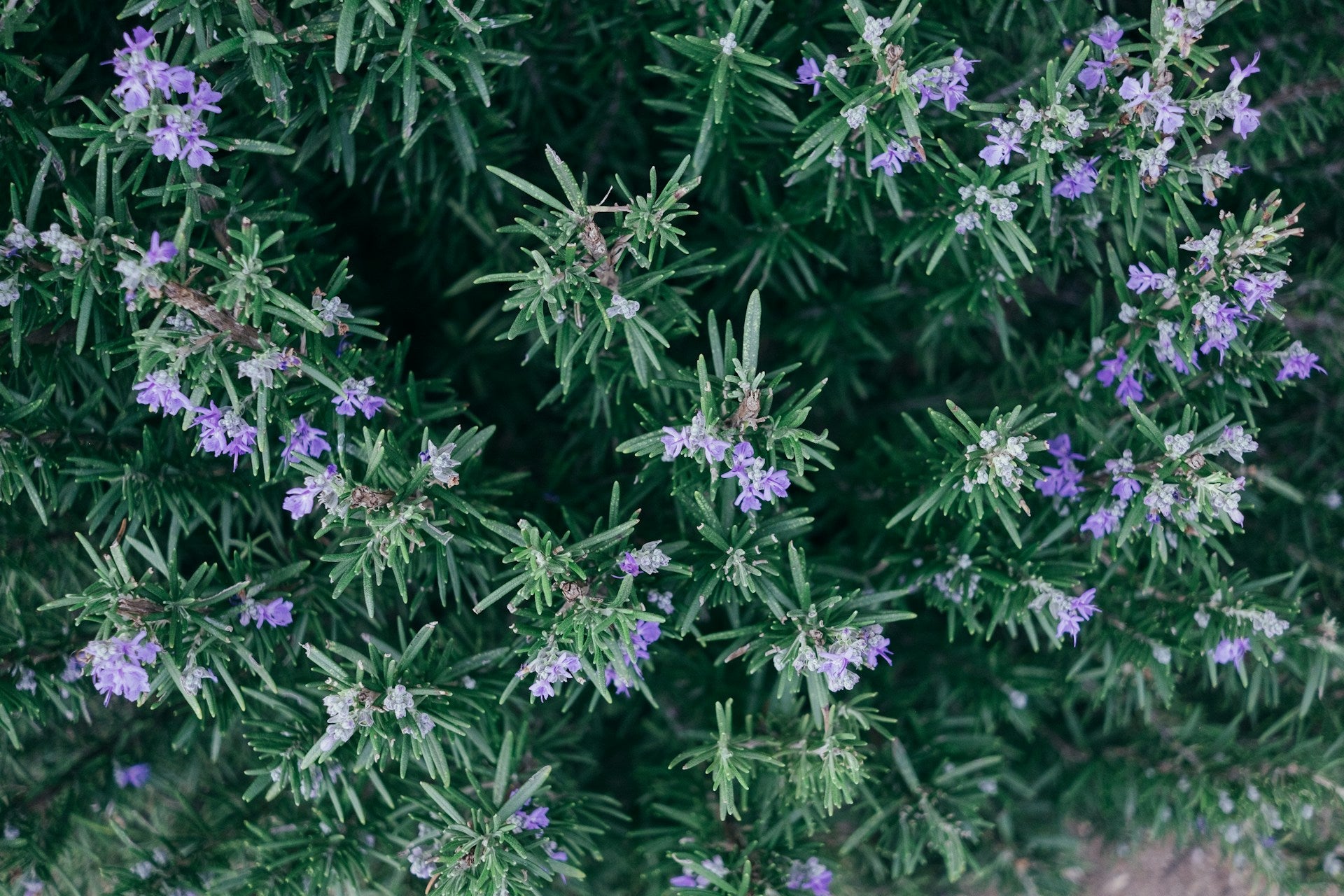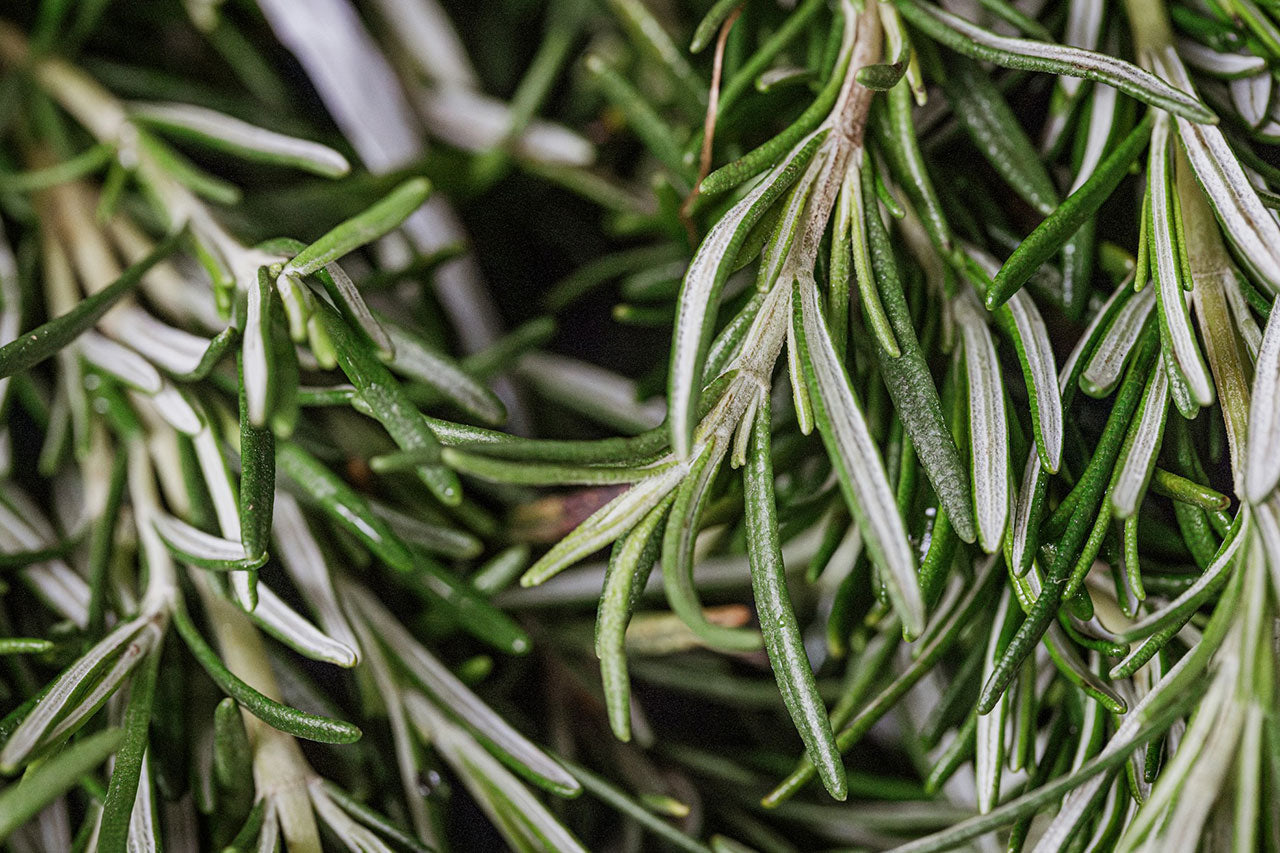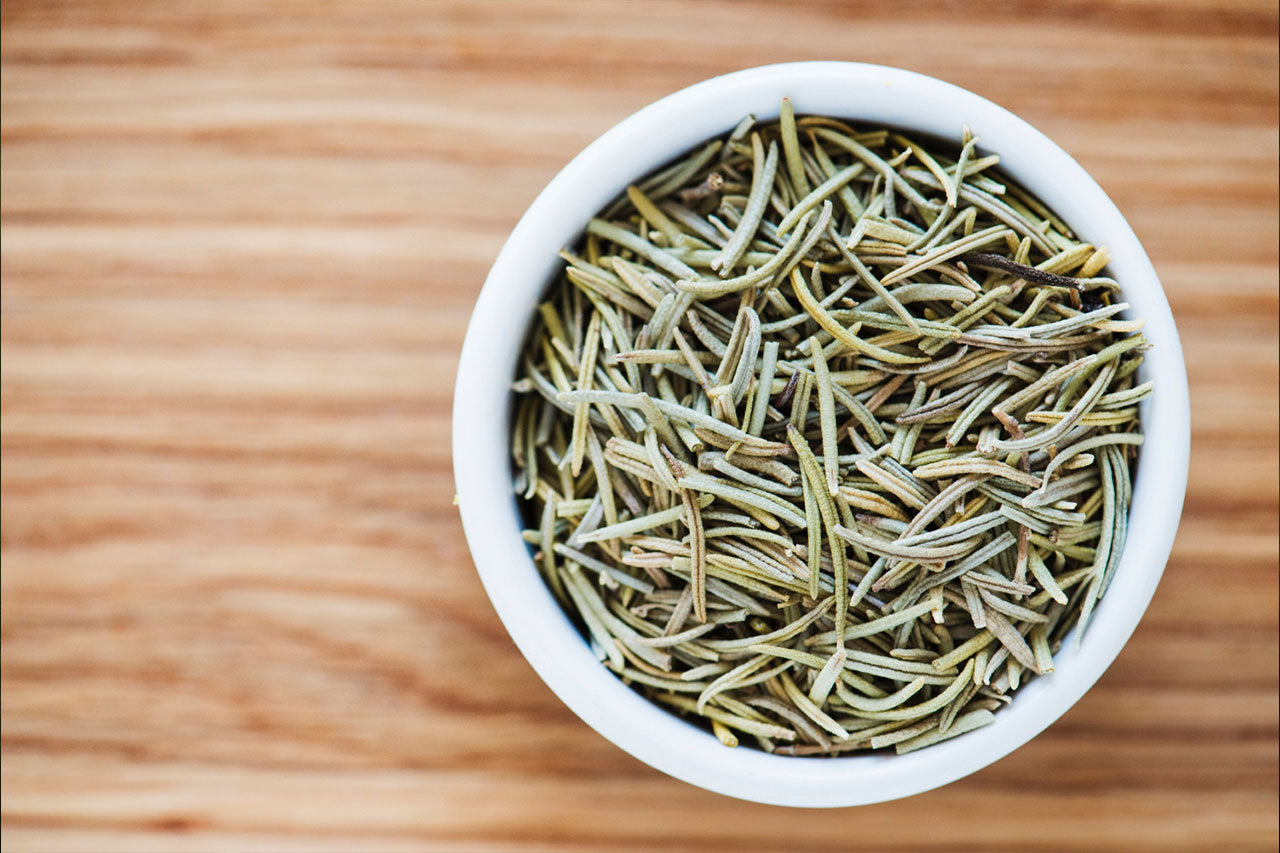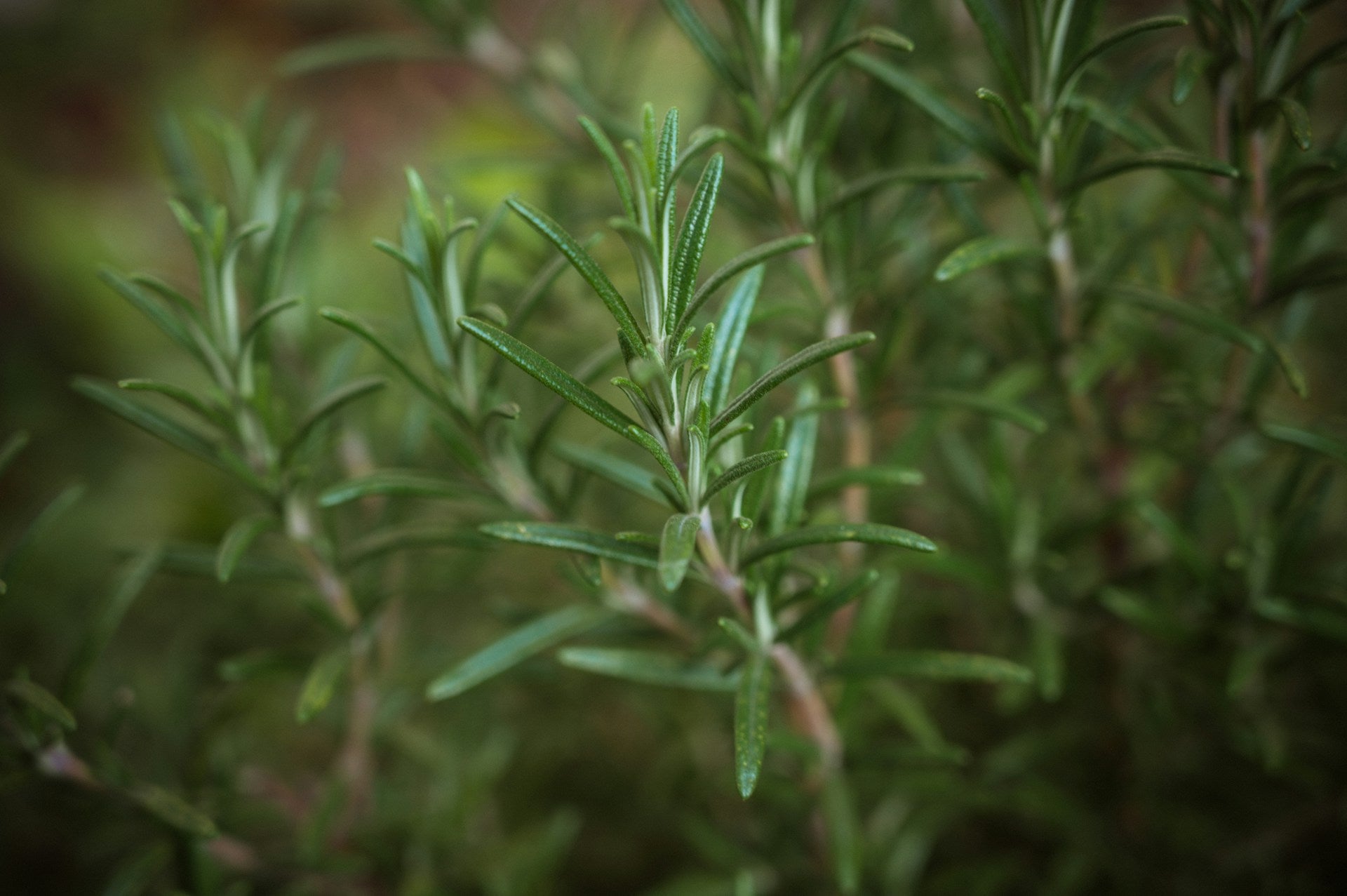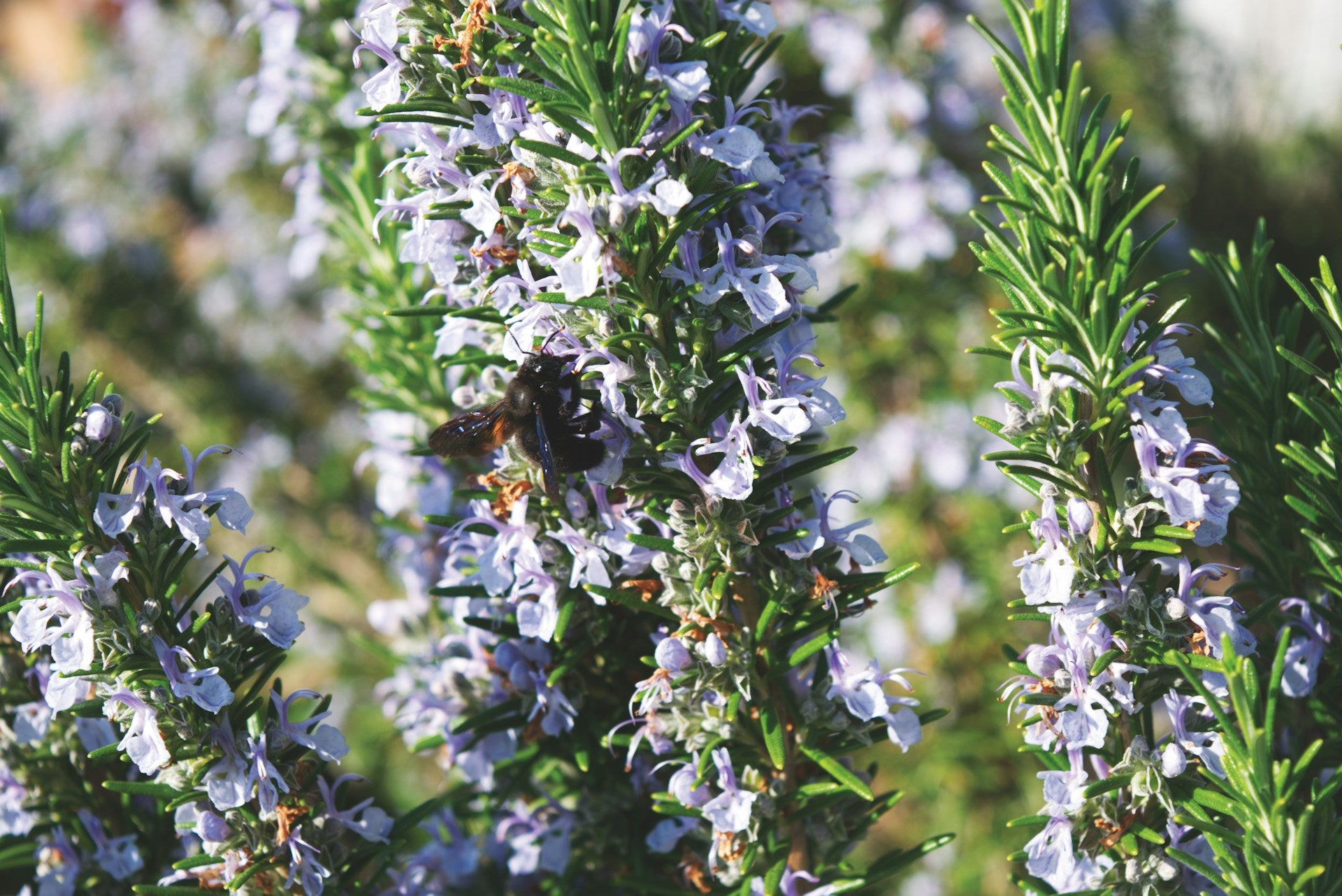

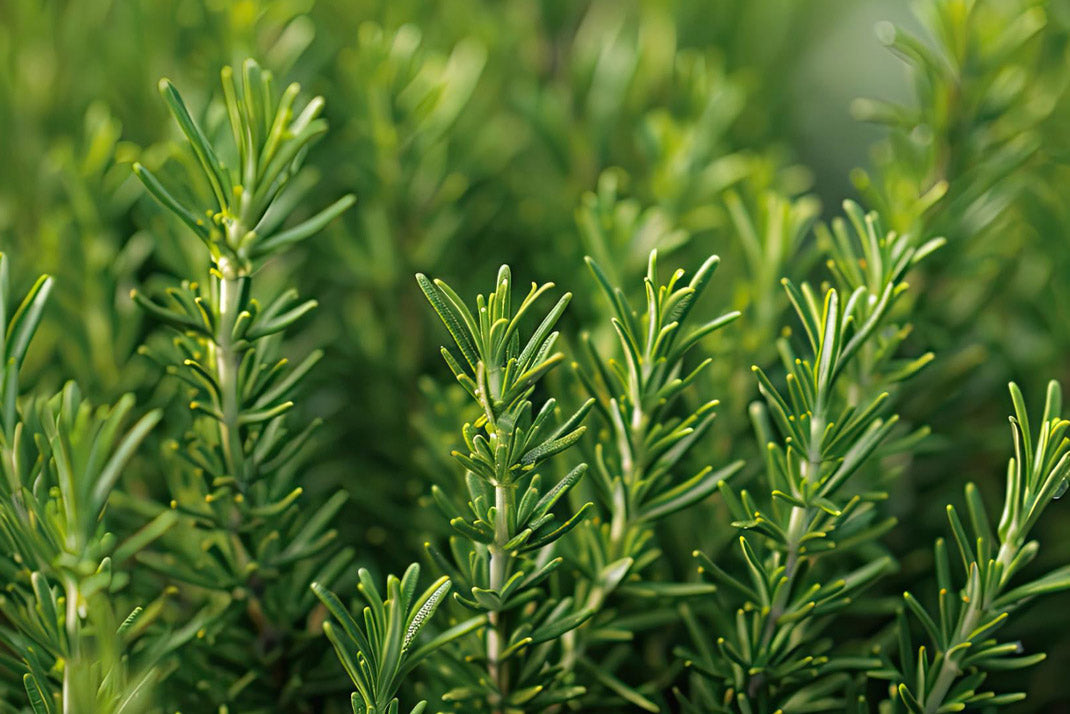
Rosemary is one of those plants that earns its keep every single month. The narrow, evergreen leaves hold a clean, resinous scent that’s released with the lightest touch, and a small plant can supply plenty for cooking without ever looking “harvested”. It’s as happy in a border as it is in a pot by the door, so you can pinch a few sprigs on the way past. In winter, when so many herbs disappear, rosemary stays right there — green, neat, and ready — which makes the whole garden feel that bit more lived‑in and cared for.
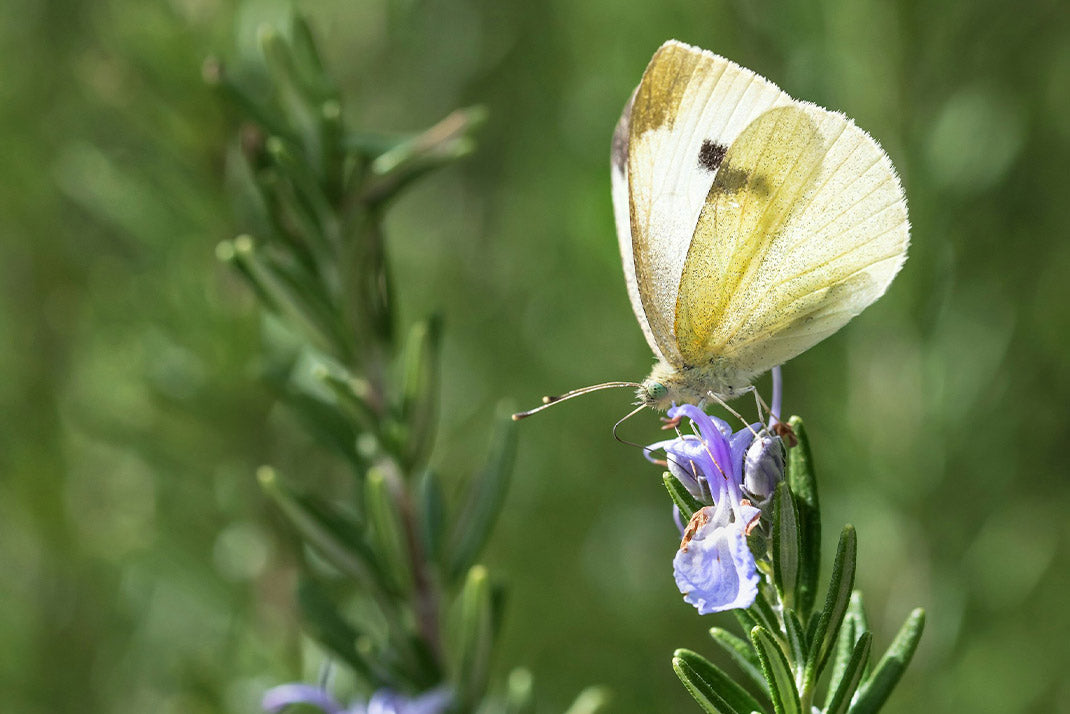
Common name: Rosemary.
Latin name: Salvia rosmarinus (often still labelled Rosmarinus officinalis).
Size in UK gardens: Commonly 60–120cm tall and wide, though some varieties stay compact and others can reach 1.5m+ in a sheltered spot.
Best position: Full sun, ideally with a little shelter from the coldest winds.
Soil: Well‑drained soil; happy on poor to moderately fertile ground, including chalky soils, but dislikes winter waterlogging.
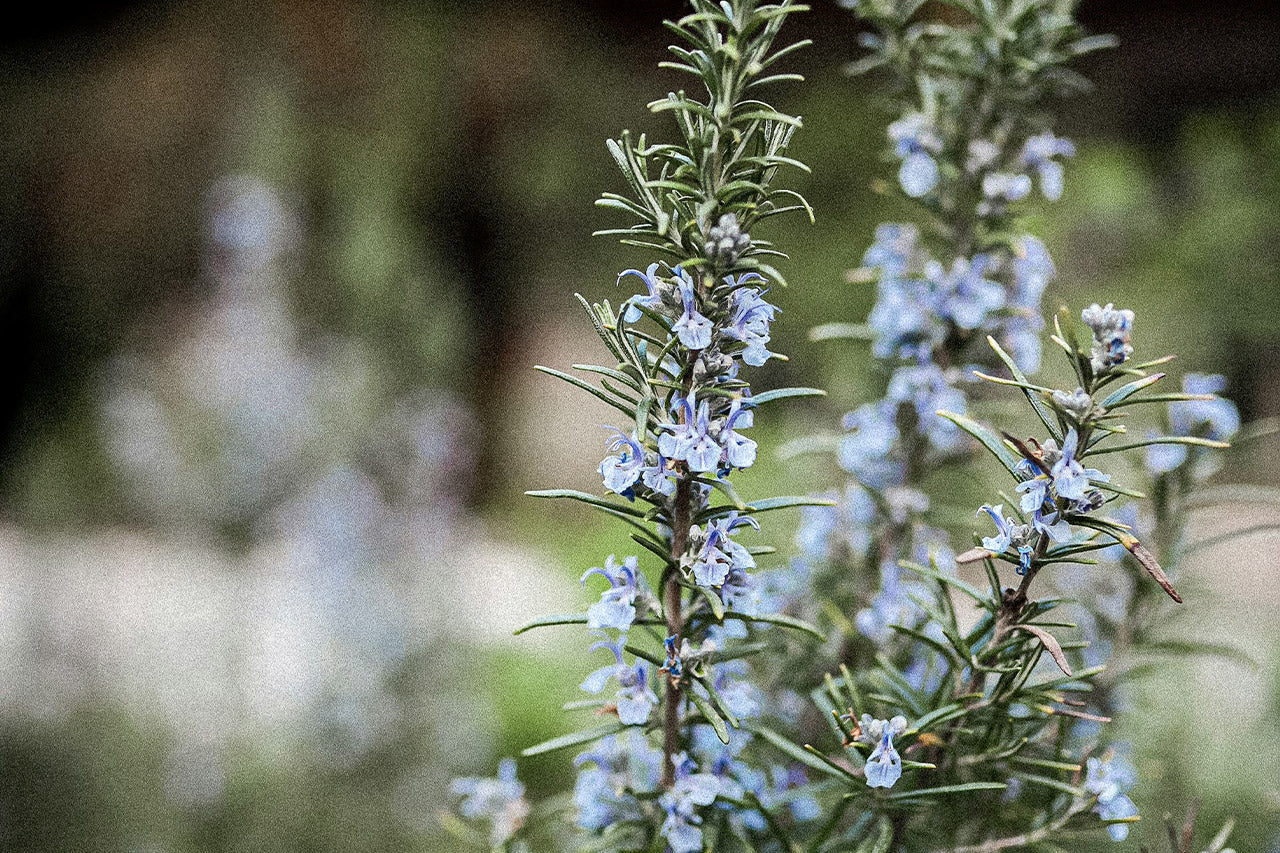
Flowering time: Often late winter to spring, with possible repeat flowering later in summer or early autumn in mild years.
Fragrance: Strongly aromatic foliage, especially in warm sun or when brushed.
Hardiness: Generally hardy in much of the UK if drainage is good; can suffer in severe cold, especially on wet soil or in exposed sites.
Care level: Low to moderate – easy with sun and drainage, plus a light trim to keep it bushy.

The Simpson’s team raises the majority of our trees here at the nursery. For varieties outside our own production, we work with independent local growers we trust - all chosen for UK climate suitability.
Planting time: As container‑grown plants, rosemary can be planted in most months when the soil isn’t frozen or waterlogged; spring and early autumn are usually easiest.
Watering: Water regularly for the first season; once established in the ground, rosemary is fairly drought‑tolerant, but pots will need more frequent watering in summer.
Feeding: Keep feeding light – a spring mulch is usually enough; too much fertiliser can make growth soft and less hardy.
Pruning: Lightly trim after flowering or in late spring/summer to keep it bushy; avoid cutting hard into old, leafless wood.
Winter: Good drainage is the secret; in colder, exposed gardens, protect young plants from icy wind and keep containers out of waterlogged conditions.
Availability is always changing, so please check with us if you have a particular variety in mind.
A true garden staple—evergreen, aromatic and wonderfully useful, with needle-like leaves that release that unmistakable scent the moment you brush past. Perfect for sunny borders, pots and herb beds, it brings year-round structure and often a welcome flush of blue flowers that bees adore.
A handsome, upright rosemary that forms a neat, vertical shrub—ideal when you want structure as well as fragrance. Brilliant in sunny borders and large pots, and very useful near paths where you’ll catch the scent. It’s a great choice for creating a low, informal hedge with a smart, tidy look.
All the charm and fragrance of rosemary, but with softer pink flowers that bring a gentler, more romantic note. Beautiful in pots near a doorway or in a sunny border edge, where the colour can be appreciated up close. A lovely way to add a twist to herb planting while keeping it useful and evergreen.
A trailing rosemary that spills gracefully, smothering itself in blue flowers in season and looking superb tumbling from pots and raised beds. Perfect for softening walls and edges, it brings evergreen structure and that wonderful scent, with flowers that draw bees in whenever the weather is warm.
A low, spreading rosemary that forms an aromatic evergreen carpet—ideal for banks, edging, and spilling over walls. It’s excellent for sunny, free-draining spots where you want structure at ground level, and it often flowers freely, bringing a haze of blue that’s irresistible to pollinators.
A compact, tidy rosemary with a well-dressed habit—ideal for pots, small gardens and neat herb plantings. It offers year-round evergreen structure and that classic rosemary fragrance, with flowers adding a cheerful seasonal flourish. Perfect near steps and patios where you’ll enjoy it up close.