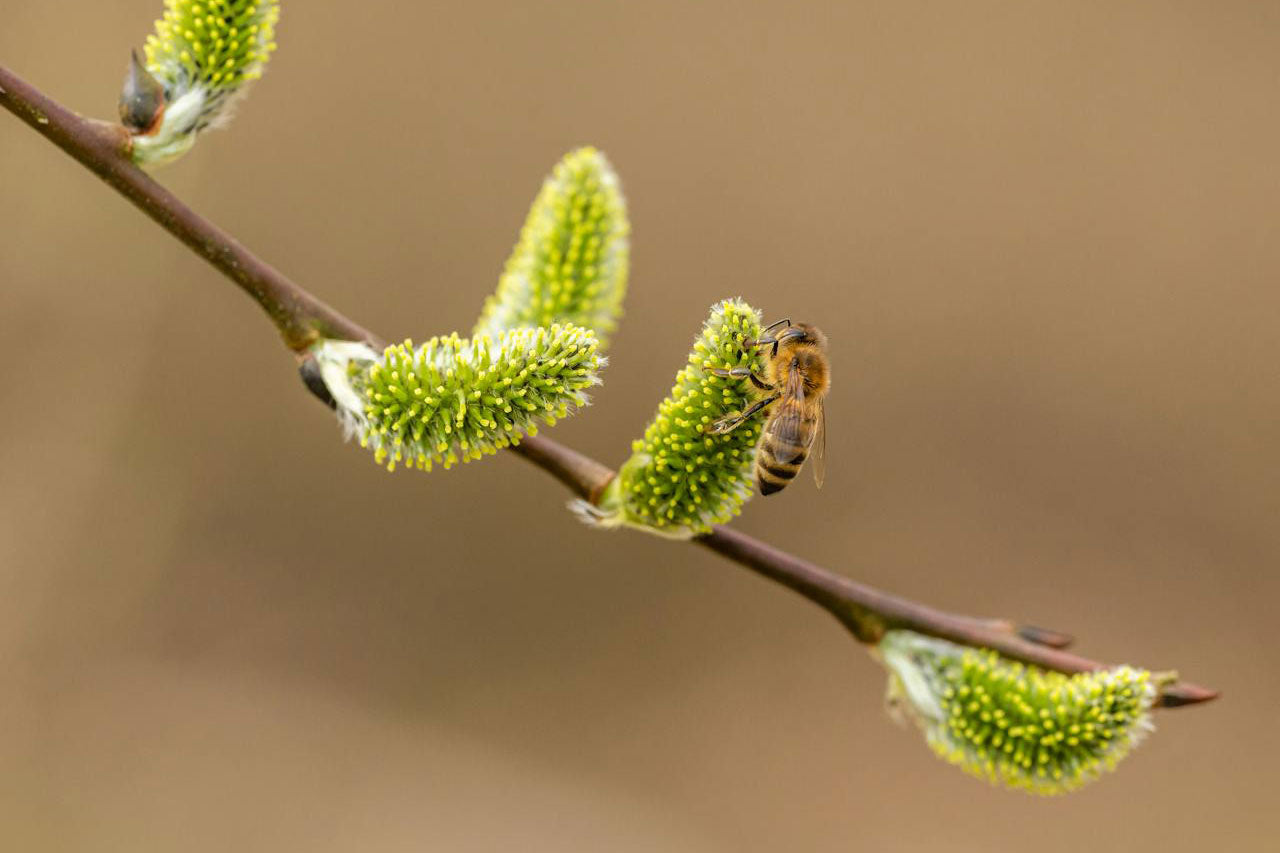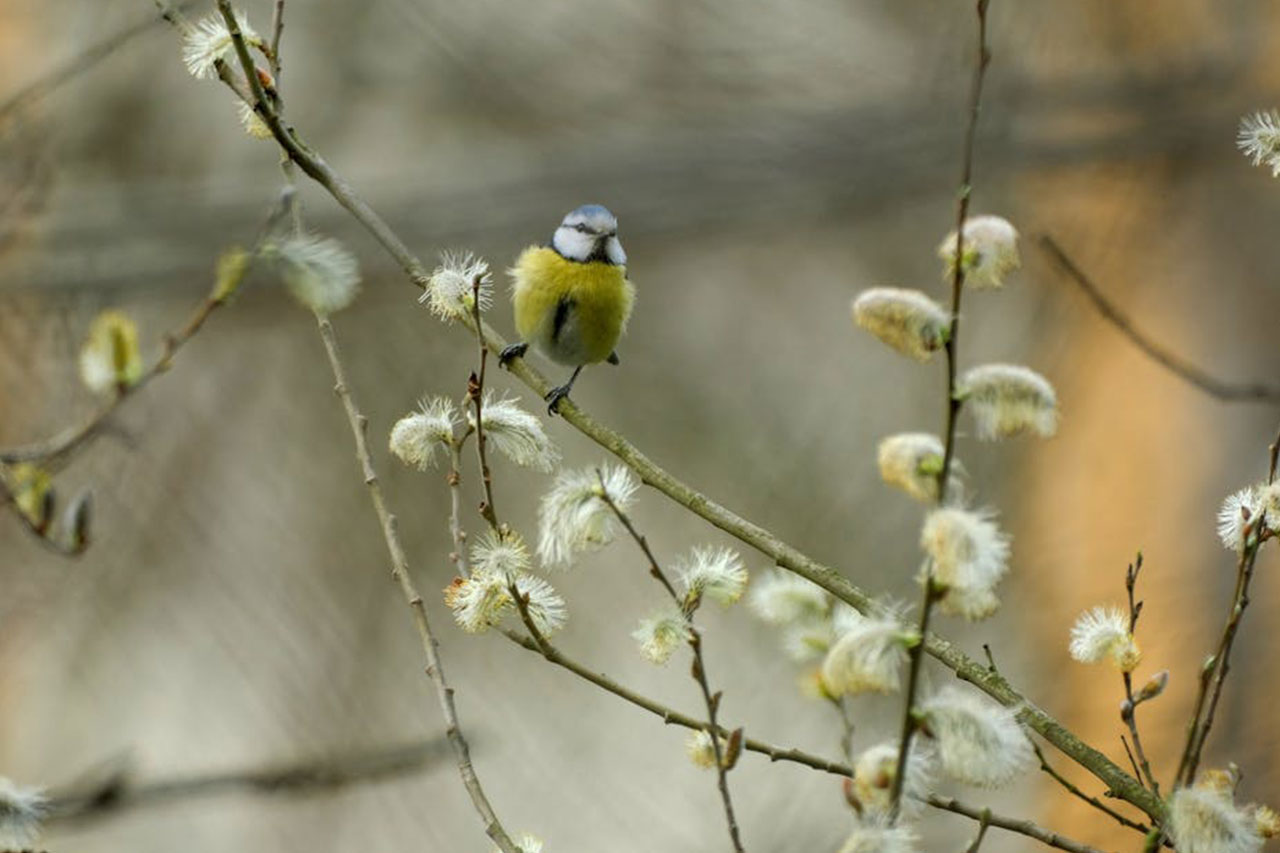

One of willow’s real delights is the way it wakes up so early. While many shrubs are still just bare twigs, pussy willows and coloured forms are already pushing out silky catkins that catch the light and the eye. On a bright March day, a catkin‑laden willow can buzz with bees and glow against a still‑wintry backdrop, giving you that sense that spring truly has its foot in the door. Even once the catkins fade, fresh new leaves follow quickly, so there’s hardly a dull moment.


Common name: Willow
Latin name: Salix
Size in UK gardens: Many ornamental willows for normal gardens make small trees or shrubs around 1.5–3m tall and wide; dwarf weeping forms like ‘Kilmarnock’ often top out at about 2–2.5m, while big weeping and white willows can eventually reach 10–25m in larger spaces.
Best position: Full sun or light dappled shade, ideally with soil that holds moisture but still drains reasonably well; smaller standards are happy in mixed borders, lawns or large pots, while big weepers prefer open ground by water.
Soil: Moderately fertile, average to moist soil suits most ornamental willows; many enjoy reliably damp ground and some tolerate waterlogged margins, but grafted patio forms prefer “moist but well‑drained” rather than boggy.
Flowering time: Catkins in late winter to early spring (especially pussy willows and flame‑pink forms like S. gracilistyla ‘Mount Aso’), with foliage and coloured stems providing interest through the rest of the year.
Fragrance: Catkins are not usually strongly scented, but they are rich in nectar and pollen and much loved by early bees; foliage is generally only faintly aromatic when crushed.
Hardiness: Most ornamental willows are fully hardy across the UK and will cope with severe winters once established, especially where the soil doesn’t freeze solid around young roots.
Care level: Generally easy – fast‑growing and forgiving, provided they have enough moisture and space; some shrubby forms benefit from regular coppicing, and all willows have vigorous root systems, so larger trees need thoughtful siting.

The Simpson’s team raises the majority of our trees here at the nursery. For varieties outside our own production, we work with independent local growers we trust - all chosen for UK climate suitability.
Planting time: As container‑grown plants, ornamental willows can be planted in most months when the soil isn’t frozen or waterlogged, with spring and early autumn usually giving the gentlest conditions for new roots to settle.
Watering: Keep the rootball evenly moist through the first growing season, especially for potted standards and willows on lighter soils. Once established in the ground, most forms cope well with ordinary summer dry spells but appreciate extra water in prolonged drought.
Feeding: In decent garden soil, willows rarely need feeding – a light mulch of compost or well‑rotted manure in spring is usually enough. Potted plants benefit from a slow‑release fertiliser in spring and a top‑up of fresh compost each year.
Pruning: Shrubby and coloured‑stemmed willows can be coppiced or cut back hard in late winter to keep them compact and colourful; compact standards are usually trimmed annually to maintain shape. Larger weeping trees need only light structural pruning, removing damaged or crossing branches.
Winter: Fully hardy in the ground once established, with bare branches simply biding their time. Potted standards appreciate shelter from the worst winter winds and a little root insulation; a mulch over the root area in borders helps protect soil structure and moisture levels.
Availability is always changing, so please check with us if you have a particular variety in mind.


The white willow has a classic, riverside elegance, with long, soft foliage that creates a shimmering canopy full of movement. The overall effect is relaxed and atmospheric, bringing that unmistakable willow grace to the landscape. A fine choice for larger spaces where you want a tree that feels natural and expressive.
Grown for its vivid winter stems, this willow brings a bright, warming splash of colour when the garden is bare. The stems glow beautifully in low light, making it an excellent feature in winter displays. A brilliant choice for adding seasonal drama and strong colour contrast.
A golden-stemmed willow that brings a sunny, uplifting look to the winter garden. The warm yellow shoots catch the light and look particularly striking against evergreens and dark fences. A fine way to add colour when flowers are scarce—bold, simple, and very effective.
The golden weeping willow, loved for its sweeping curtains of foliage and that romantic, cascading silhouette. It creates a soft, sheltering presence and looks wonderfully atmospheric near lawns and water. A classic statement tree when you want graceful drapery and a sense of movement in the landscape.


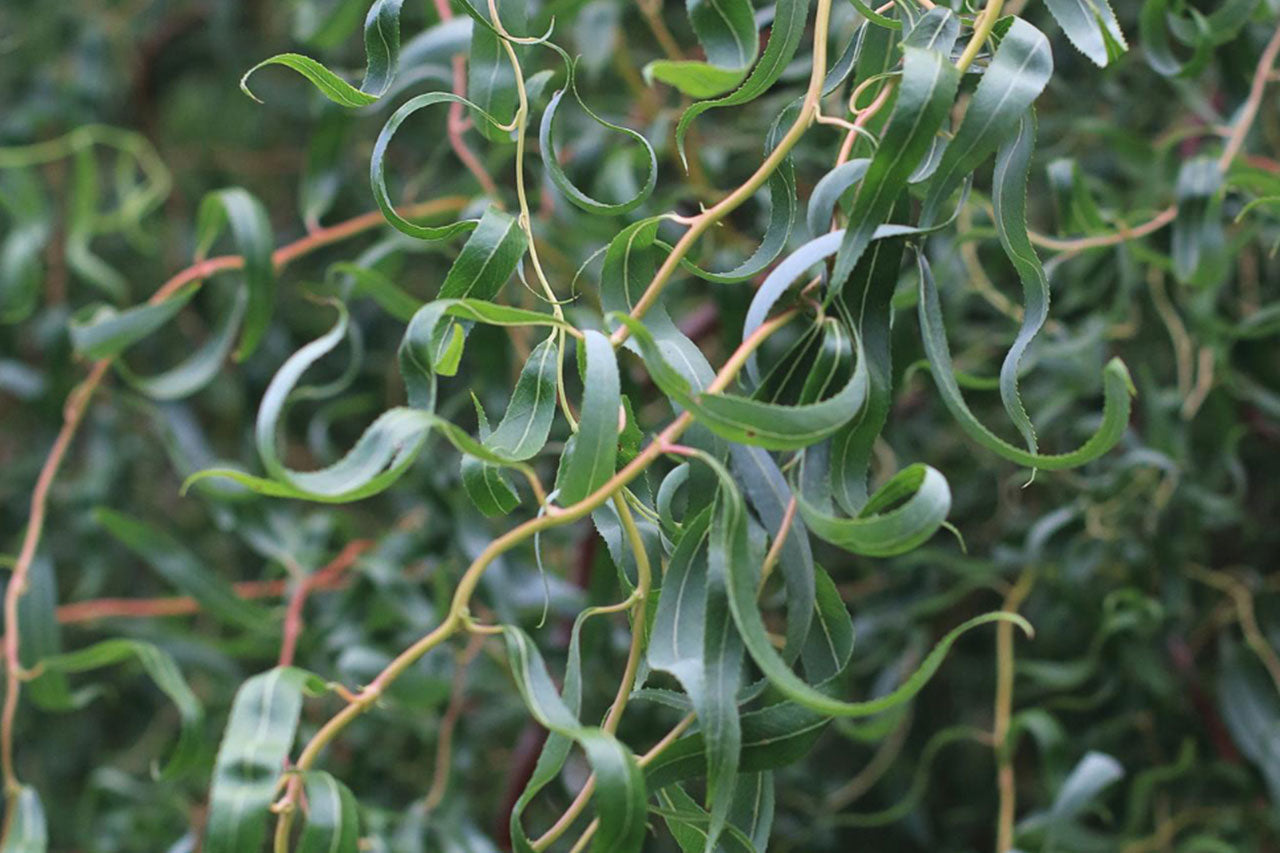
A willow with a playful twist—literally—its leaves and young stems curling and spiralling to create a wonderfully textural look. Even a single branch has real decorative value, and the whole plant feels full of character. A great choice when you want something eye-catching and a little different.
A striking willow with twisted, contorted stems that bring strong winter interest and a sculptural outline. The stems often show warm tones that catch the light beautifully, making it a natural feature plant. Ideal for gardens that enjoy bold structure and texture through the colder months.
The crack willow has a robust, natural presence, with long, flowing foliage that gives a classic willow look and plenty of movement. Its outline feels relaxed and informal, bringing a strong sense of landscape character. A good option for larger gardens where a tree can look convincingly “at home.”
A wonderfully decorative willow with foliage splashed in cream and green, often flushed pink on new growth—like a soft watercolour palette on the branches. It brings instant brightness and a gentle, modern prettiness. Perfect for adding light and colour contrast where you want something ornamental and uplifting.


The classic weeping pussy willow, forming a neat, umbrella-like head of cascading branches. In season it carries soft catkins that give a charming, traditional look, then follows with a graceful curtain of foliage. A lovely focal point for small gardens, patios, and lawn edges.
A dramatic willow with twisting, corkscrew stems that create a bold, sculptural silhouette. The shape is fascinating in winter and still full of character in leaf, with a lively, animated feel. A great choice when you want structure and movement—and a plant that always sparks conversation.