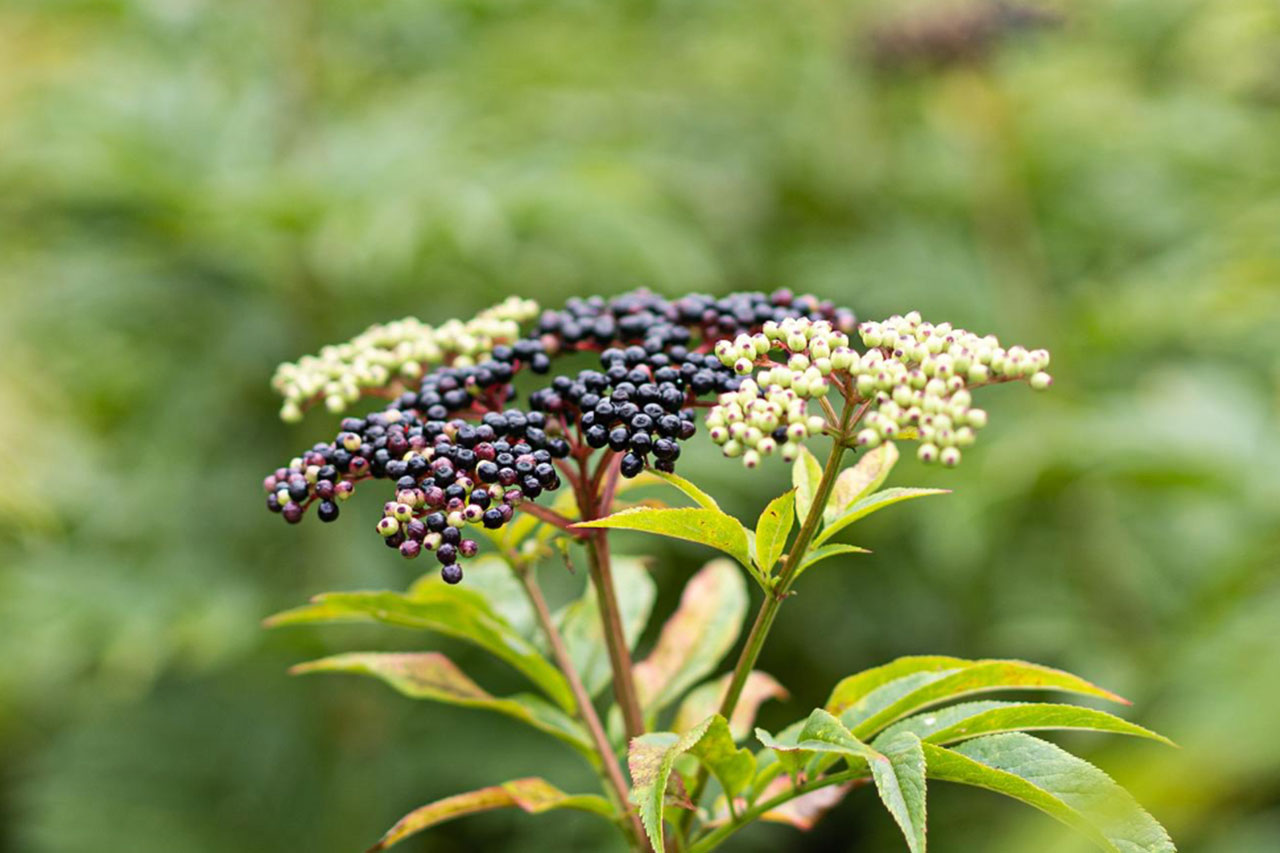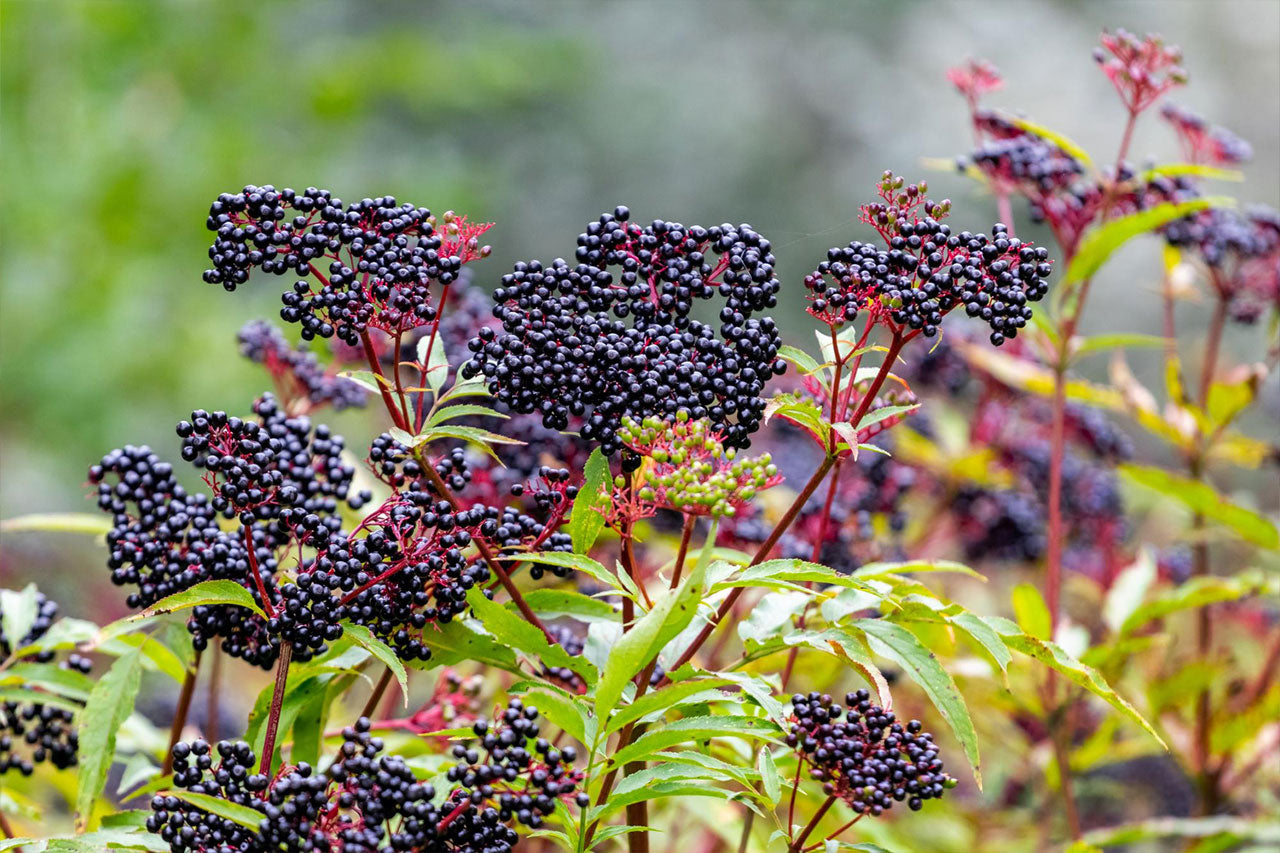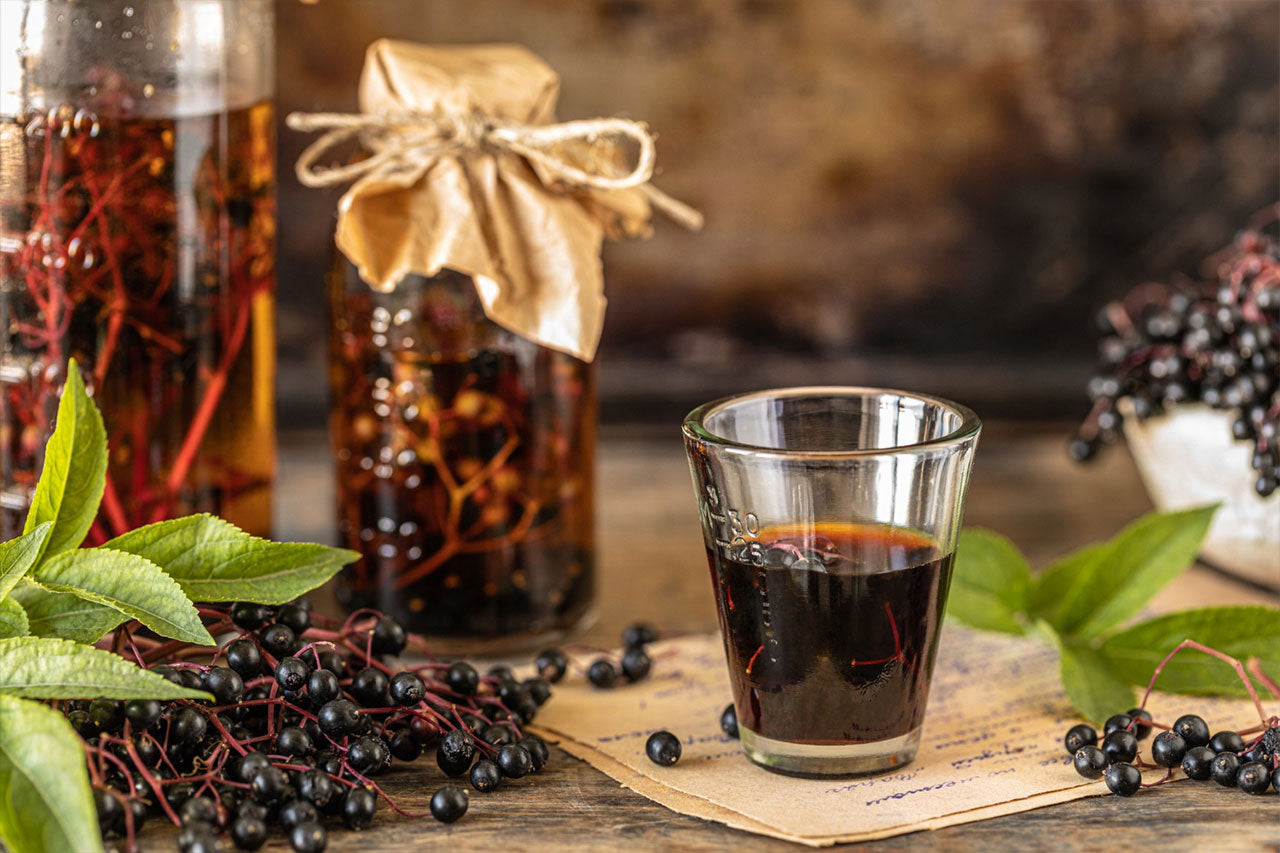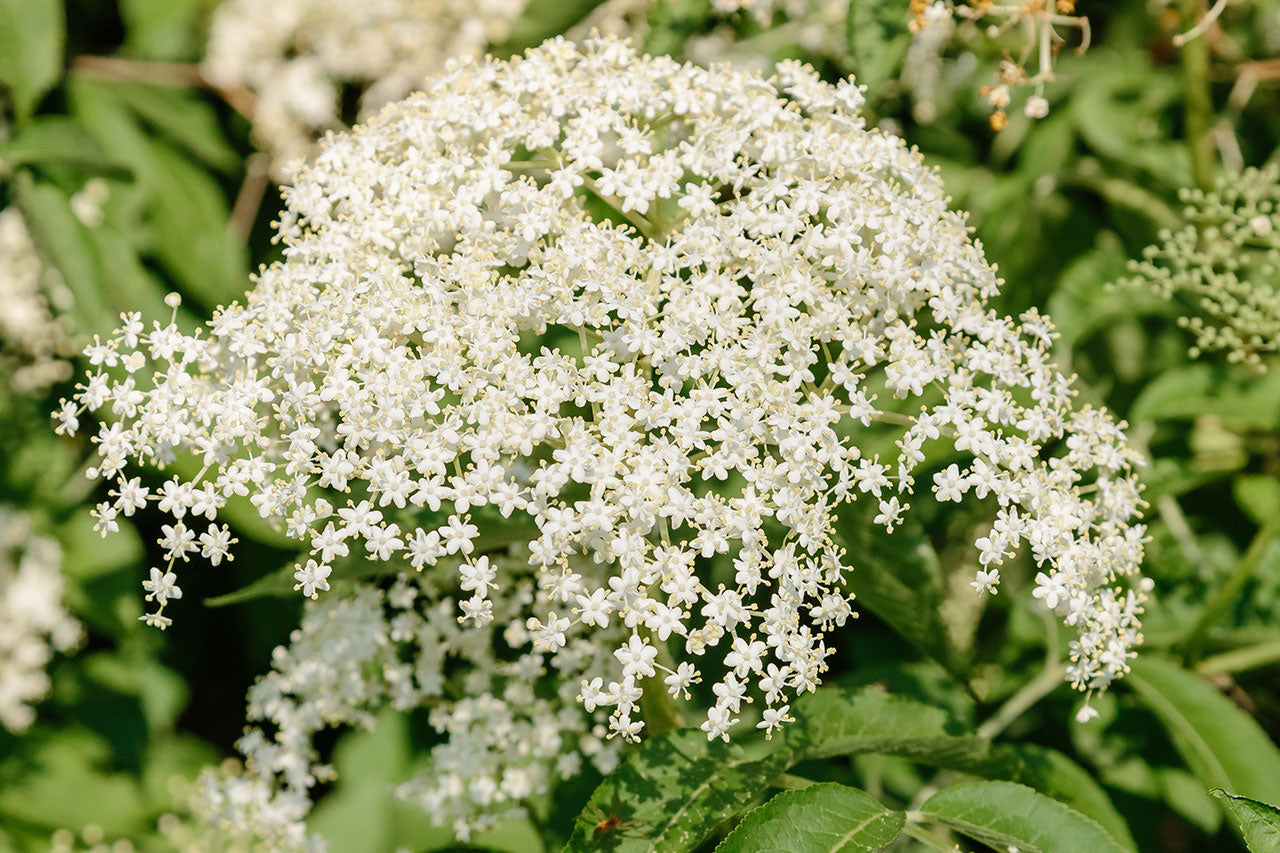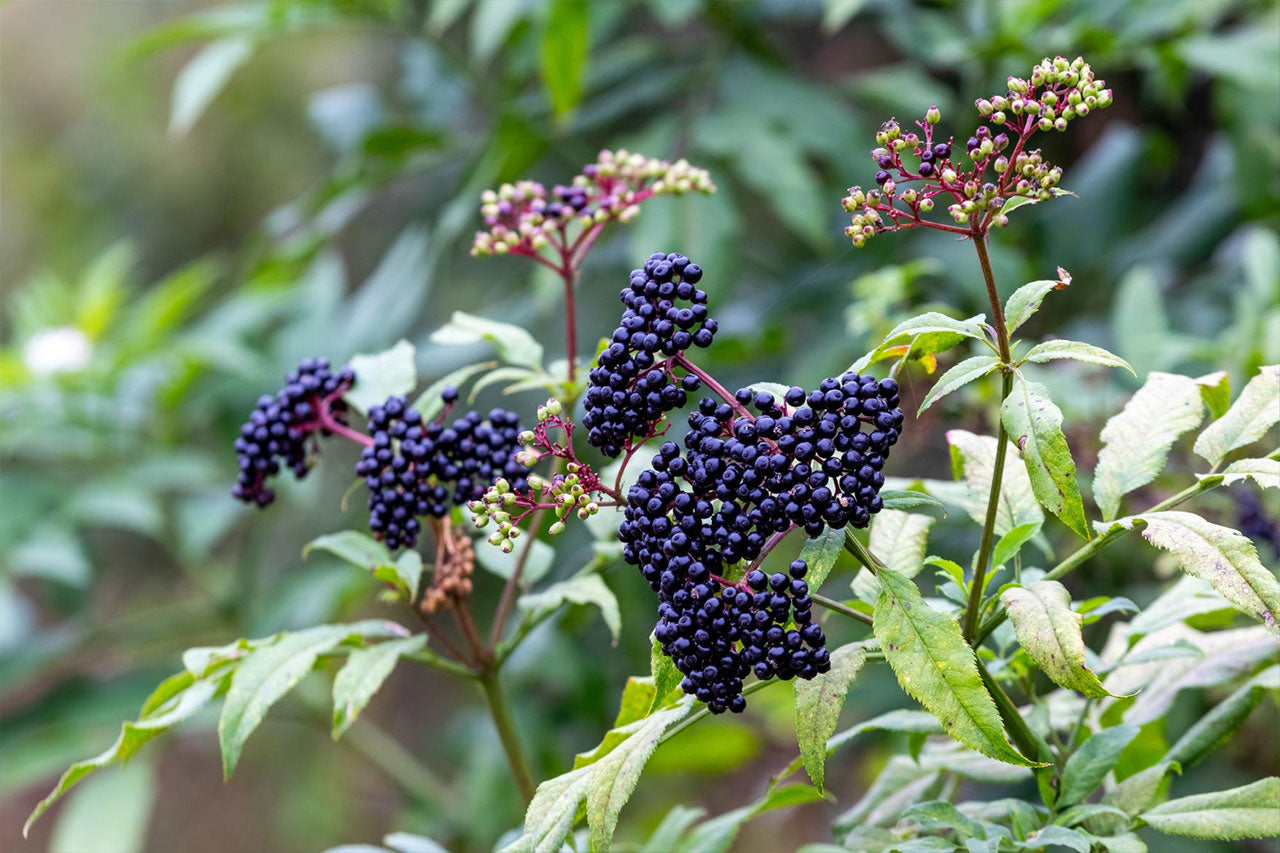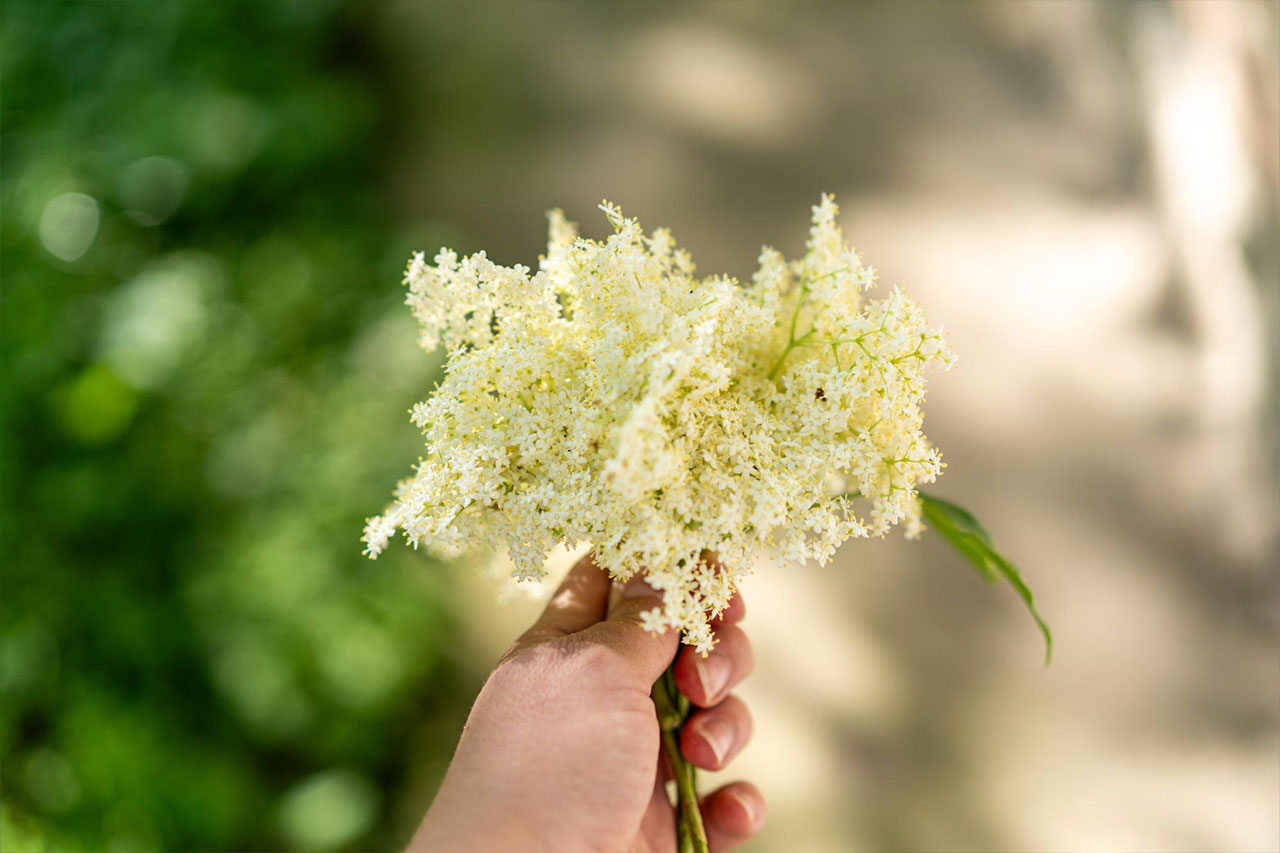

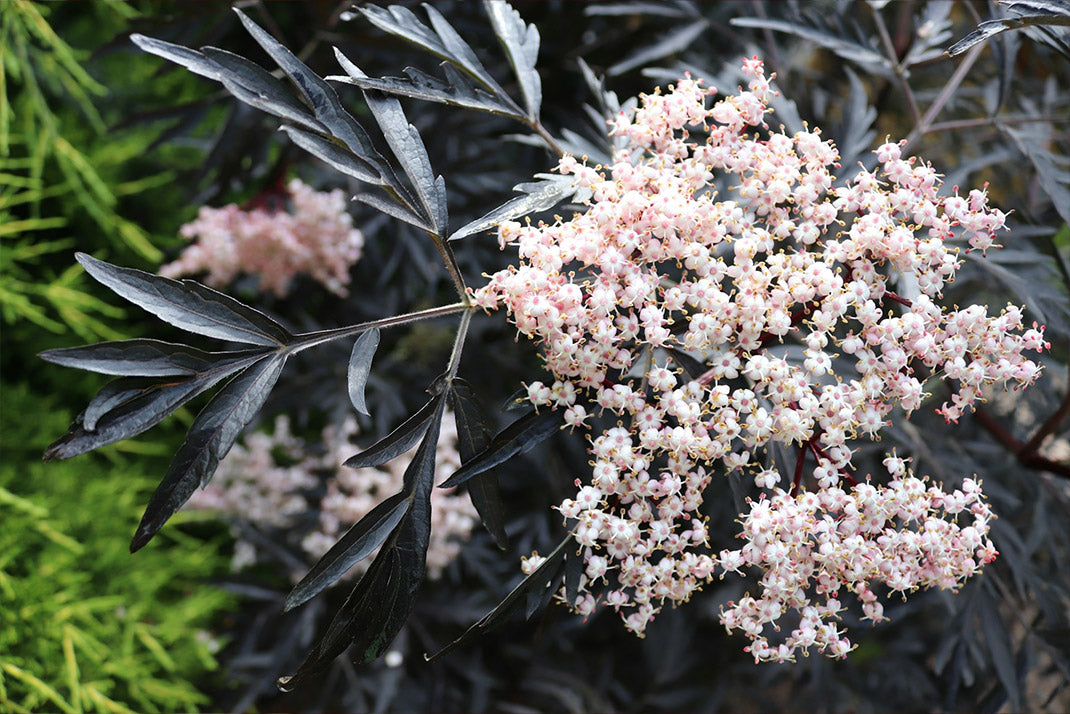
Few shrubs manage to be as “modern” and as traditional as Sambucus. The dark forms give you those moody, almost black leaves that designers love, finely cut like lace and very chic alongside grasses and perennials. Yet at the same time the flat white or pink flowerheads and berry clusters have a real cottage‑garden feel, echoing hedgerow elders and old‑fashioned gardens. It’s a wonderfully versatile look – bold if you want it to be, and gentle if you don’t.
Common name: Elder, Elderberry
Latin name: Sambucus
Size in UK gardens: Most ornamental elders make bushy shrubs or small trees around 2–4m tall and wide, though the plain species can reach 6m or more if left unpruned.
Best position: Sun or light, dappled shade, with golden and dark‑leaved forms colouring best in good light. Allow a bit of elbow‑room so they can show off their leaves and flowerheads
Soil: Happy in most reasonably fertile garden soils that aren’t prone to sitting waterlogged; “moist but well‑drained” is ideal.
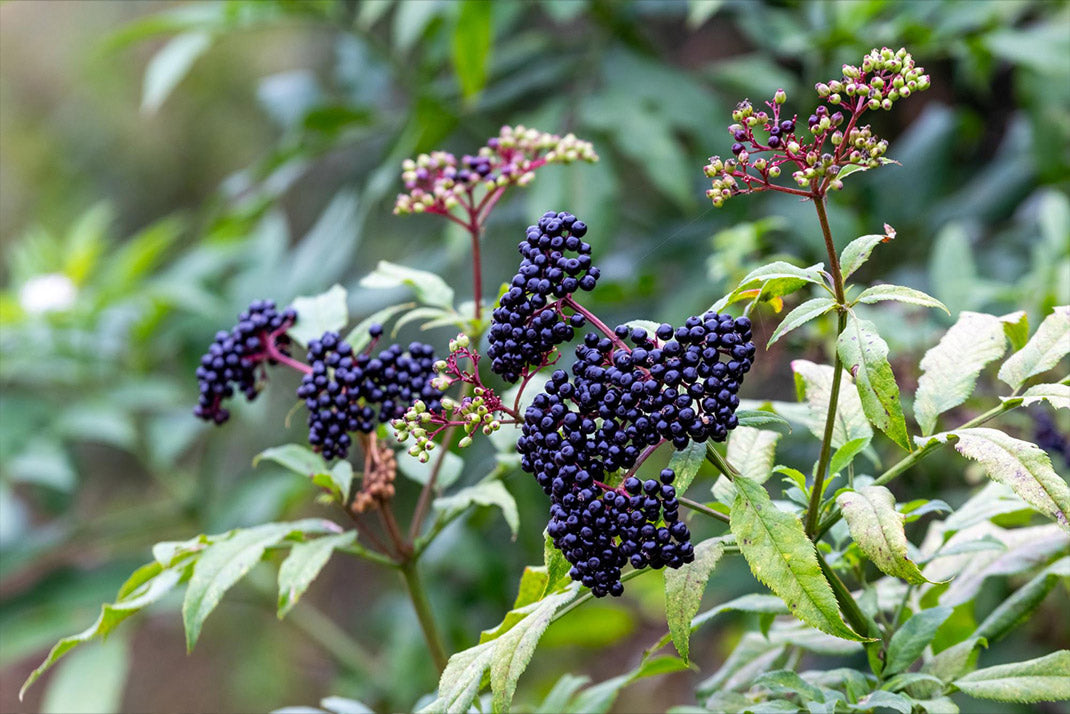
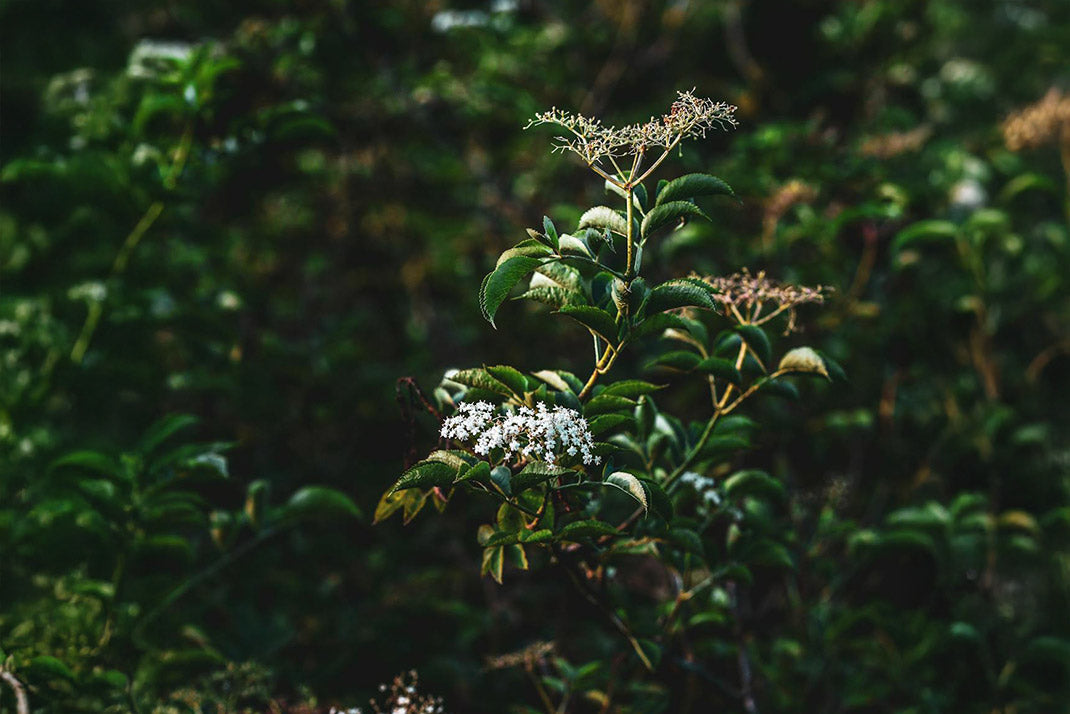
Flowering time: Flat heads of tiny cream or pink flowers in late spring to early summer, followed by clusters of red‑then‑black berries in late summer and autumn.
Fragrance: Flowers are usually sweetly scented and much loved for cordials; foliage has a light, slightly musky scent when brushed, more noticeable on some cultivars.
Hardiness: Fully hardy throughout the UK, coping well with normal winter cold once established.
Care level: Easy to moderate – they grow away strongly in most gardens, but benefit from regular pruning to keep size in check and foliage fine and colourful.

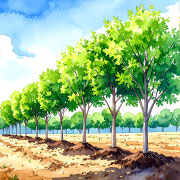
The Simpson’s team raises the majority of our trees here at the nursery. For varieties outside our own production, we work with independent local growers we trust - all chosen for UK climate suitability.
Planting time: As container‑grown plants, elders can be planted almost any time the soil is workable and not frozen or waterlogged, with spring and autumn usually easiest for new root growth.
Watering: Water well through the first season, especially in dry spells, so moisture reaches deep around the rootball. Once established in normal soil, they need little extra water except in prolonged drought.
Feeding: On decent garden soil, Sambucus rarely needs feeding – an annual mulch of compost or well‑rotted manure in spring is usually plenty. In containers, a light slow‑release feed in spring keeps growth strong.
Pruning: Easy to prune: many ornamental elders are cut back hard each year or two in late winter or early spring to keep them compact and colourful; otherwise, remove some older stems and any dead or crossing wood to maintain shape.
Winter: Fully hardy in the ground; stems stand bare through winter and then reshoot. A mulch over the root area on lighter soils is helpful, and container plants appreciate a bit of shelter from the worst winds.
Availability is always changing, so please check with us if you have a particular variety in mind.


A richly coloured elder with dark purple foliage that brings instant depth to planting schemes. The soft pink flower heads sit beautifully against the dark leaves, creating a refined, slightly dramatic look. Brilliant for contrast planting—especially alongside silvers, lime greens, and pale-flowered companions.
A striking elder with finely cut, lace-like purple foliage that adds wonderful texture as well as colour. The leaves give a feathery, almost Japanese-maple-like effect, then the flowers provide a softer, lighter moment in season. Ideal for anyone who wants dark foliage with elegance, not heaviness.
An upright, columnar elder with dark foliage, giving a strong vertical accent in borders and modern planting schemes. The narrow habit makes it useful where space is limited, while the deep colour adds drama. A smart way to add height, structure, and contrast without a bulky shrub footprint.