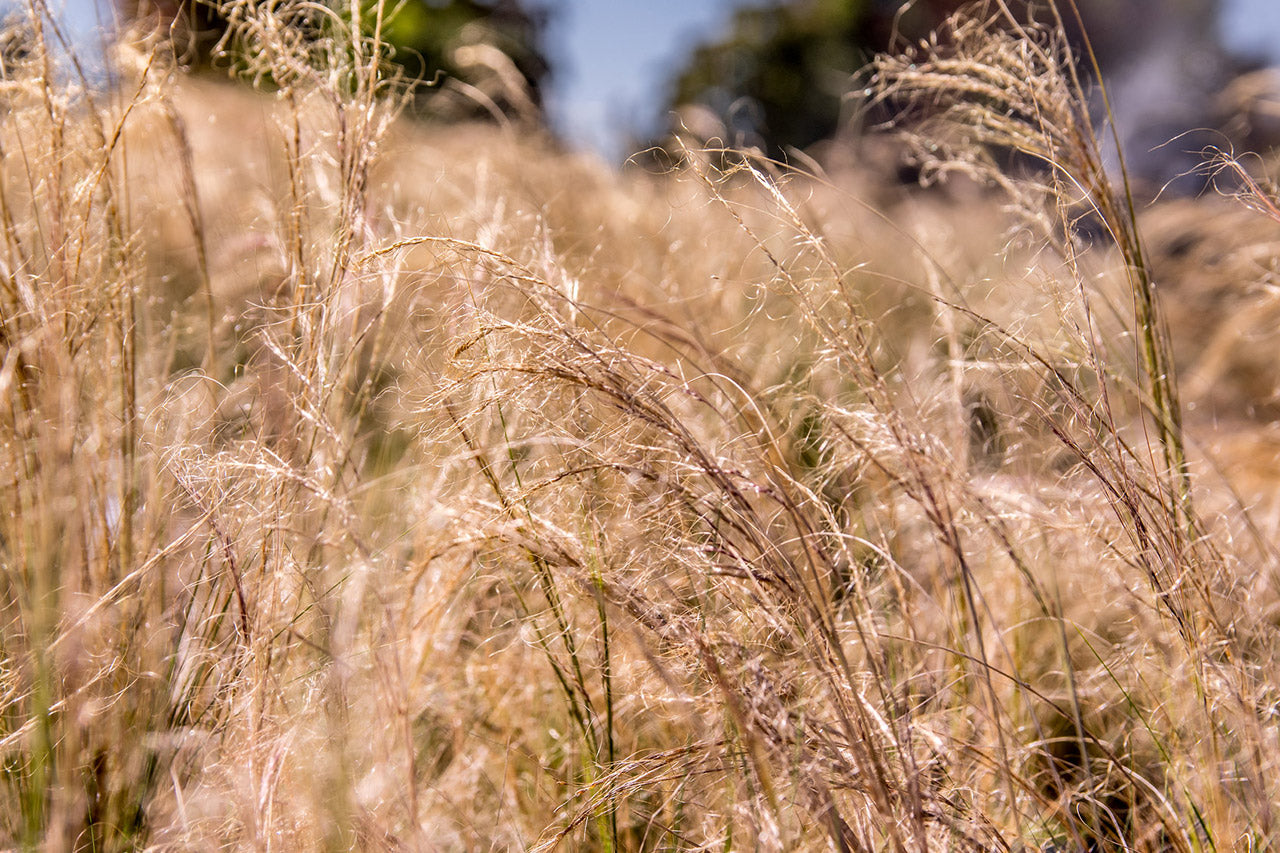
Where Borders Need Movement More than Colour, Stipa Lends a Calm, Misty Texture That Never Quite Sits Still.

Feather‑Light Texture With Constant Movement

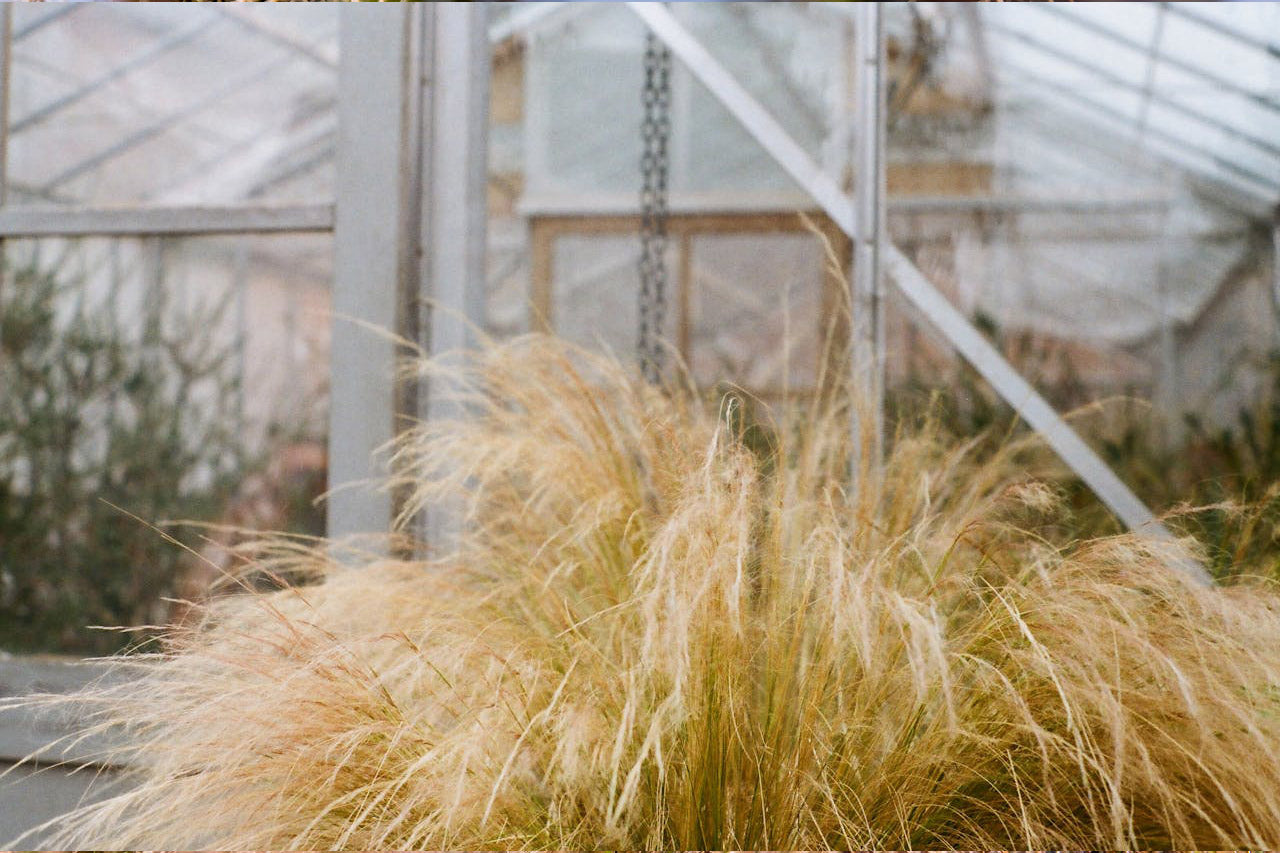
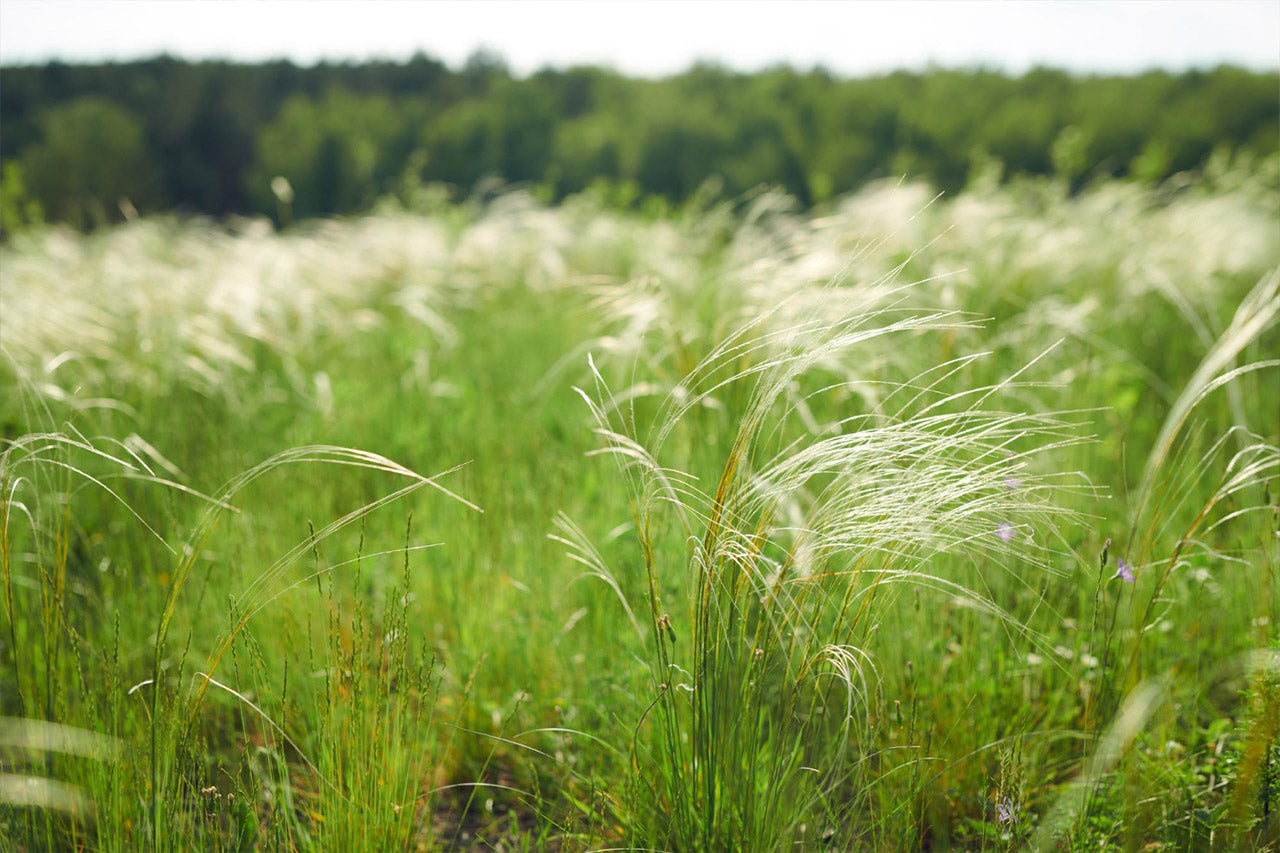
Stipa is one of the best plants for adding that “soft focus” feeling to a garden. Fine, hair‑like leaves rise in a neat tuft, then spill and sway with every passing breeze, so the planting always looks alive. It’s especially useful in modern gravel gardens and prairie‑style borders, but it also works beautifully in cottage planting, where it stops things looking too stiff. Even a small clump can make the whole border feel more natural and relaxed, because it brings motion and texture rather than just colour.
  • Feather‑Light Texture With Constant Movement
  • Drought‑Tolerant And Happiest In Lean Soil
  • Golden Seedheads That Last Into Winter

Stipa at a Glance:

Common name: Stipa, feather grass (often sold as Mexican feather grass for the finest forms).

Latin name: Stipa (some garden types are also sold under newer names, but “Stipa” is still the name most gardeners recognise).

Size in UK gardens: Typically 40–70cm tall and 30–60cm wide for finer types; larger species can reach 1–2m in flower.

Best position: Full sun for the best shape, colour and seedheads; light shade is tolerated but usually looks looser.

Soil: Free‑draining soil, from sandy loam to gravelly beds; happiest where winter wet doesn’t linger.

Main interest: Fine evergreen or semi‑evergreen foliage, plus airy summer seedheads that glow in sunlight.

Fragrance: Not noticeably scented, though crushed leaves can smell lightly “grassy”.

Hardiness: Generally hardy in the UK, but long, cold wet spells can shorten its life more than frost alone.

Care level: Low – mostly a spring tidy, the odd water while establishing, and avoiding heavy feeding.

Our Team!

Grown Locally By Us.

Rather than travelling halfway across Europe, our mimosa trees are grown on site by the Simpson’s team. They’re toughened to local conditions, properly potted, and ready to get growing the moment you plant them.

Stipa Care at a Glance:

Planting time: As container‑grown plants, Stipa can be planted in most months when the soil isn’t frozen or waterlogged; spring and early autumn are usually easiest for quick establishment.

Watering: Water regularly in the first season so roots spread well; once established, Stipa is fairly drought‑tolerant in the ground but pots will need more frequent watering in summer.

Feeding: Keep feeding light; a modest spring mulch is plenty on most soils, and rich feeding can make growth floppy.

Pruning: Tidy in spring by combing or cutting out dead growth; avoid hard autumn cutbacks that leave the crown exposed and wet.

Winter: Drainage is the key; Stipa generally dislikes sitting wet through winter more than it dislikes cold.

Varieties We Usually Stock

Availability is always changing, so please check with us if you have a particular variety in mind.

Acer campestre

Acer campestre 'Elsrijk'

Acer campestre 'Queen Elizabeth'

Acer campestre 'Carnival'

Frequently Asked Questions

Yes, Stipa is a perennial grass, and in the right spot it will return year after year. The key is drainage: Stipa generally copes well with cold, but it dislikes sitting wet through winter, which can cause the crown to thin out or rot. In a sunny, free‑draining border (or a raised bed), it’s usually very reliable and often stays partly evergreen in mild winters. If your soil is heavy and damp, you’ll often get better long‑term results growing Stipa in a raised area or a large pot with gritty compost.

Stipa forms neat clumps, so it doesn’t “run” underground like some grasses. However, some types can self‑seed lightly, especially in gravel gardens and dry borders where seedlings find little open space to settle. In most UK gardens this is modest and easy to manage: any unwanted seedlings are small and can be pulled up while young. If you love the look of Stipa but don’t want any surprise seedlings at all, simply remove flower stems as they fade — though many gardeners keep them for the beautiful seedhead display.

The best time is early to mid‑spring. Rather than cutting hard in autumn, leave the plant standing through winter — it looks good, and it helps protect the crown. In spring, either comb through the clump with gloved hands to pull out dead leaves, or snip out brown growth and old flower stems with scissors. Avoid cutting right down into the living crown, especially on finer types, as this can weaken the plant. A gentle tidy is usually all it needs to look fresh again.

Stipa can be excellent in pots, especially on patios and courtyards where you want movement and texture in a small space. The secret is sharp drainage: choose a pot with plenty of drainage holes, use a free‑draining compost with added grit, and raise the pot on feet so it never sits in water. Water more regularly in summer as pots dry quickly, but keep winter watering very light. If you’re in a particularly wet garden or you have heavy soil, container growing can actually make Stipa more reliable, because you can control the drainage far more easily.