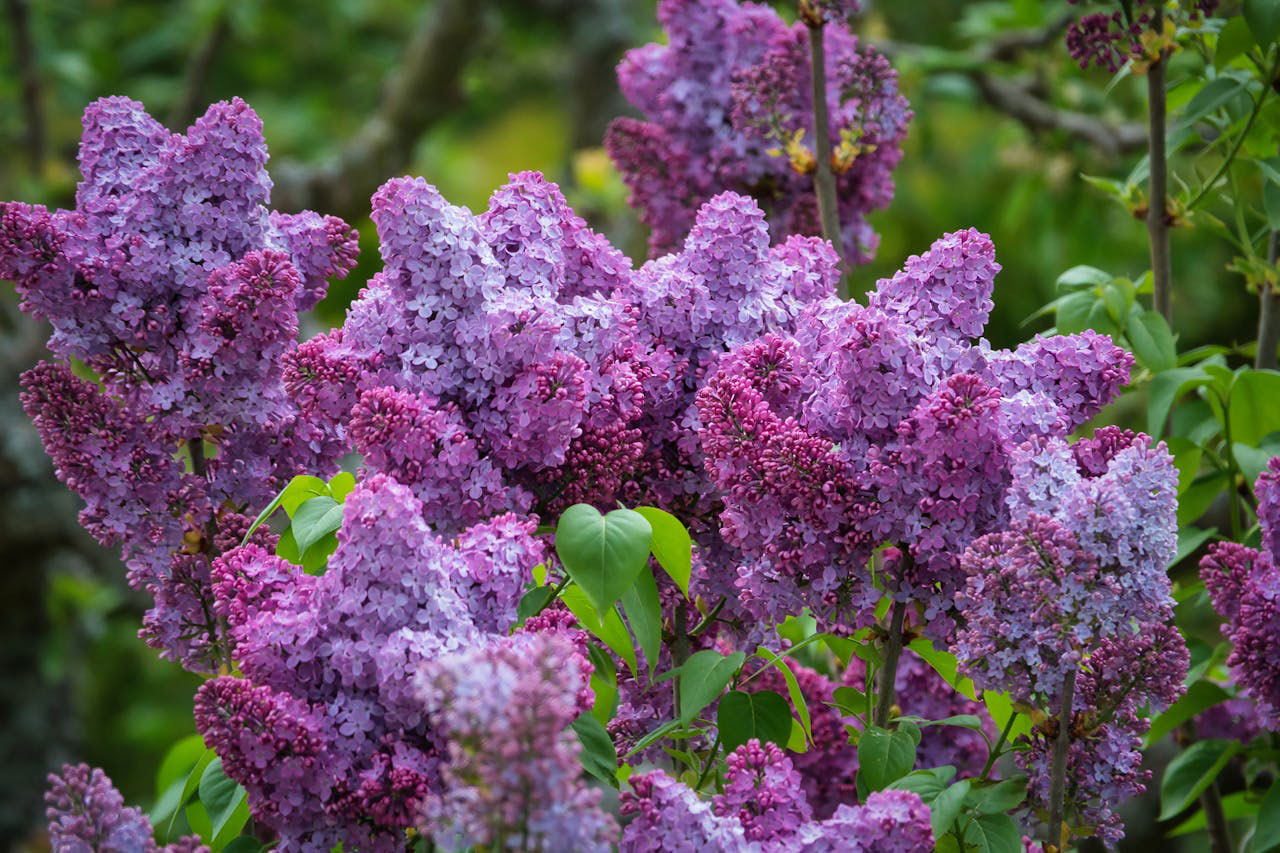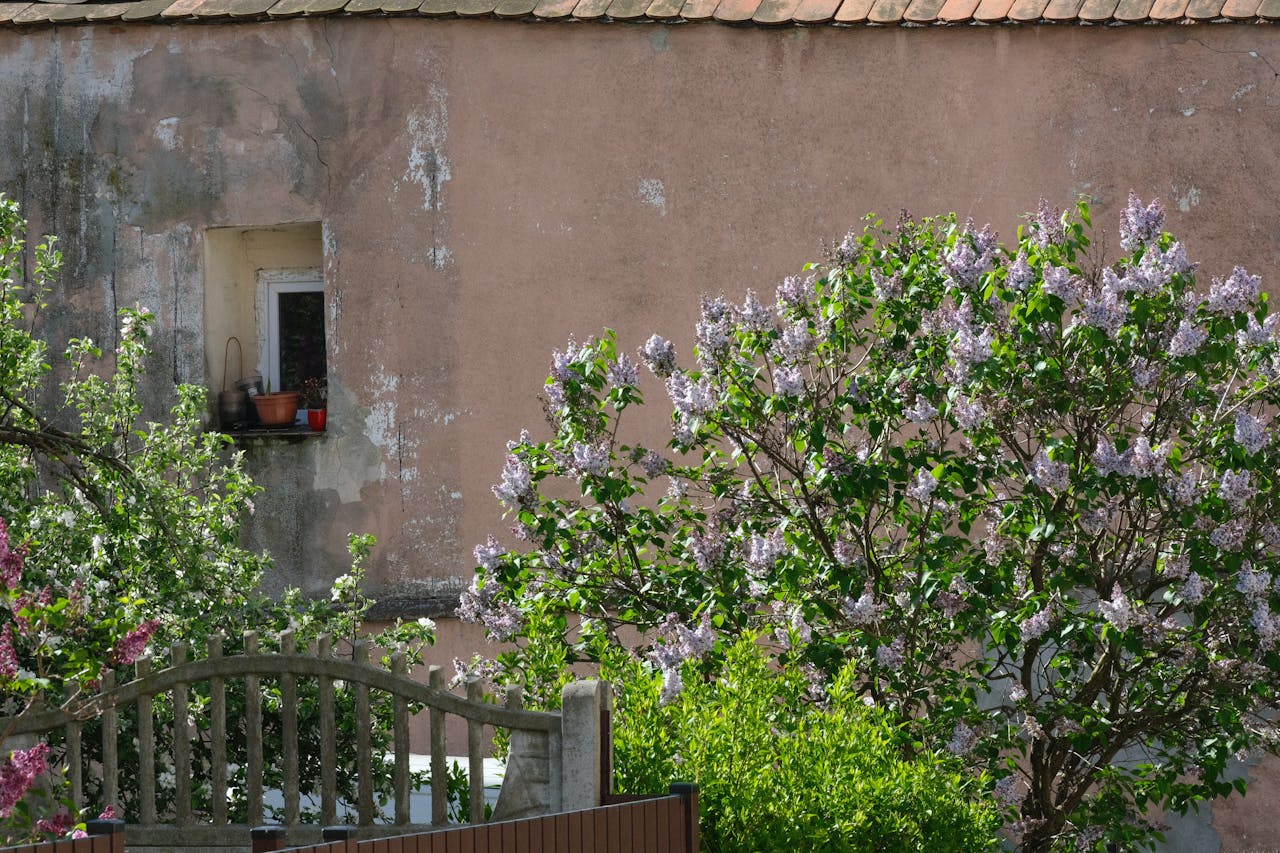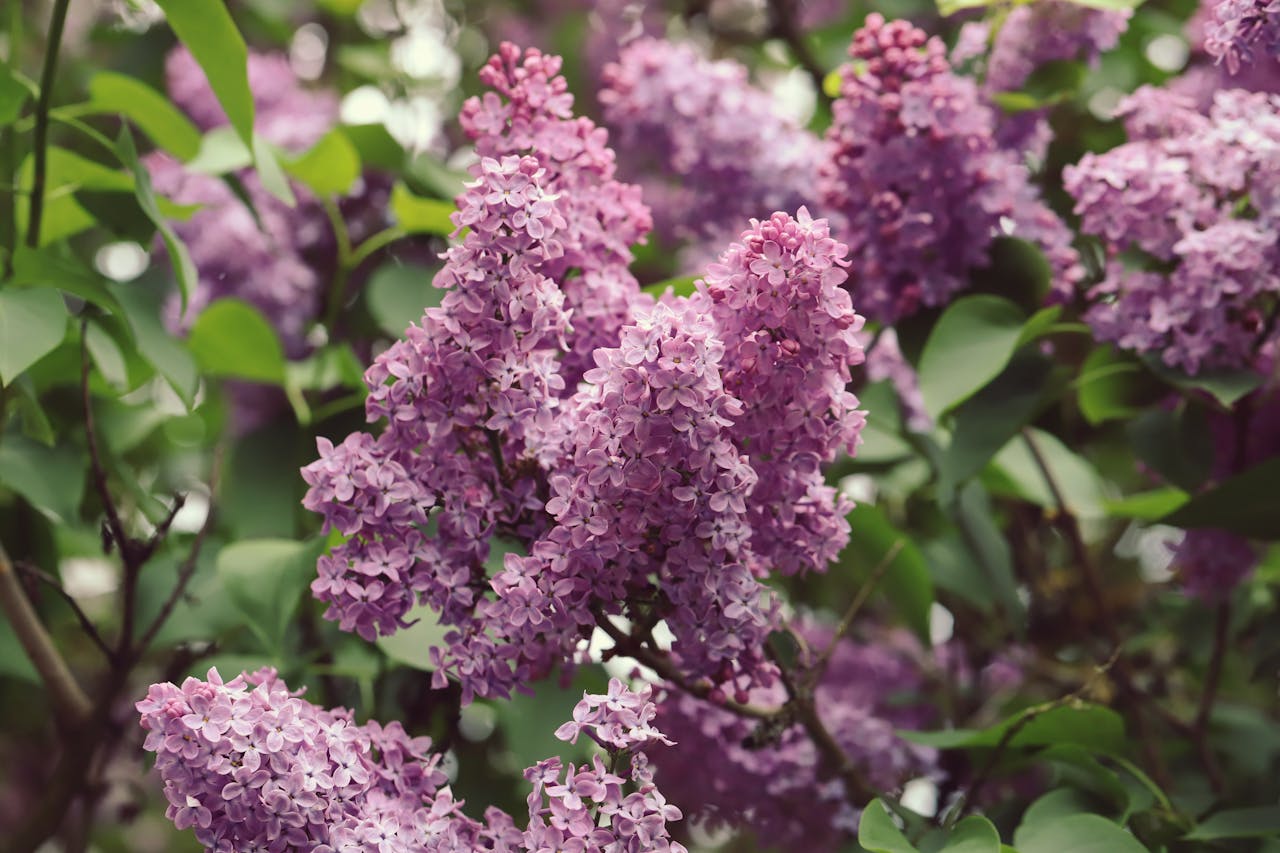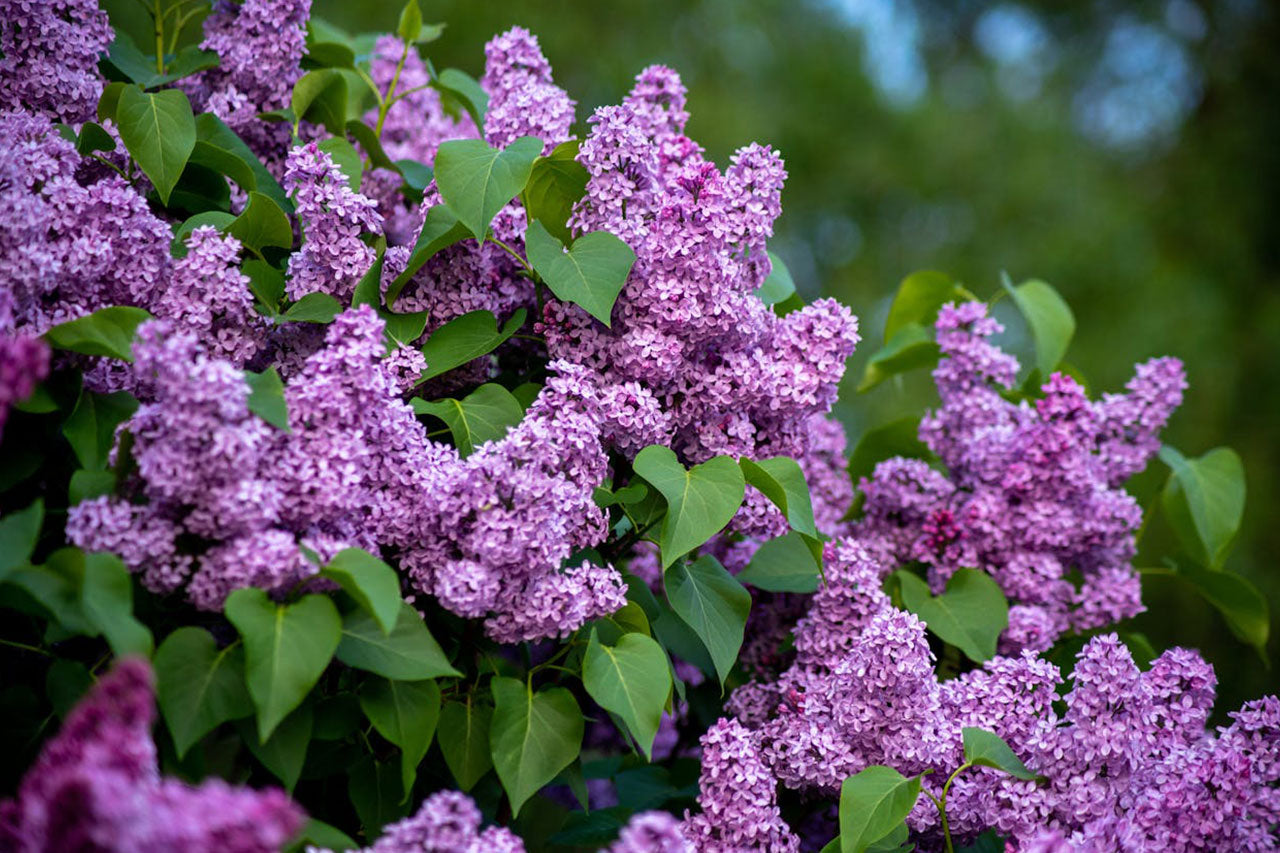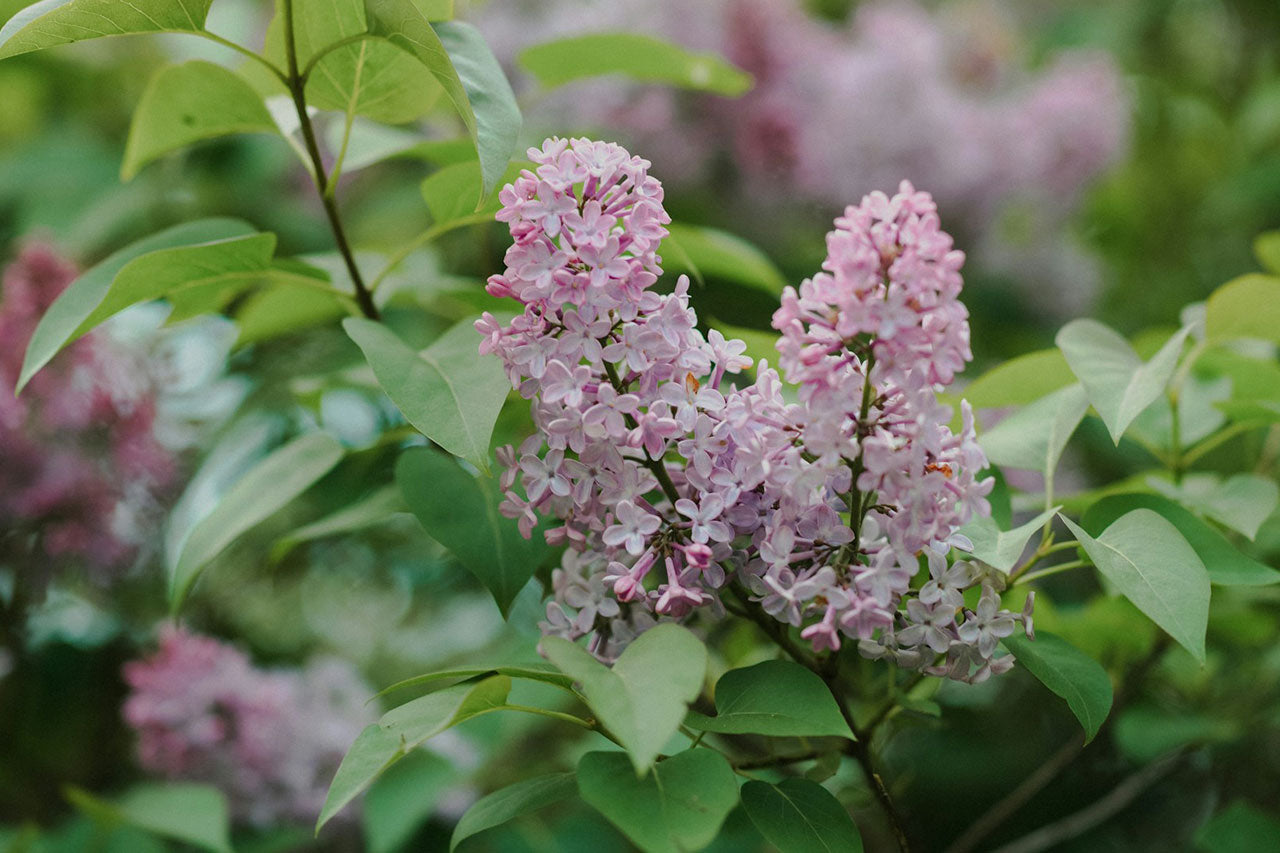

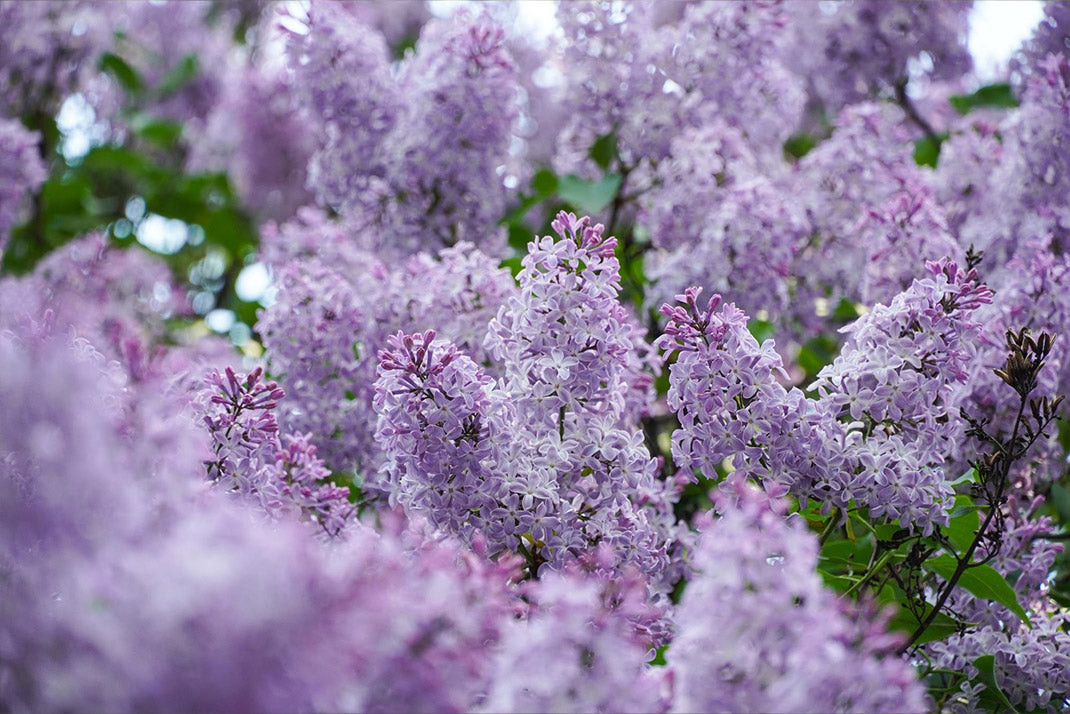
Lilac is one of those plants whose scent instantly takes people back – to grandparents’ gardens, village greens, long‑ago springs. When those plumes of blossom open, the air fills with a sweet, slightly spicy perfume that drifts across the whole garden. The flowers themselves, in shades from white through soft lilac to rich purple, have a nostalgic cottage‑garden feel but sit just as happily in modern planting. For a couple of weeks each year the plant really does steal the show.
Common name: Lilac
Latin name: Syringa
Plant type: Deciduous shrub or small tree.
Size in UK gardens: Many common lilacs make 3–4m tall, multi‑stemmed shrubs; smaller cultivars and S. meyeri types often stay around 1.5–2m, while Japanese tree lilac can reach about 6m.
Best position: Full sun for best flowering – aim for at least six hours of direct light – in a reasonably open spot with space for the head to develop.
Soil: Moist but well‑drained, fertile soil, ideally neutral to slightly alkaline; common lilac thrives on many UK loams and even chalk.
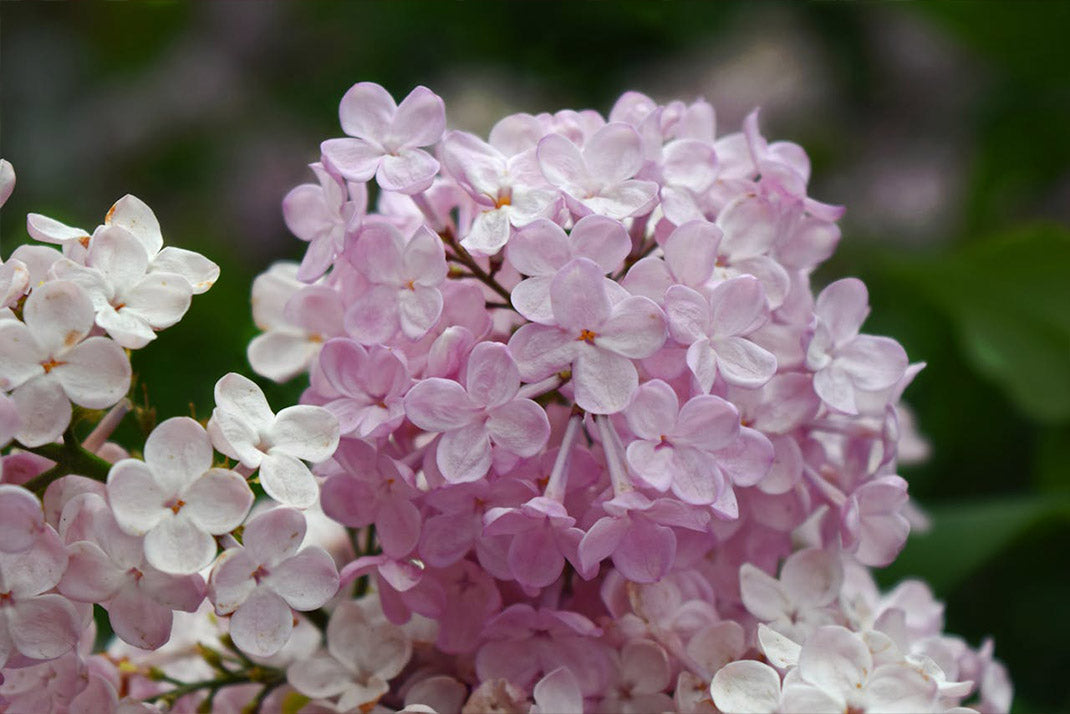
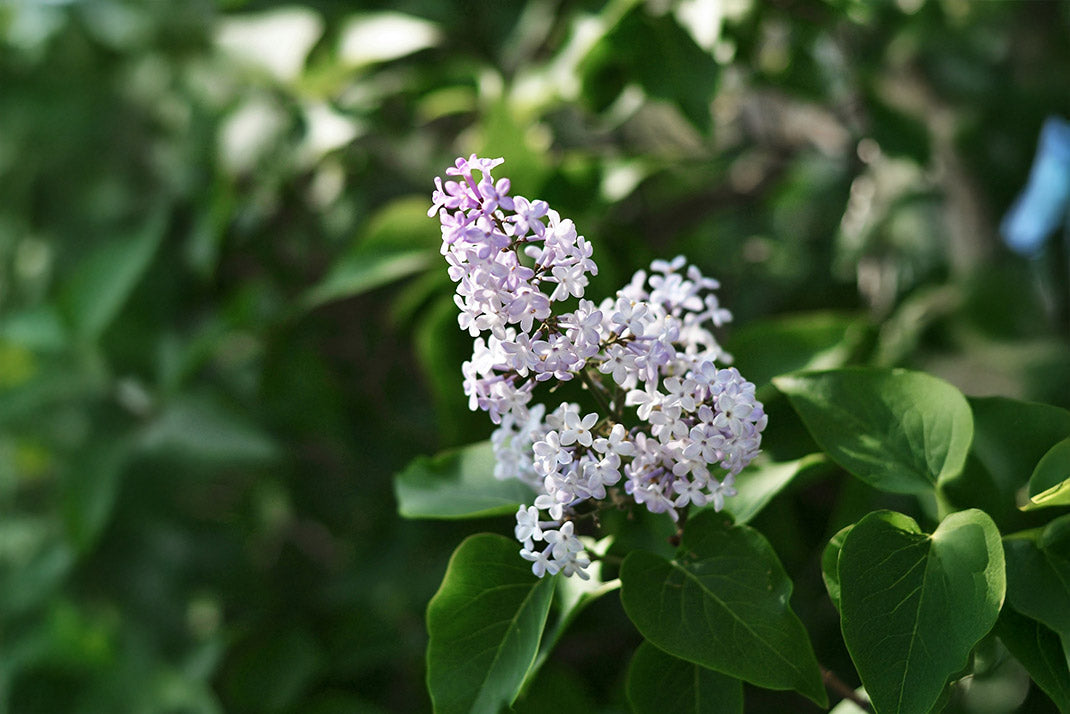
Flowering time: Usually April to June, depending on variety, with conical heads of single or double flowers in whites, blues, mauves and pinks.
Fragrance: Strongly and sweetly scented blossom – one of the classic perfumes of late spring; foliage is only lightly scented when crushed.
Hardiness: Fully hardy across the UK (typically to around –20°C depending on species).
Care level: Easy to moderate – tough once established, but does appreciate sun, decent soil and correct pruning to flower well each year.

The Simpson’s team raises the majority of our trees here at the nursery. For varieties outside our own production, we work with independent local growers we trust - all chosen for UK climate suitability.
Planting time: As container‑grown plants, lilacs can be planted in most months when the soil isn’t frozen or waterlogged, though spring and early autumn are generally the kindest times for new root growth.
Watering: Water regularly in the first couple of seasons so the rootball and surrounding soil don’t dry out, especially in light, sandy ground. Once established, they usually cope well with normal summer dry spells, needing extra water only in prolonged drought.
Feeding: In decent garden soil, a yearly mulch of compost or well‑rotted manure in spring is usually enough. Avoid heavy, high‑nitrogen feeding, which encourages leafy growth at the expense of flowers.
Pruning: Prune lightly each year straight after flowering – removing spent trusses and thinning out some of the oldest stems – so you don’t cut off next year’s buds. Old, overgrown shrubs can be renovated more hard in winter, accepting a year or so without bloom.
Winter: Fully hardy in the ground and happy to stand bare through winter. A mulch over the root area helps on light soils, and container plants appreciate shelter from the worst frosts and winds.
Availability is always changing, so please check with us if you have a particular variety in mind.


A romantic lilac with generous, double blooms in soft lavender-pink, creating a richly “fluffy” spring display. The flower heads feel full and celebratory, perfect for that classic lilac moment in the garden. A lovely feature shrub for borders and near seating where the flowers can be enjoyed at close quarters.
A modern lilac with deep purple flower heads that bring a bold, velvety look in bloom. The colour feels strong and contemporary, with tidy clusters that show well against the foliage. A great choice when you want lilac impact with a darker, moodier palette.
One of the great classics, producing sumptuous, double magenta-purple flower trusses that feel wonderfully opulent. In bloom it has real presence, giving that traditional, “proper lilac” spectacle. A brilliant pick when you want rich colour and a spring display that doesn’t hold back.
A refined lilac with dense, double blooms in a soft lilac-pink tone that feels gentle but substantial. The flower heads are full and elegant, giving a polished spring show. A lovely choice for a classic border shrub where you want romance and tradition, without anything too loud.


‘Beauty of Moscow’ is famed for its exquisite double blooms, opening from blush-pink buds into creamy white flowers so the trusses look softly two-toned. The effect is elegant and slightly luxurious. A wonderful feature lilac when you want something classic, but with real distinction.
A superb white lilac with large, double flower heads that look crisp and luminous in spring. It brings a clean, bridal brightness that suits both traditional and modern planting. A strong choice when you want white blossom that feels generous and showy, not thin or fleeting.
A compact lilac with neat proportions and masses of small lilac-pink blooms, giving a surprisingly generous display for its size. It looks tidy and well mannered, making it ideal for smaller gardens and courtyard settings. A lovely way to enjoy lilac charm where space is limited.
A richly flowering lilac with full trusses in soft purple tones, giving a classic, abundant spring display. The colour is substantial without being harsh, so it sits well in mixed borders. A dependable choice when you want that traditional lilac look—generous bloom, pleasing colour, and timeless charm.


A standout lilac with warm, rosy-magenta blooms that bring a brighter, more vibrant colour note. The trusses are bold and plentiful, making it a real spring feature. A great choice when you want lilac colour that feels joyful and confident rather than pale or restrained.
A true talking point: purple flowers crisply edged in white, so each floret looks neatly outlined, almost like icing. The contrast is striking even from a distance, yet still feels classic. A lovely choice for anyone who wants a lilac with traditional charm and a distinctly “different” finish.
A much-loved deep purple lilac with velvety flower heads that bring real richness in spring. The colour adds depth to planting schemes and pairs beautifully with softer pinks and whites. A fine choice when you want a darker, more dramatic lilac that still feels thoroughly traditional.