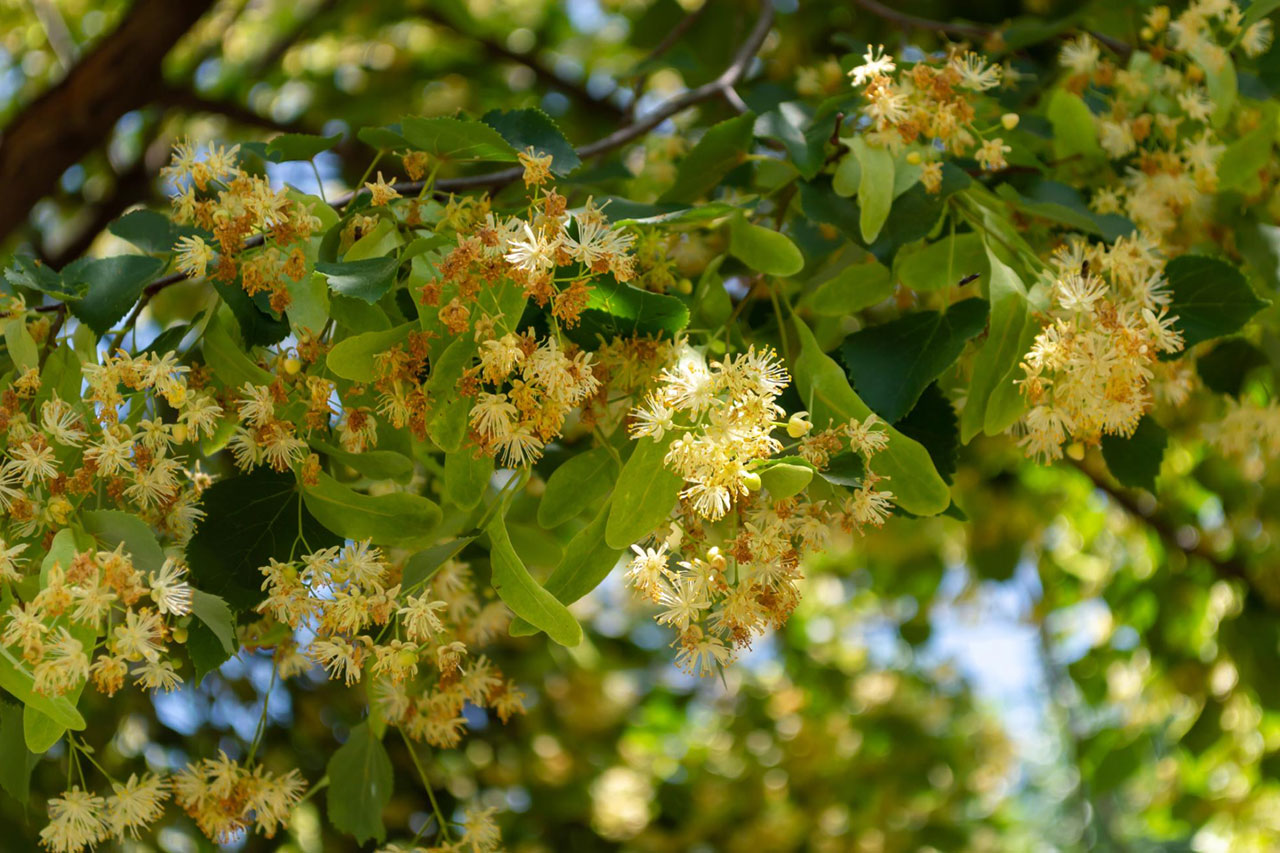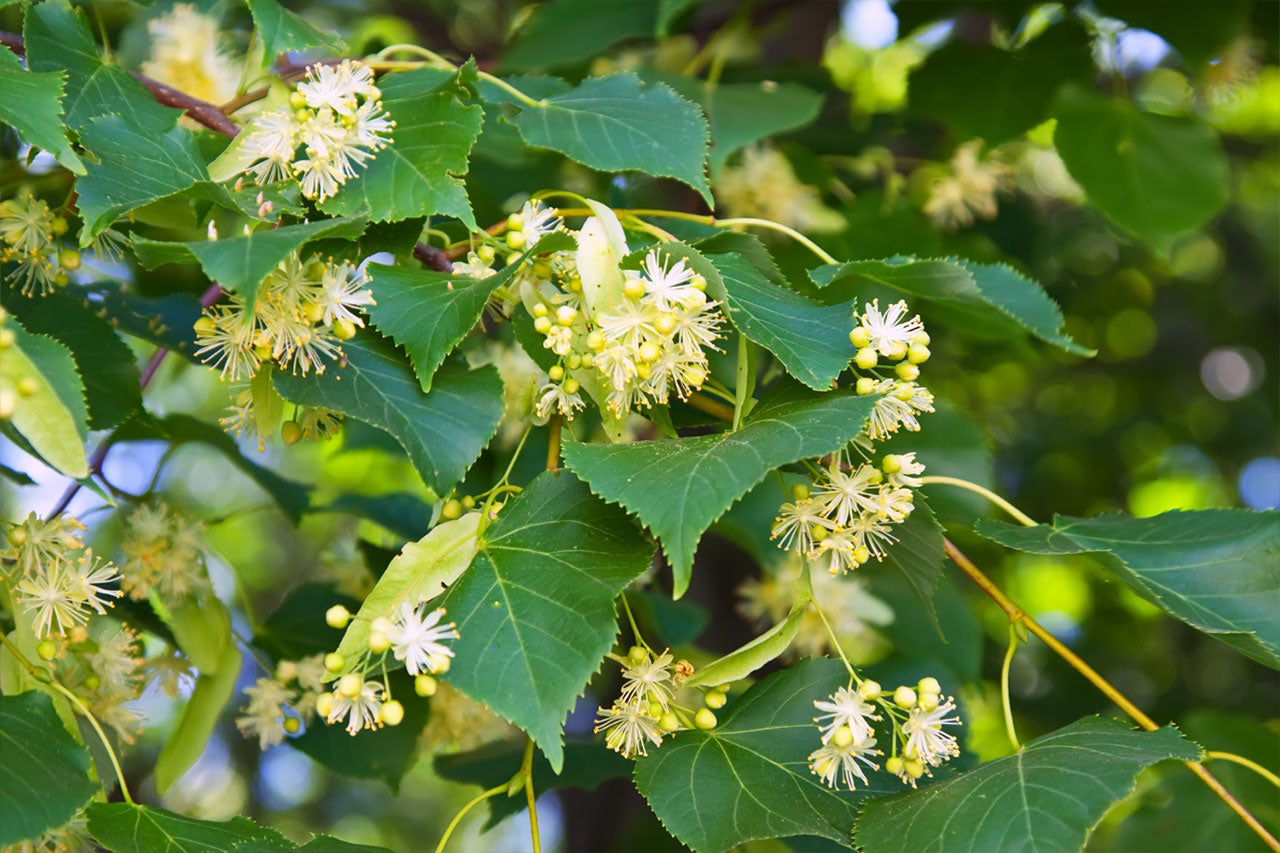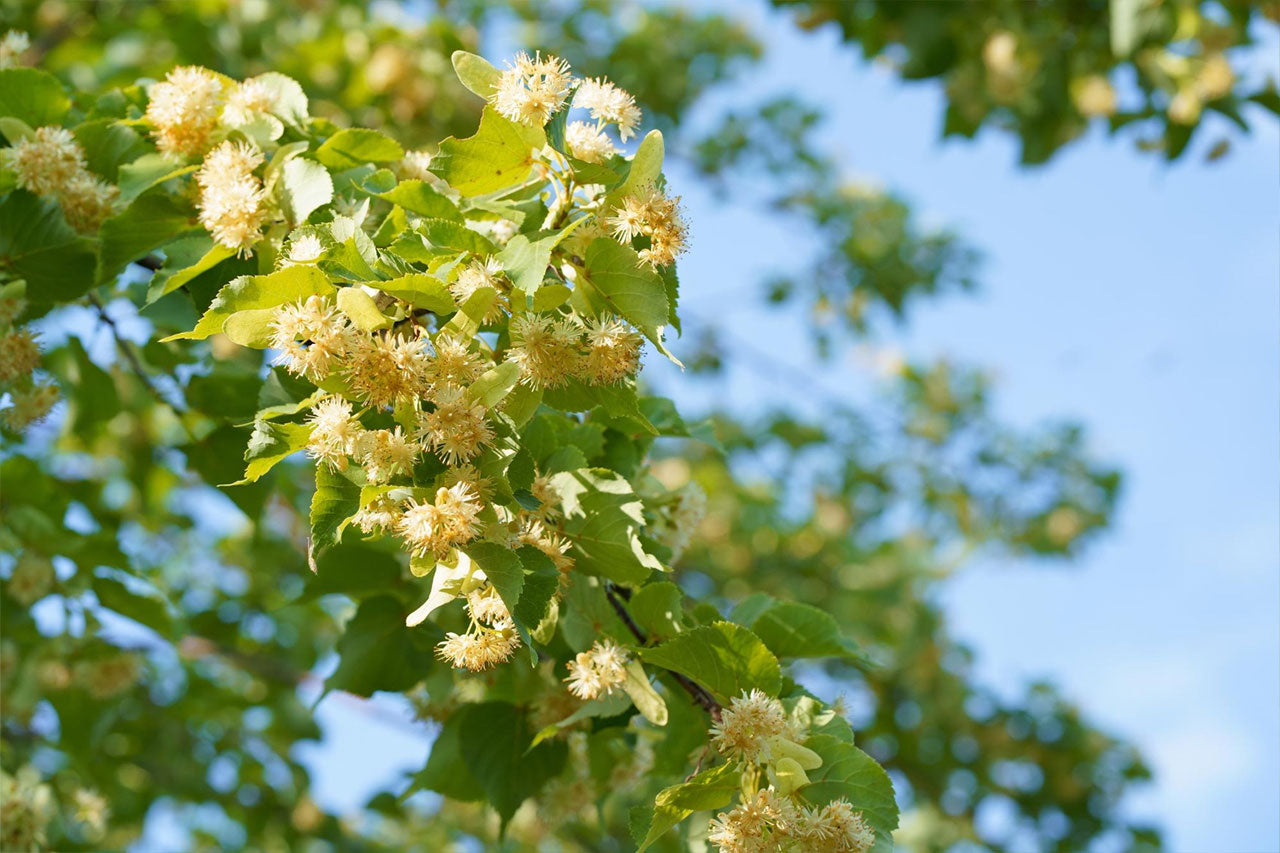

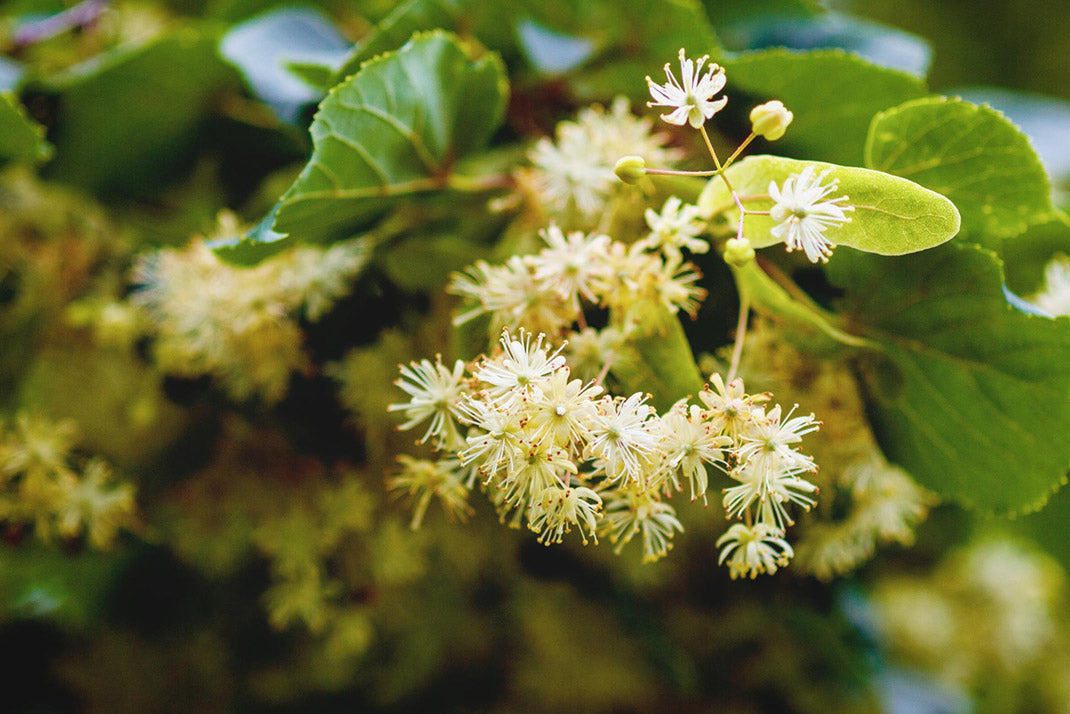
Few trees perfume a garden quite like a lime in flower. On warm June and July days, the branches are hung with pale, starry blooms and bracts, each one releasing a sweet, honeyed scent that drifts well beyond the canopy. Stand beneath the tree in the evening and you’ll often hear as much as smell it, with bees and hoverflies humming overhead. For a couple of weeks each summer, a mature lime can change the whole mood of a garden or street.
Common name: Lime Tree, Linden Tree.
Latin name: Tilia – especially Tilia cordata (small‑leaved lime) and selected cultivars, with larger species such as Tilia × europaea (common lime) in big gardens and avenues.
Size in UK gardens: Many garden limes such as Tilia cordata ‘Greenspire’ reach around 10–17m tall and 6–10m wide over a few decades; un‑pruned species can eventually reach 20–25m+ and are best for larger plots or paddocks.
Best position: Full sun or very light shade, with room for the crown to develop and no precious cars or seating directly underneath where honeydew might drip in summer.
Soil: Moist but well‑drained, reasonably fertile soil; Tilia will tolerate both acid and alkaline conditions, including many UK clays and chalk/limestone soils, provided they are not permanently waterlogged.
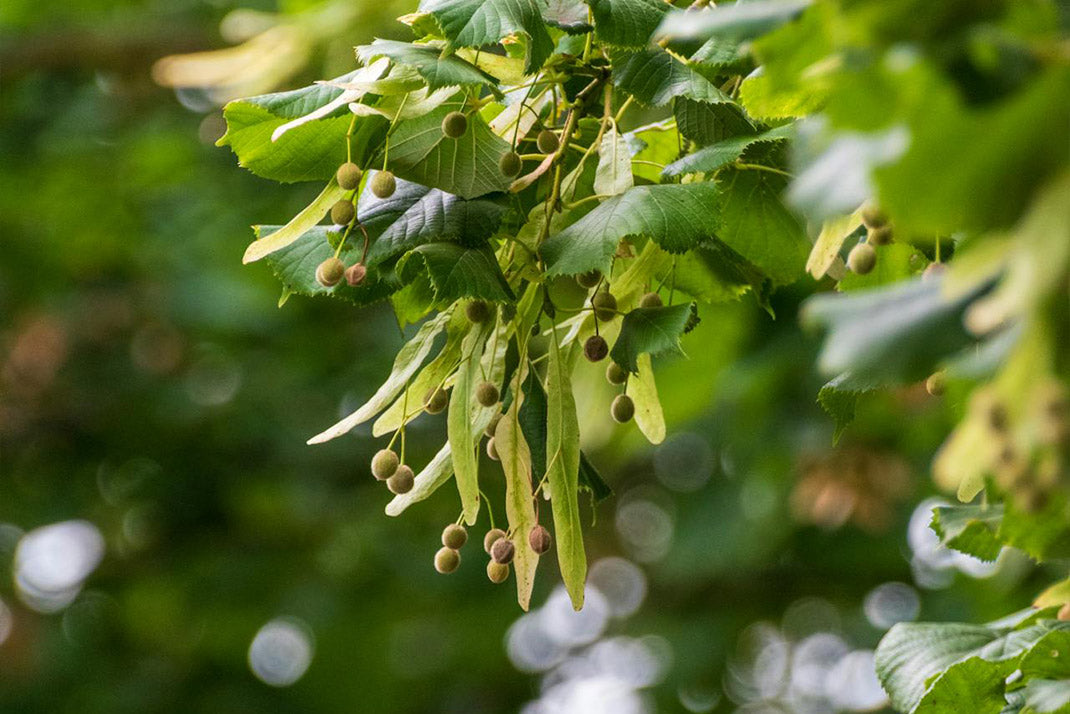
Flowering time: Small, cream‑yellow, highly scented flowers in early to mid‑summer, followed by clusters of nut‑like fruits.
Fragrance: Strongly sweet, almost honeyed scent from the flowers on warm summer days and evenings; foliage is only lightly aromatic when crushed.
Hardiness: Fully hardy throughout the UK (typically RHS H6–H7, around –20°C to –15°C or below once established).
Care level: Easy to moderate – tough, long‑lived trees that need a sensible planting site, watering while young and only light structural pruning unless you are deliberately pollarding or pleaching.

The Simpson’s team raises the majority of our trees here at the nursery. For varieties outside our own production, we work with independent local growers we trust - all chosen for UK climate suitability.
Planting time: As container‑grown trees, lime can be planted in most months when the ground isn’t frozen or waterlogged, with spring and early autumn usually giving the smoothest establishment.
Watering: Water thoroughly and regularly for the first couple of growing seasons so the rootball and surrounding soil don’t dry out, especially on lighter soils. Once well rooted, most limes cope with normal summer dry spells, needing extra water only in prolonged drought.
Feeding: In decent garden soil, an annual mulch of compost or well‑rotted manure in spring is usually all that’s required. Container‑grown trees benefit from a slow‑release fertiliser in spring and occasional top‑ups of fresh compost.
Pruning: Needs little routine pruning beyond removing dead, crossing or badly placed branches and keeping the crown balanced. Formal pleached or pollarded limes require regular, light trimming to maintain the framework.
Winter: Fully hardy in the ground, simply standing bare through winter. A mulch over the root area helps on very light soils, and container trees appreciate shelter from the worst frosts and drying winds.
Availability is always changing, so please check with us if you have a particular variety in mind.


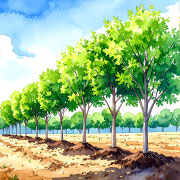
A smart lime with a tidy, upright outline that looks very “avenue-ready,” bringing structure and dignity to larger spaces. The canopy feels dense and composed, giving a sense of shelter and maturity. A good choice when you want a classic street-tree look—orderly, traditional, and quietly impressive.
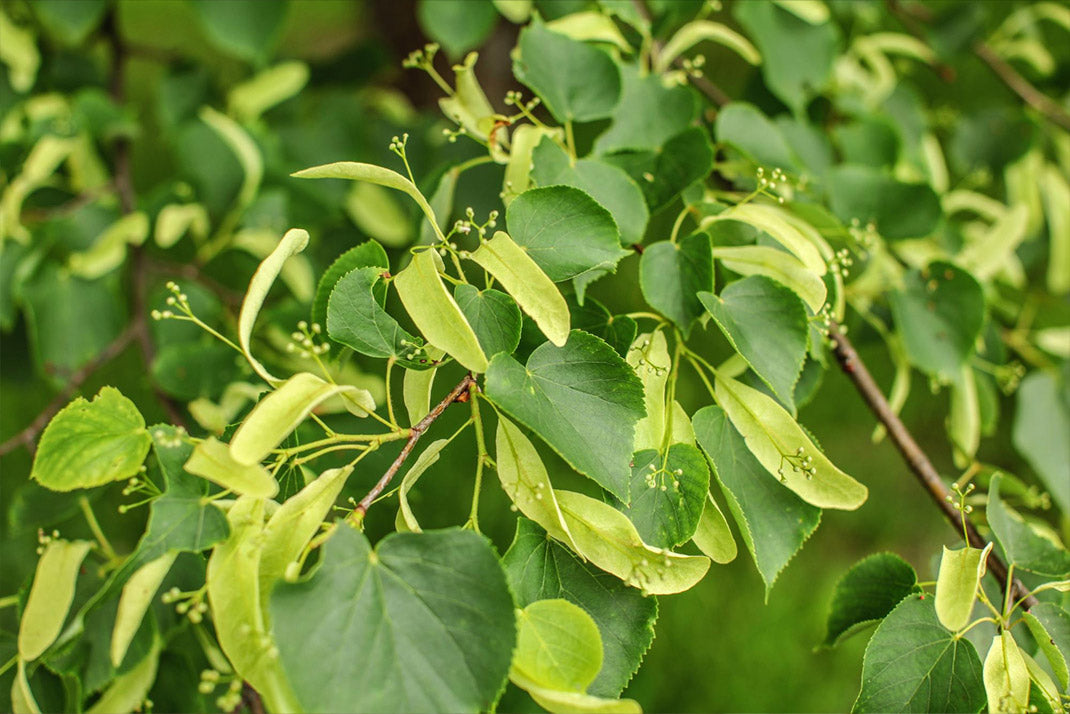
The small-leaved lime has a refined, traditional character, with neat foliage that creates a light, elegant canopy. It brings a calm, parkland feel—handsome in summer and beautifully twiggy in winter. A wonderful choice for adding classical structure and that unmistakable English landscape atmosphere.
A selected small-leaved lime with a particularly neat, symmetrical crown that reads cleanly in the landscape. It looks well mannered and “designed,” making it excellent for formal lines and repeated planting. A strong option when you want lime-tree elegance with a more tailored silhouette.
A more compact, garden-friendly lime with a tidy outline and a dense, refined canopy. It brings the classic lime look, but in a shape that’s easier to place in managed landscapes. A good choice for adding traditional structure where you want a smaller, more contained presence.


A lime with an extra seasonal flourish, valued for young shoots that take on warm orange tones, adding a gentle winter glow. In leaf it keeps that neat, refined small-leaved lime look. A lovely choice when you want a traditional avenue tree with a subtle twist in the framework.
The Caucasian lime has glossy foliage and a poised, rounded habit that looks polished through the season. It carries itself with a clean, composed presence, making it very easy to use in formal settings. A good option when you want a lime that feels smart and finished, rather than loose and informal.
A distinctive lime with wonderfully textured leaves, finely toothed at the edges, giving the canopy an extra layer of detail. It feels more ornamental and “collector” than many limes, while still keeping that handsome tree character. A charming choice when you want something traditional in spirit, but noticeably different in leaf.
A graceful lime with lighter-toned foliage that gives a softer, fresher look through the season. The habit is classic and well balanced, making it excellent for avenues or as a specimen. A lovely choice when you want traditional structure, but with a brighter, airier feel than darker forms.


A striking weeping silver lime, with branches that drape elegantly and leaves that flash silver beneath, creating a shimmering effect in the breeze. The silhouette feels gently theatrical—more fountain than dome. A brilliant specimen when you want movement, light-catching foliage, and a calm, cascading presence.
The broad-leaved lime is a traditional, imposing tree with a generous crown and big, soft leaves that create a lush summer canopy. It has a sense of parkland grandeur and instant maturity. A fine choice for larger gardens where you want shade, structure, and that classic “mature landscape” feel.
A lime with an extra seasonal accent, prized for reddish young stems that add warmth and colour to the framework. In leaf it keeps a strong, traditional silhouette, bringing dependable structure and presence. A good choice if you like your classic avenue trees with a little added character in the winter outline.