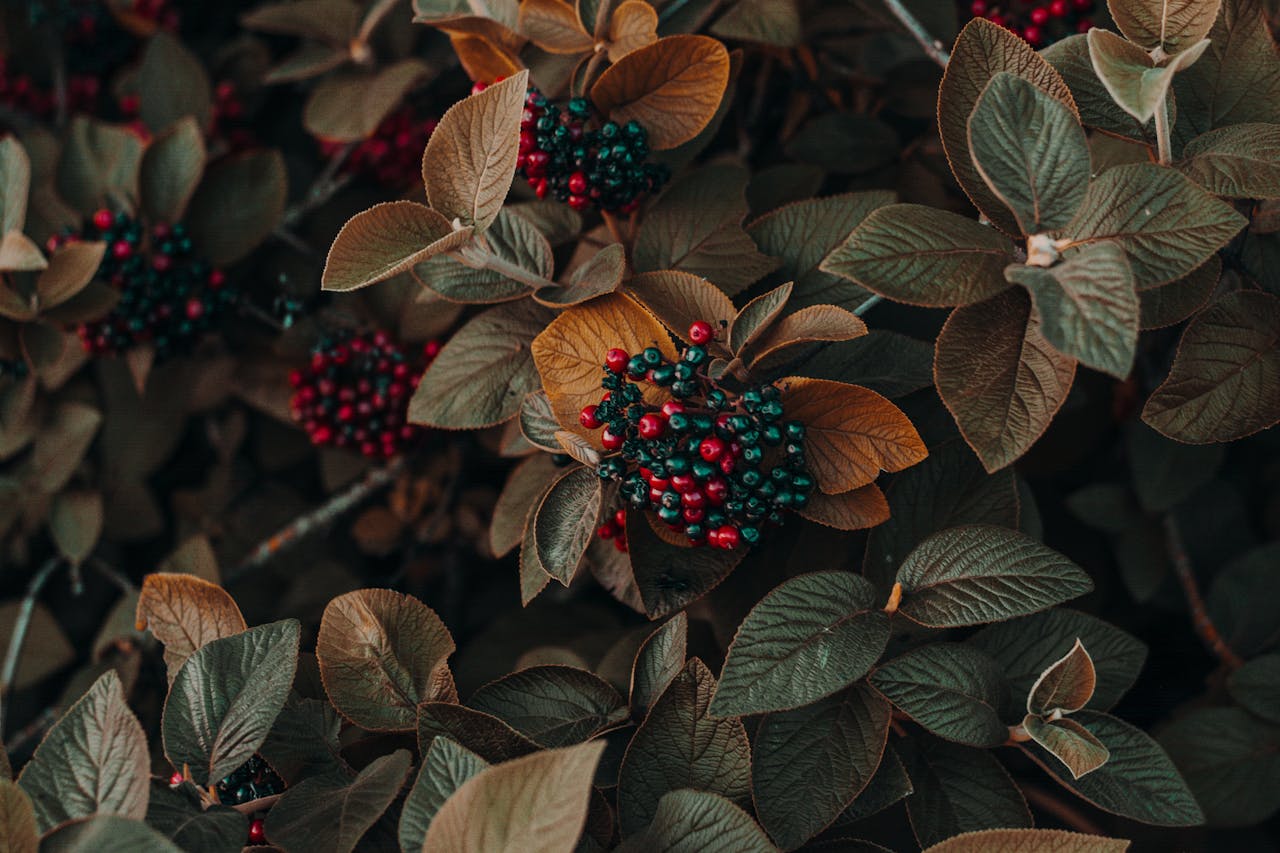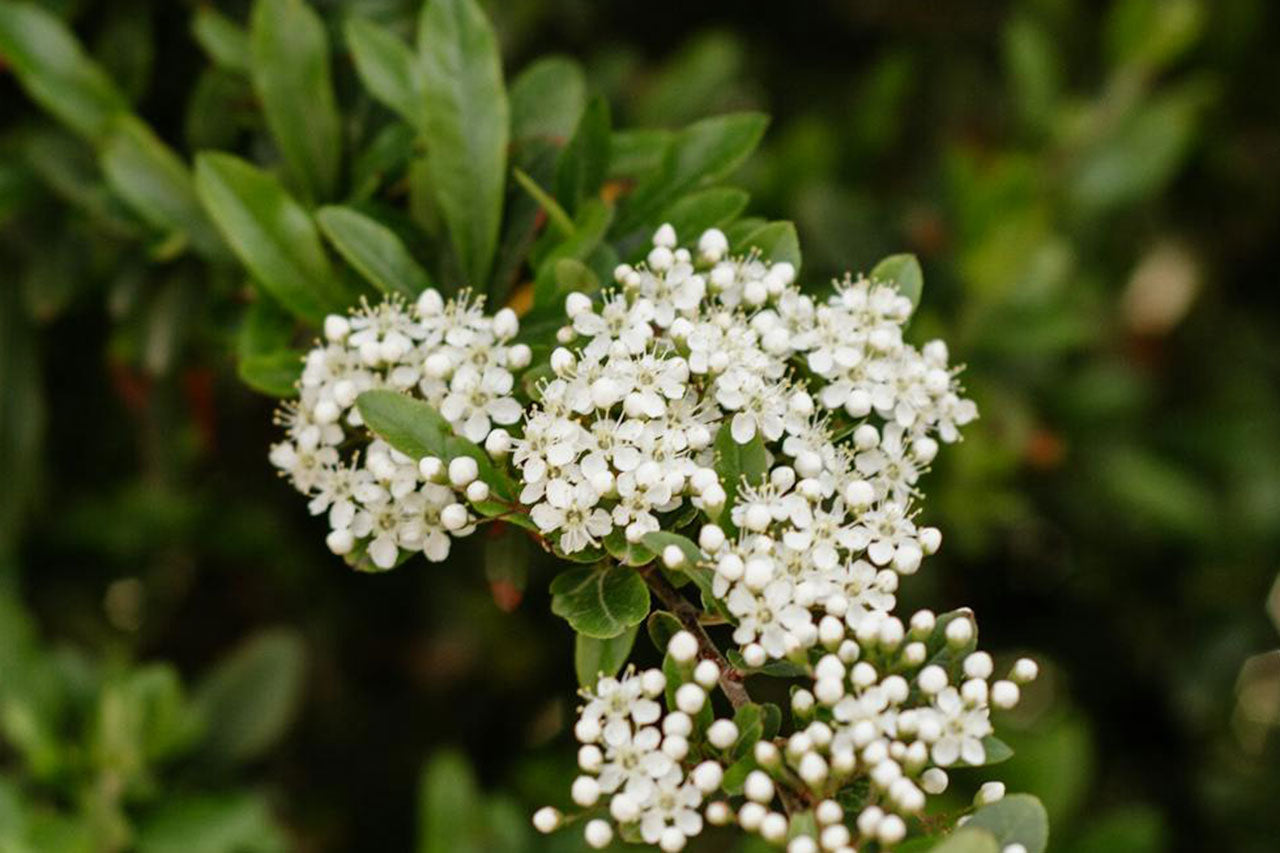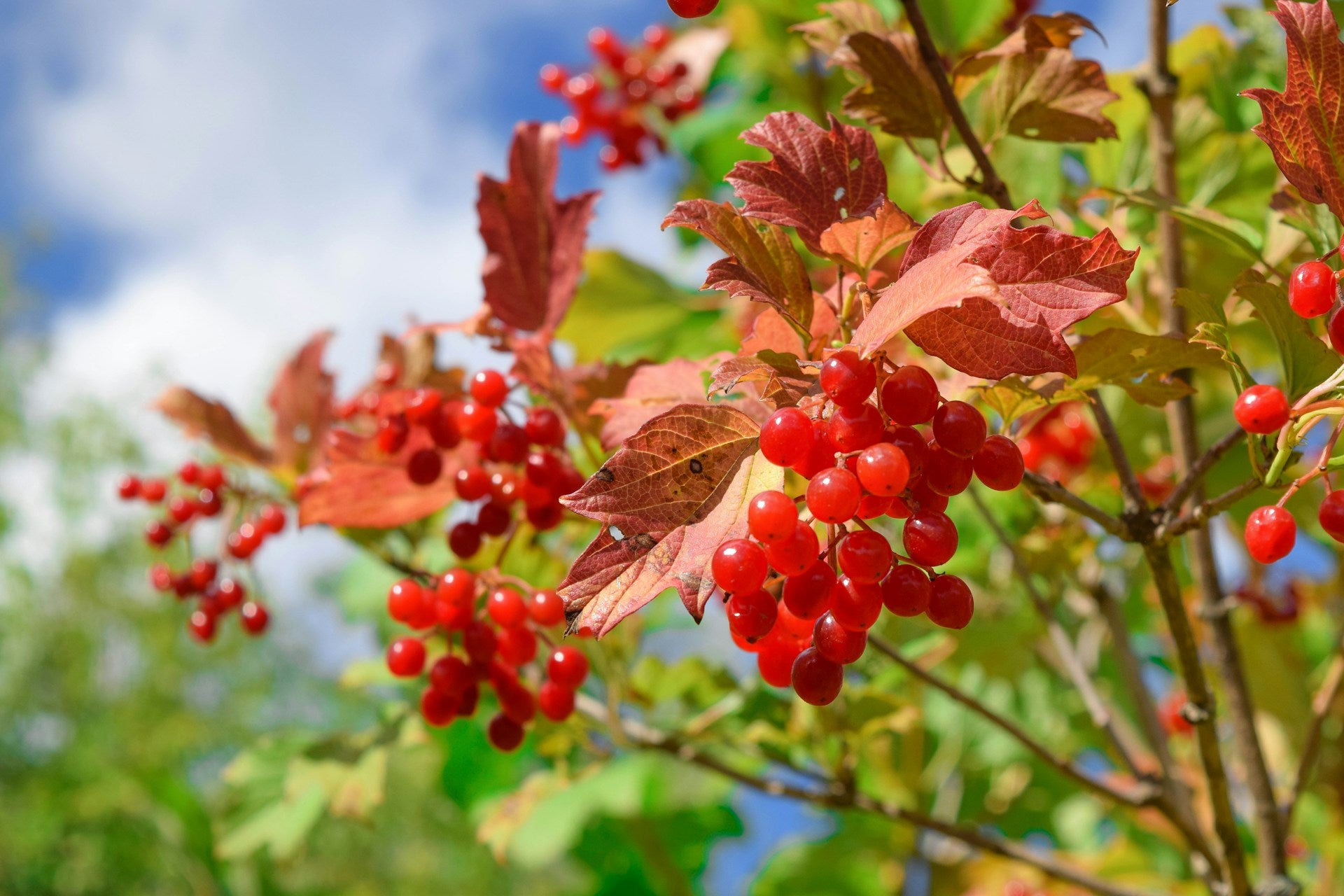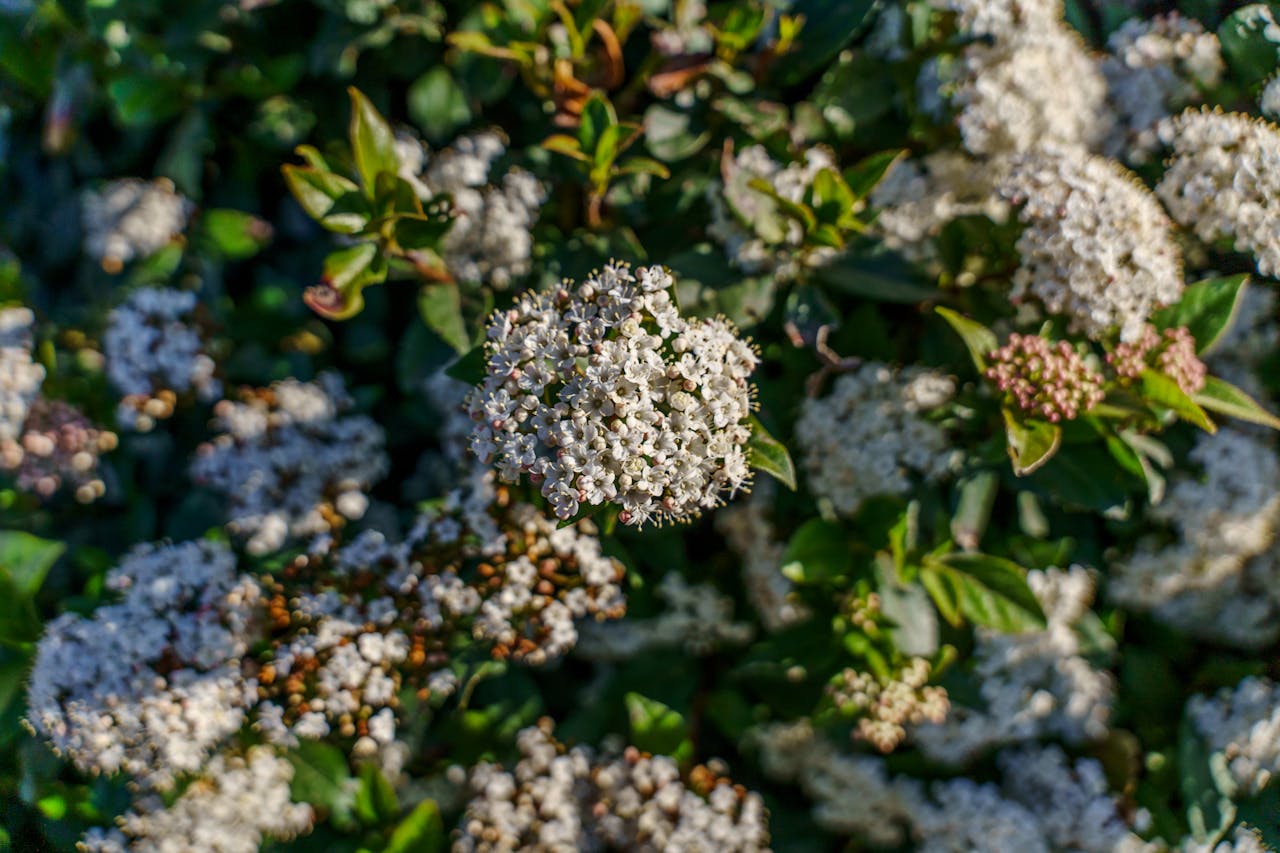

What makes viburnum so useful is the way its different species and varieties string interest through the year. Some types start flowering on bare stems in the depths of winter; others pick up the baton in spring, carrying blossom into early summer. Many then produce bright berries that hang on into autumn, while a few add fiery foliage colour on top. Plant a small collection and your borders can have viburnum doing something almost every month of the year.
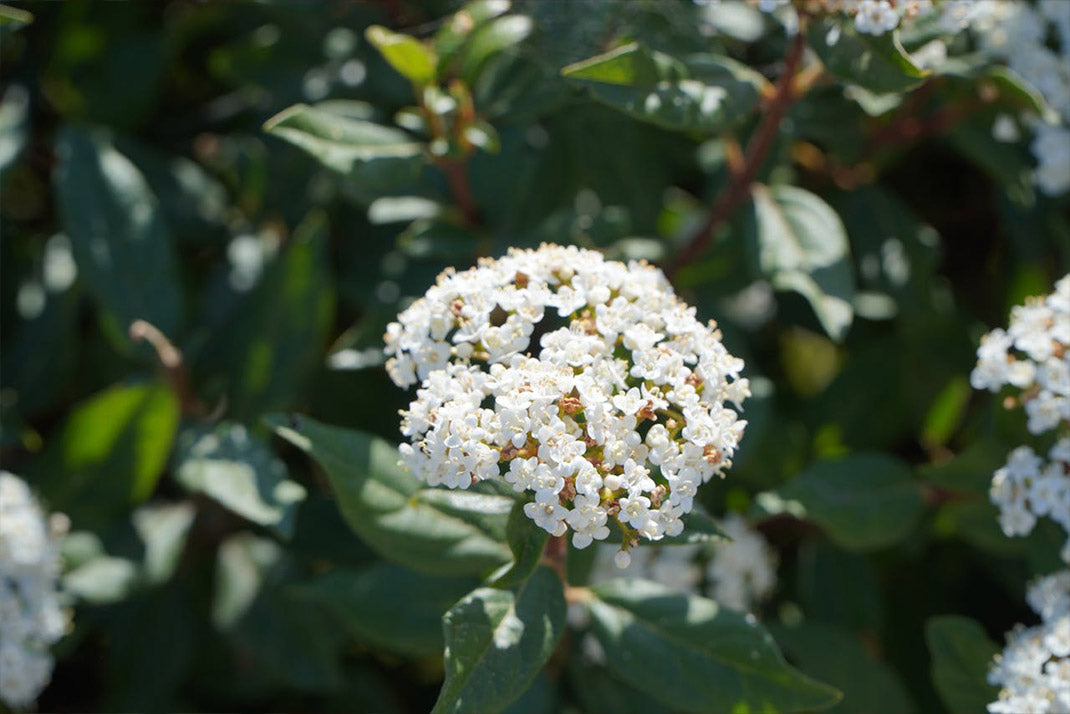
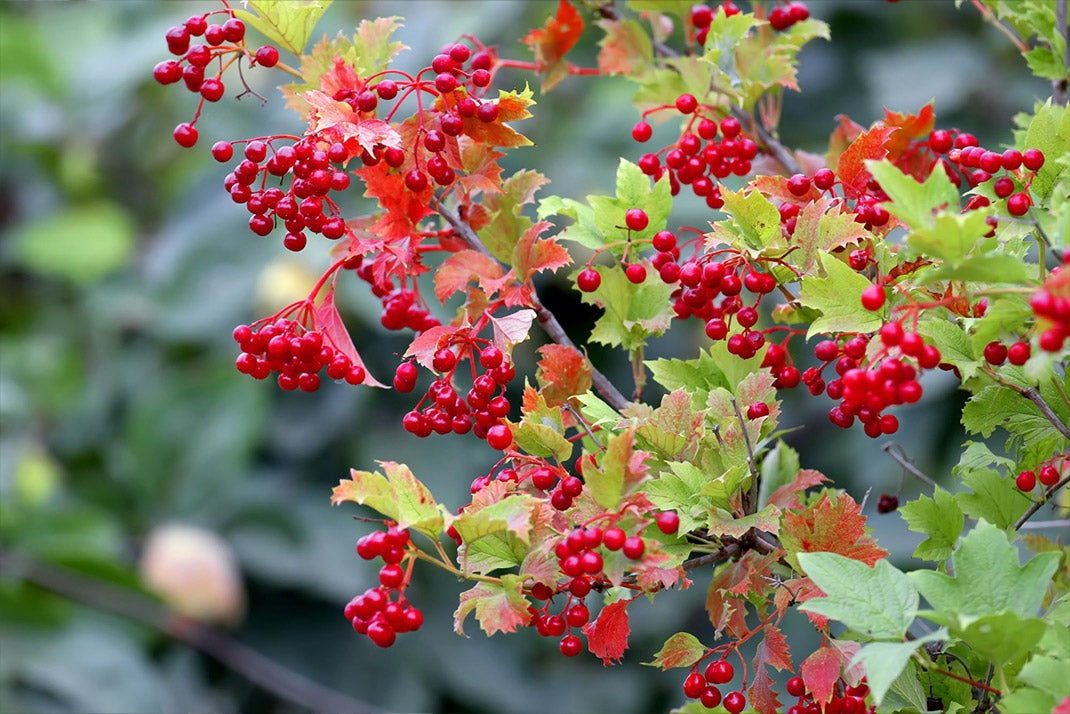
Common name: Viburnum
Latin name: Viburnum
Size in UK gardens: Most garden viburnums reach around 1.5–3m tall and wide; dwarf types may stay near 1m, while the largest can grow to 3–4m+ if left unpruned.
Best position: Sun or light shade; flowering and berrying are best with plenty of light, but many forms cope happily with a little afternoon shade.
Soil: Any reasonably fertile, moist but well‑drained soil; many tolerate chalk and clay, but they dislike ground that is either very dry or permanently waterlogged.
Flowering time: Depending on variety, you can have flowers from late autumn and winter (e.g. V. tinus, V. × bodnantense) right through spring and early summer, followed by berries and, on some, autumn colour.
Fragrance: Many viburnums are delightfully scented – especially winter and early spring bloomers – while others are only lightly perfumed. Foliage is usually not strongly scented.
Hardiness: Generally hardy in most or all UK gardens (typically around RHS H5–H6); evergreen types can be a touch more tender in very cold, exposed sites.
Care level: Easy to moderate – once established they’re tough, forgiving shrubs that mainly need sensible siting, a bit of water while young and pruning at the right time.

The Simpson’s team raises the majority of our trees here at the nursery. For varieties outside our own production, we work with independent local growers we trust - all chosen for UK climate suitability.
Planting time: As container‑grown shrubs, viburnums can be planted in most months when the soil is workable and not frozen or waterlogged, though spring and early autumn are usually the easiest times for new roots to get going.
Watering: Water regularly through the first couple of seasons so the rootball and surrounding soil don’t dry out completely, especially on lighter soils and in windy sites. Established plants usually only need extra water during prolonged summer droughts.
Feeding: In average garden soil, a yearly mulch of compost or well‑rotted manure in spring is usually all that’s needed. Container plants or shrubs on very poor ground benefit from a balanced, slow‑release shrub fertiliser in spring.
Pruning: Most viburnums need little pruning – just remove dead, damaged or congested wood and, for early‑flowering types, trim lightly after flowering so you don’t cut off next year’s buds. Older plants can be rejuvenated over a couple of years by removing some of the oldest stems.
Winter: Generally hardy and trouble‑free in winter; deciduous types simply stand bare, while evergreens keep their leaves. A mulch over the root zone helps on very light soils, and container plants appreciate a sheltered corner in the coldest, windiest spells.
Availability is always changing, so please check with us if you have a particular variety in mind.
A smart, modern viburnum with a lively, showy feel—excellent for bringing structure and a strong seasonal display to mixed borders. It works beautifully as a feature shrub, and it’s particularly effective where you want something that looks “designed” rather than wild, giving a bold presence without being heavy.
A wonderfully useful evergreen with leathery, deeply veined leaves that give strong year-round structure at a low height. It’s perfect at the front of borders or in woodland-style planting, and it looks especially good in small groups as a calm, dark-green framework. In season it can carry berries, adding extra interest.
A reliable, winter-flowering evergreen viburnum that keeps its poise all year, then brings clusters of pink buds opening to white flowers in the colder months. It’s perfect near paths or doorways where you’ll notice it when little else is happening, and it makes a tidy, handsome shrub for borders and screening.
A true winter treasure, with intensely fragrant flowers that appear on bare stems, often when the garden feels at its quietest. The scent carries on still air and is best appreciated near a doorway or path. It also brings good autumn colour, making it a shrub that earns its place across more than one season.
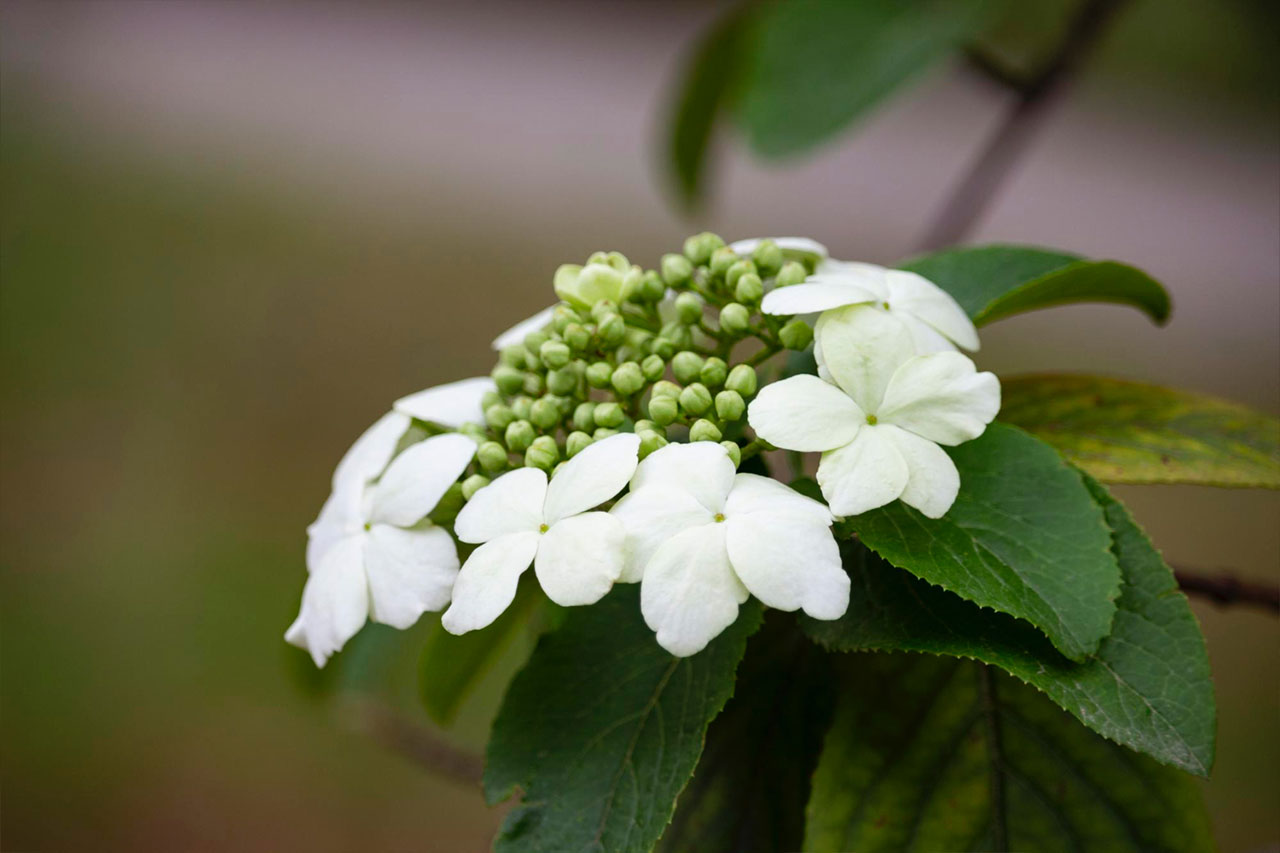
A beautifully floriferous viburnum with clean white blooms that bring a fresh, classic look in late spring and early summer. It’s excellent as a feature shrub in a mixed border, where it creates that lovely “cloud of blossom” effect, and it sits well alongside other traditional flowering shrubs.
A refined, garden-friendly viburnum with an elegant flowering display, bringing a soft, romantic feel to borders. It’s ideal as a feature shrub where you want seasonal flower with a composed outline, and it works beautifully in mixed planting to add that gentle, traditional charm viburnums do so well.
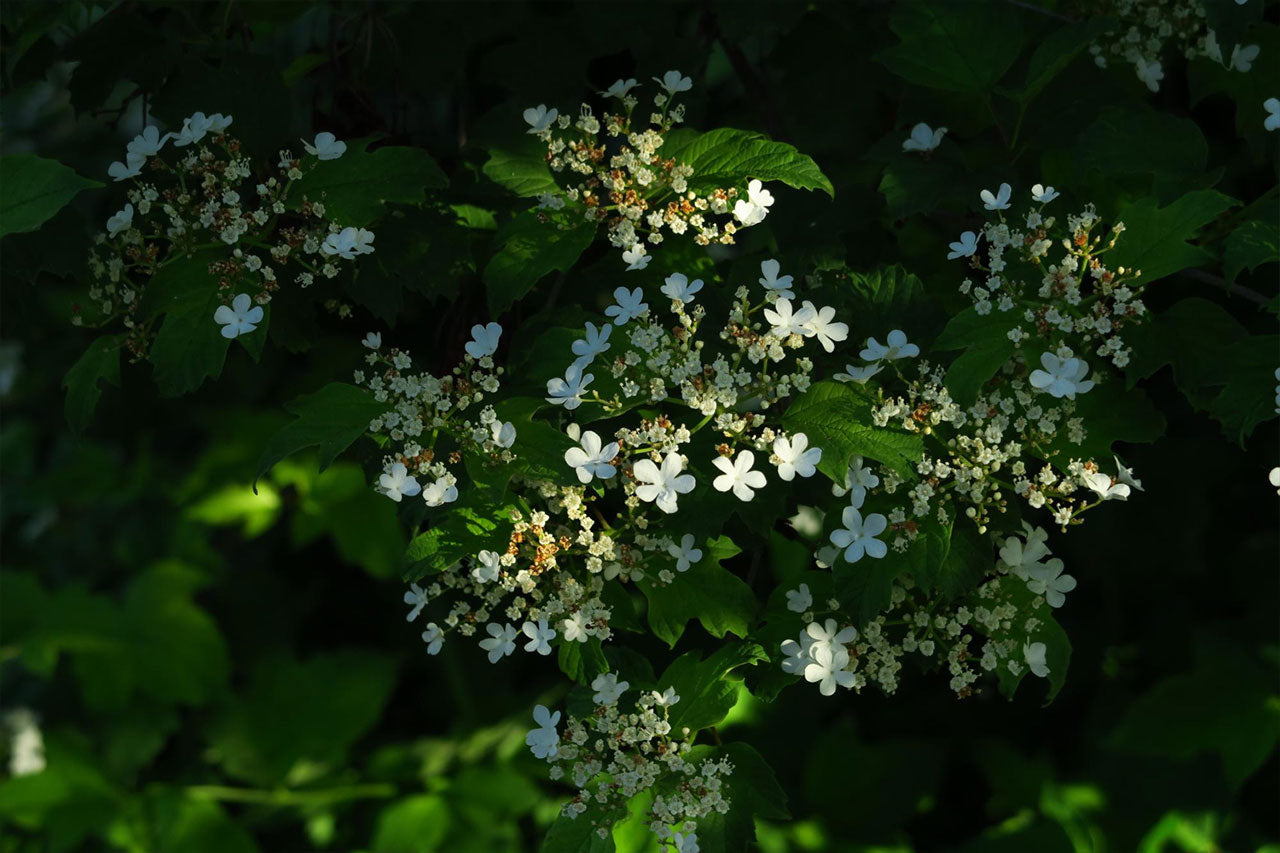
A wonderfully elegant viburnum with tiered branches and lacecap flowers that open white, often with a soft blush-pink tint as they age. It has a light, airy feel and makes a superb specimen in a border or lawn. The layered shape gives real presence, even when it’s not in bloom.
A classic Japanese snowball viburnum with beautifully tiered branches and flat lacecap flowers that create a stunning horizontal, layered effect. Perfect as a specimen shrub, where the structure can be appreciated from all angles. It brings a wonderfully calm, architectural look to borders, with great seasonal interest.
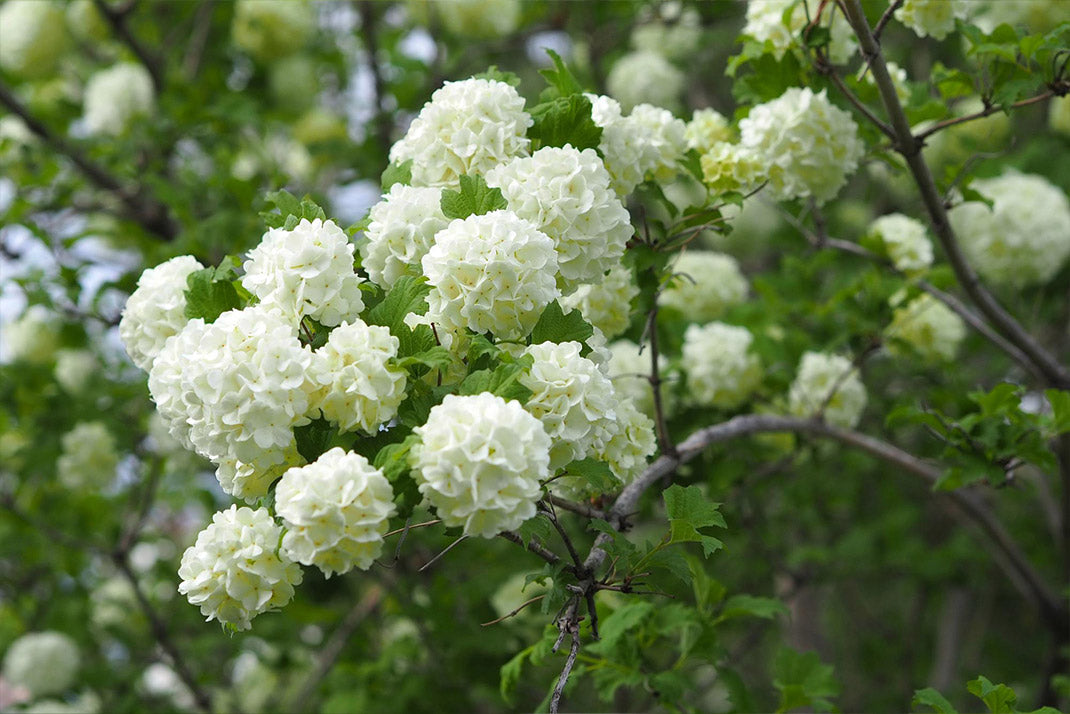
The traditional “snowball” viburnum, loved for its big, rounded heads of white flowers that look like pom-poms in late spring. It brings instant cottage-garden charm and is superb in mixed borders or as a standalone feature. A wonderfully nostalgic plant that creates a proper moment when in bloom.
A particularly beautiful plicatum viburnum with layered branching and lacecap flowers that sit like plates along the stems, giving a very elegant, architectural effect. It’s a superb specimen shrub, especially where you can enjoy the tiered form. It brings a refined, almost “Japanese garden” calm to mixed borders.
A striking, tiered viburnum with generous white lacecap flowers that create a crisp, clean display. It’s excellent as a feature shrub, bringing structure and elegance even when not in flower. The horizontal branching gives a lovely, composed look that suits both contemporary and traditional gardens.
A viburnum valued for its richer, darker foliage tones, which bring depth and contrast to mixed planting. It’s excellent as a backdrop shrub, making paler flowers and variegated foliage look brighter by comparison. A good choice when you want a viburnum that contributes to the colour palette through leaves as much as bloom.
A lovely viburnum that flowers over a longer period than many, producing repeated clusters that keep the plant looking fresh through summer. The effect is light and “snowy,” and it works beautifully as a feature shrub in mixed borders. Ideal when you want that plicatum elegance with an extended season.
A stalwart evergreen for year-round structure, with clusters of pink buds opening to white flowers through winter and early spring. It’s brilliant for hedging, screening and mixed borders, keeping gardens looking green and composed even in the cold months. Often followed by berries, it’s also a valuable shrub for wildlife.
A compact, tidy viburnum tinus with the same evergreen reliability and winter flowering, but in a neater, more garden-friendly size. Ideal for smaller borders, containers and low screening, where it keeps its shape and gives that valuable cold-season interest when much else is quiet.
A beautifully elegant plicatum viburnum that produces lacecap flowers in flushes, keeping it in bloom over a long season. The tiered branching gives a refined, architectural look, and it makes a superb specimen shrub. Perfect where you want repeated “snowy” flowers and graceful structure together.
A winter-flowering viburnum with wonderfully scented clusters that open from pink buds on bare stems, bringing real cheer in the colder months. The fragrance is best enjoyed near paths, patios and doorways. It also adds a graceful outline to the winter garden, making it valuable even between flowering moments.
One of the best shrubs for winter fragrance, with pink buds opening to pale flowers that scent the air on mild days. Plant it where you’ll pass often in winter, and it becomes a real seasonal highlight. It also brings good autumn colour, so it’s a multi-season performer.
A wonderfully fragrant spring-flowering viburnum with glossy foliage and generous clusters of white blooms that carry a sweet perfume. It’s superb in mixed shrub borders and near seating, where the scent can be appreciated. A great choice when you want a viburnum that feels both handsome and richly rewarding in flower.