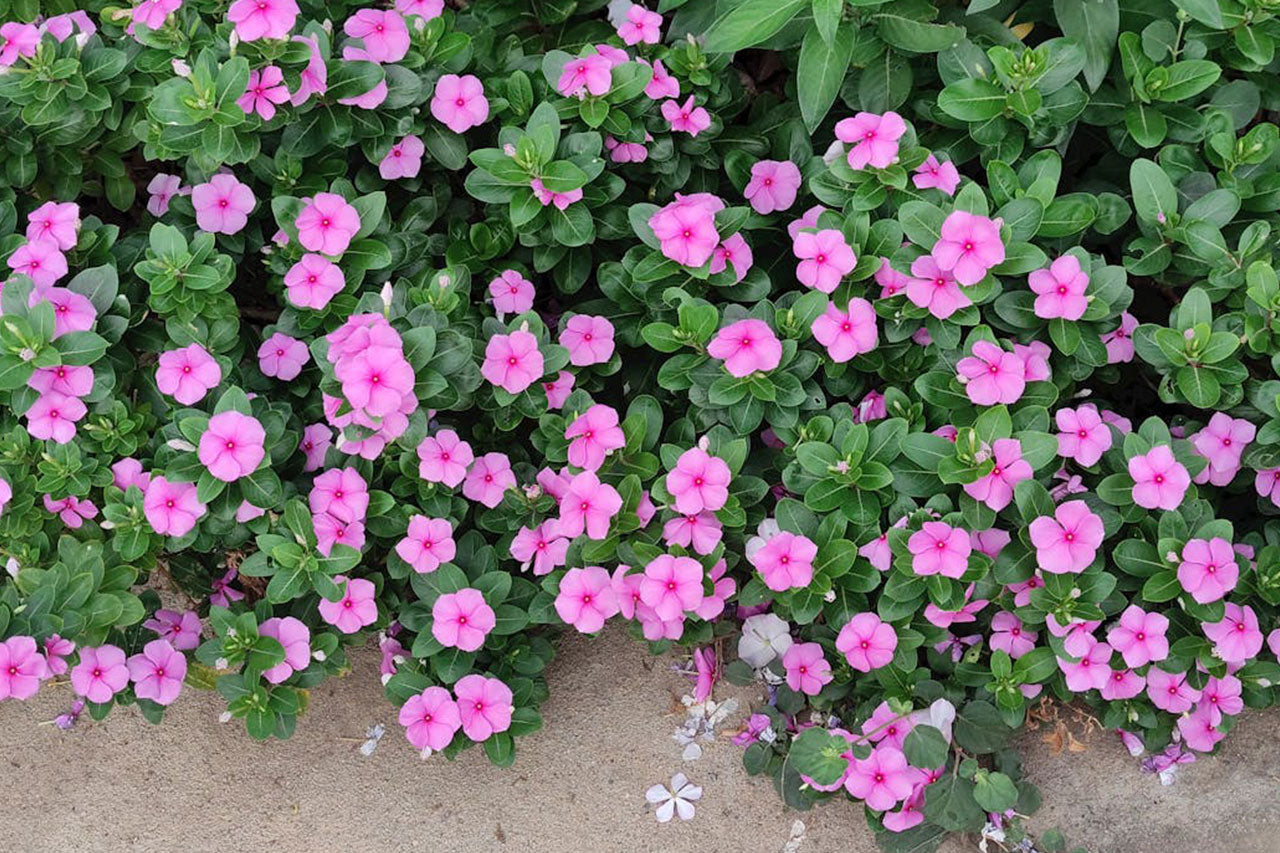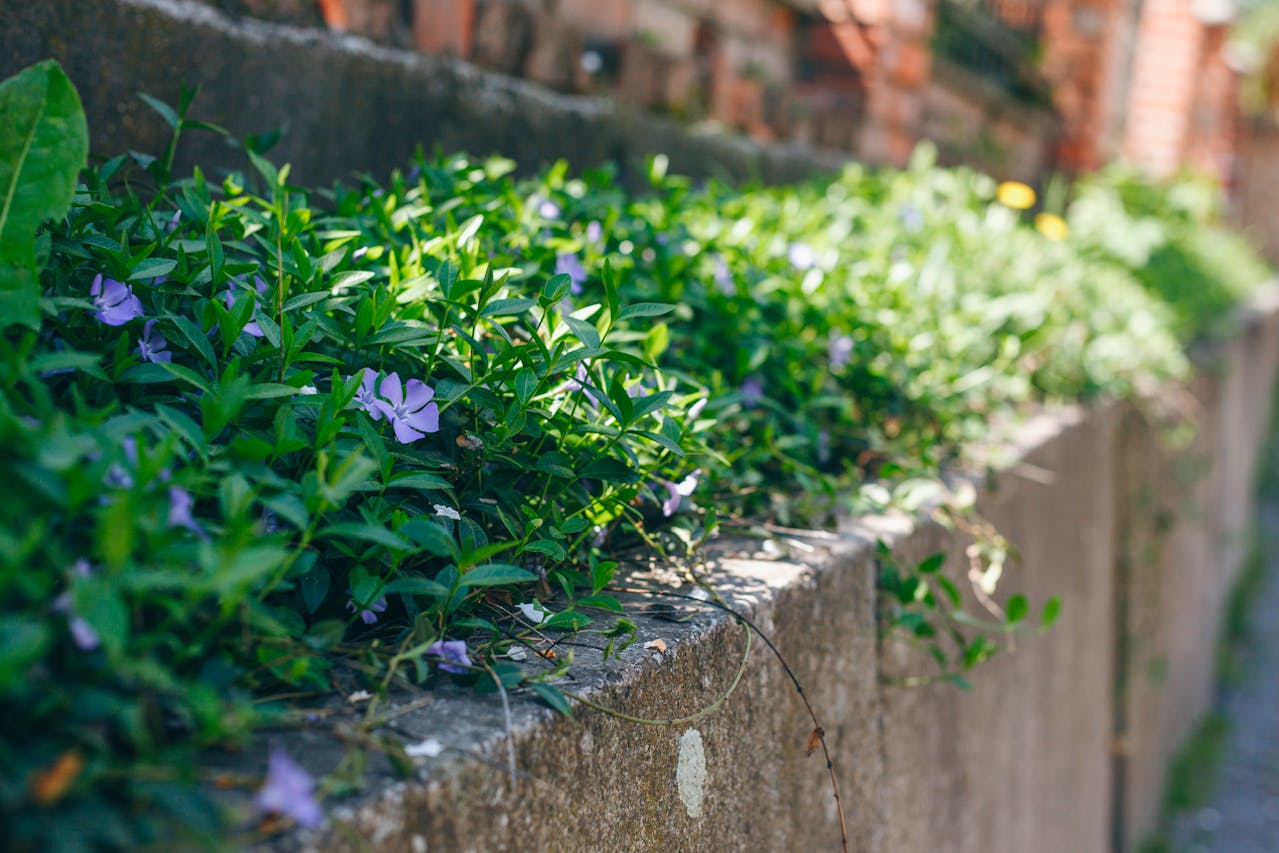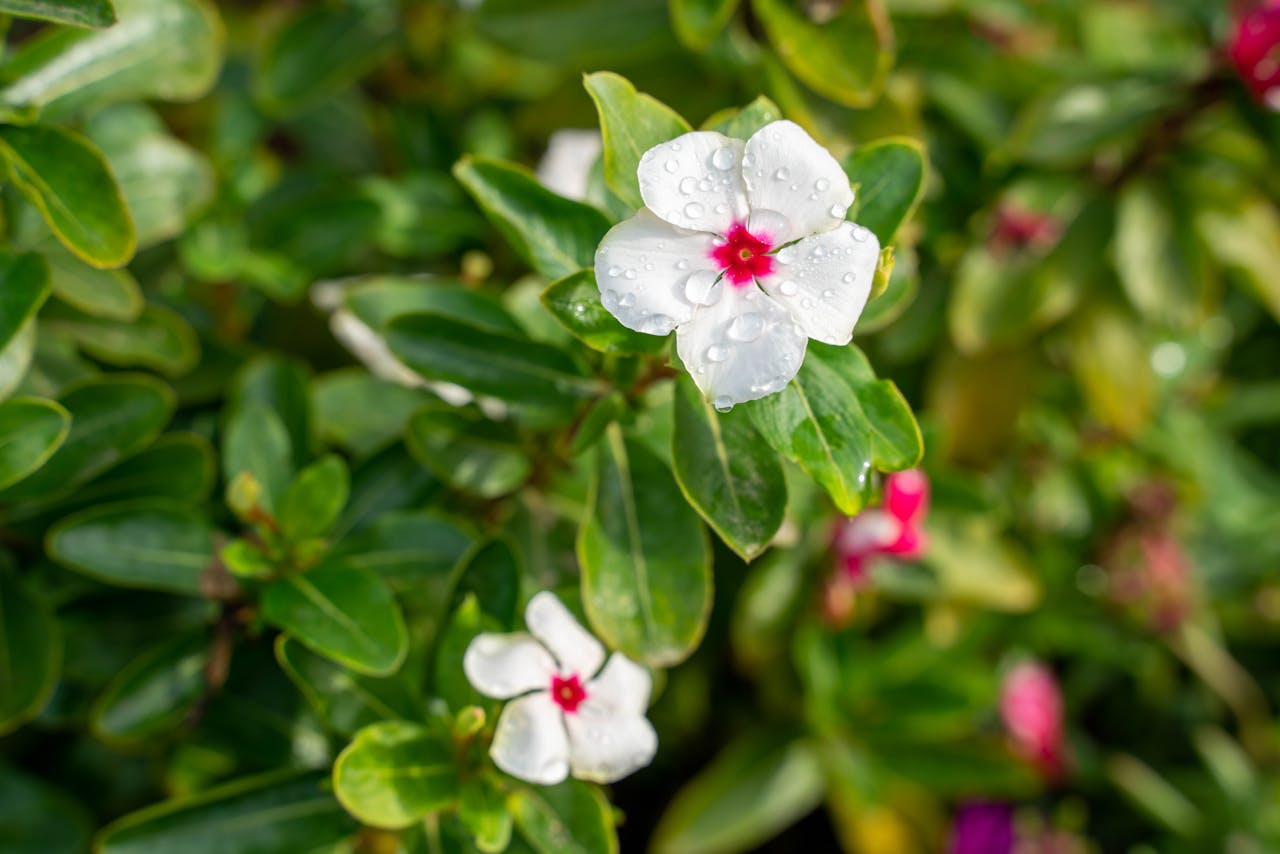

Once periwinkle has settled, it’s astonishingly reliable. Through winter frosts, spring downpours and summer heat, that low mat of glossy, neat leaves just keeps on going, covering bare soil and weaving between stones and roots. For gardeners in Cambridgeshire and across East Anglia with awkward dry shade, it can be a real ally – a plant you can trust to plug gaps where others fade away, without demanding daily attention.
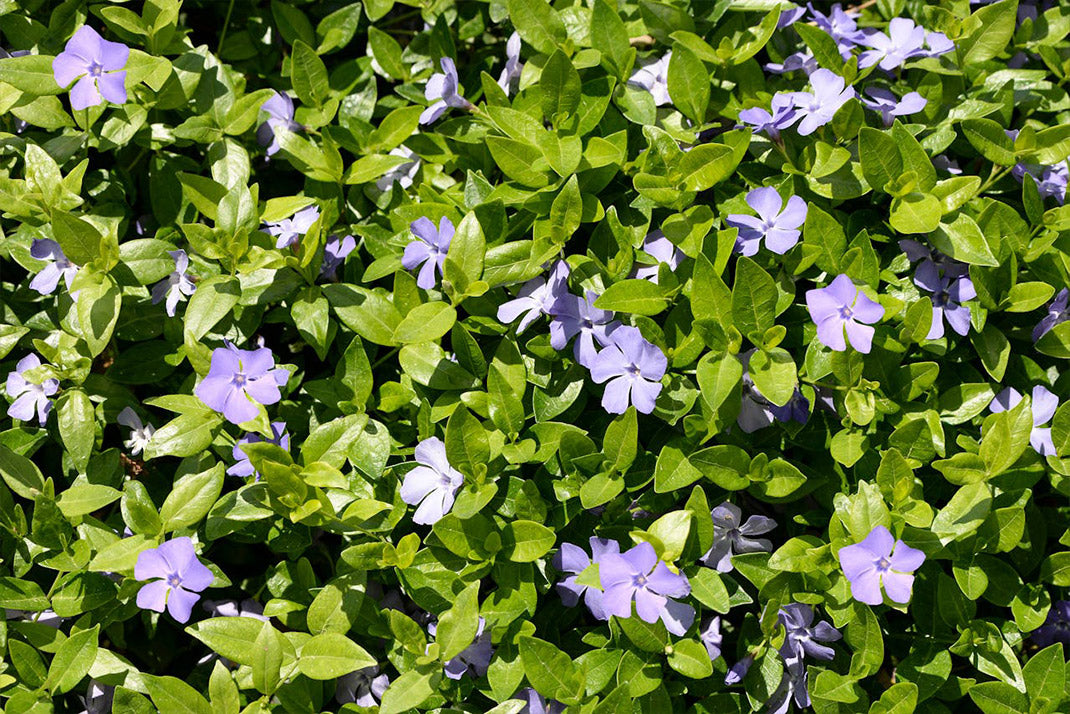
Common name: Periwinkle
Latin name: Vinca
Size in UK gardens: Usually 10–20cm high for V. minor and up to 25–40cm for V. major, but the stems can spread well over a metre or more to form a dense mat.
Best position: Happy in full sun to partial shade; very useful under shrubs and light tree canopies where lawn struggles. Best flowering in good light, but still flowers in shade.
Soil: Moderately fertile, moist but well‑drained soil; tolerant of clay, loam, chalk and sand once established, as long as it’s not bone‑dry or permanently waterlogged.
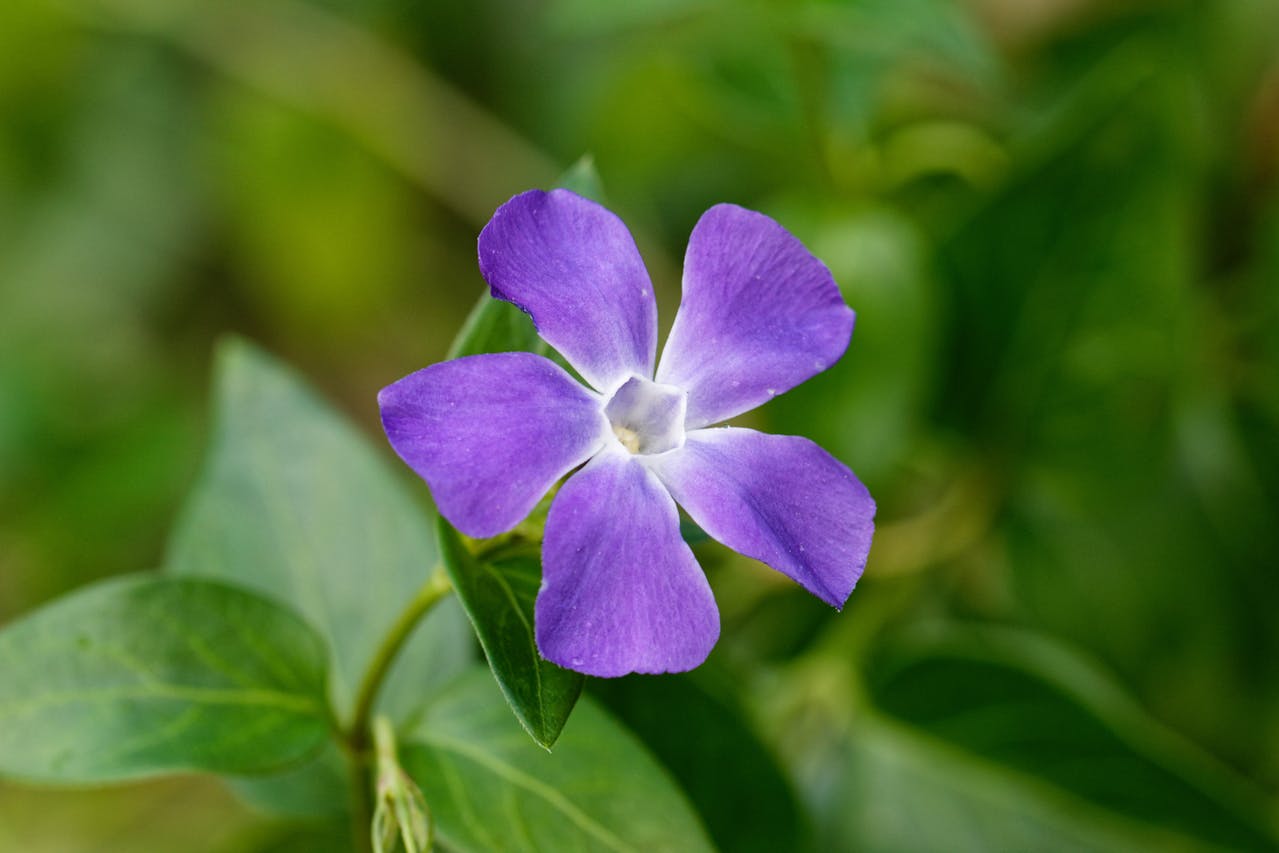
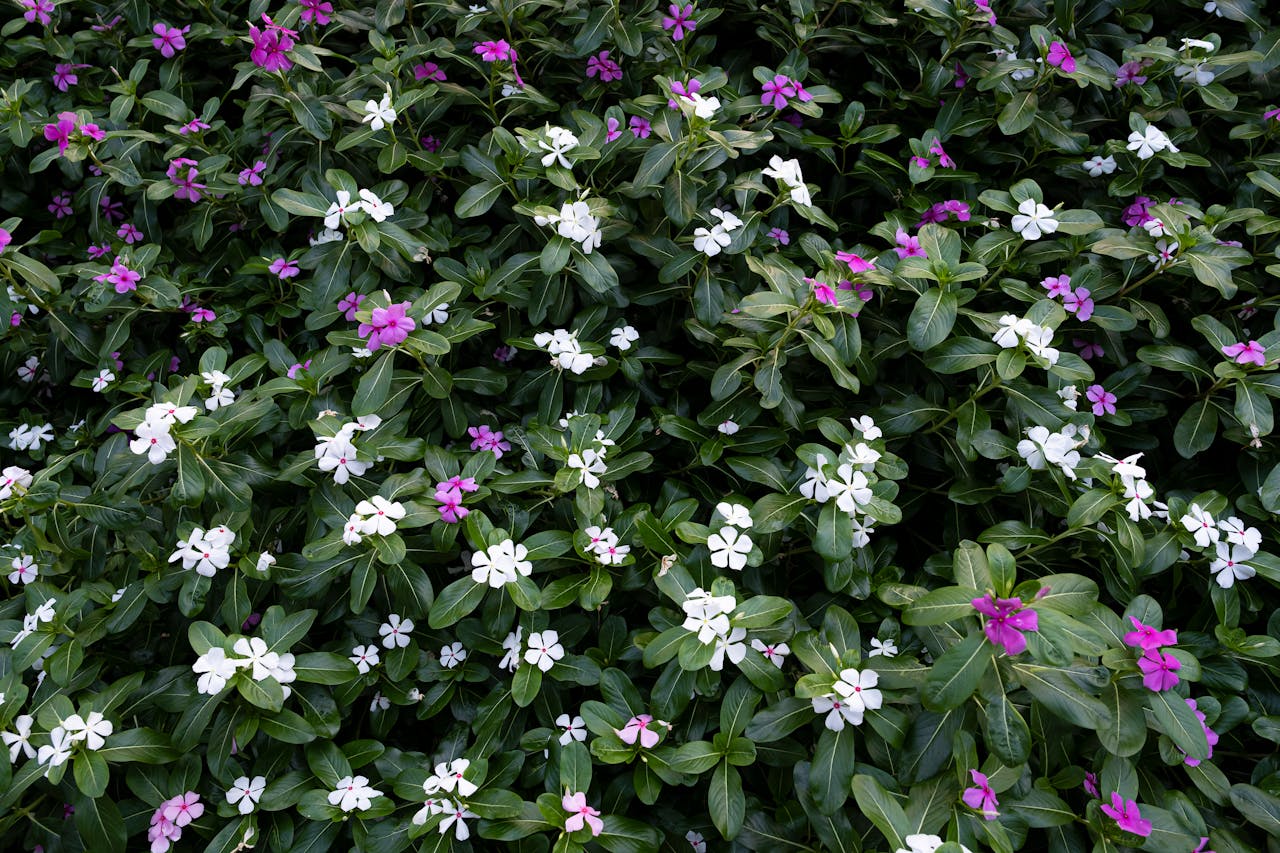
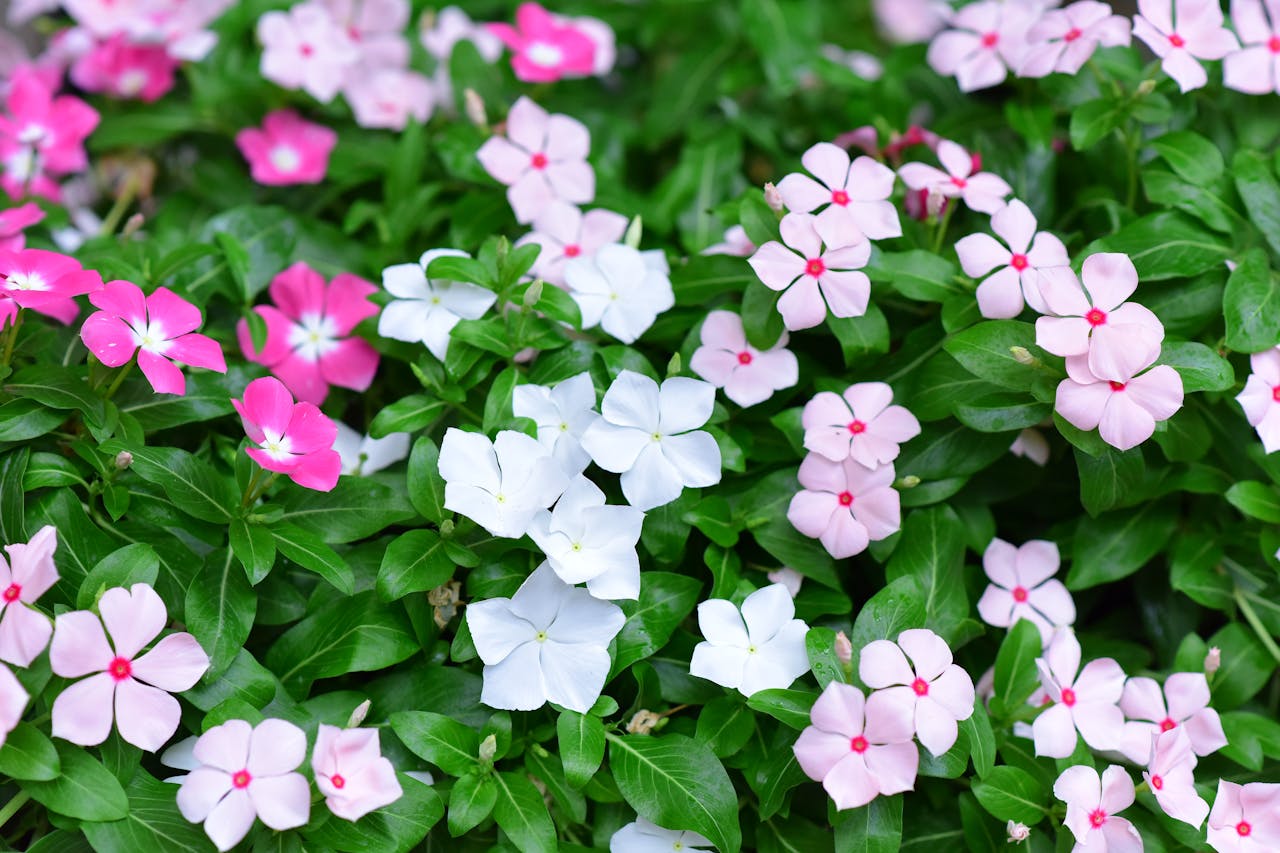
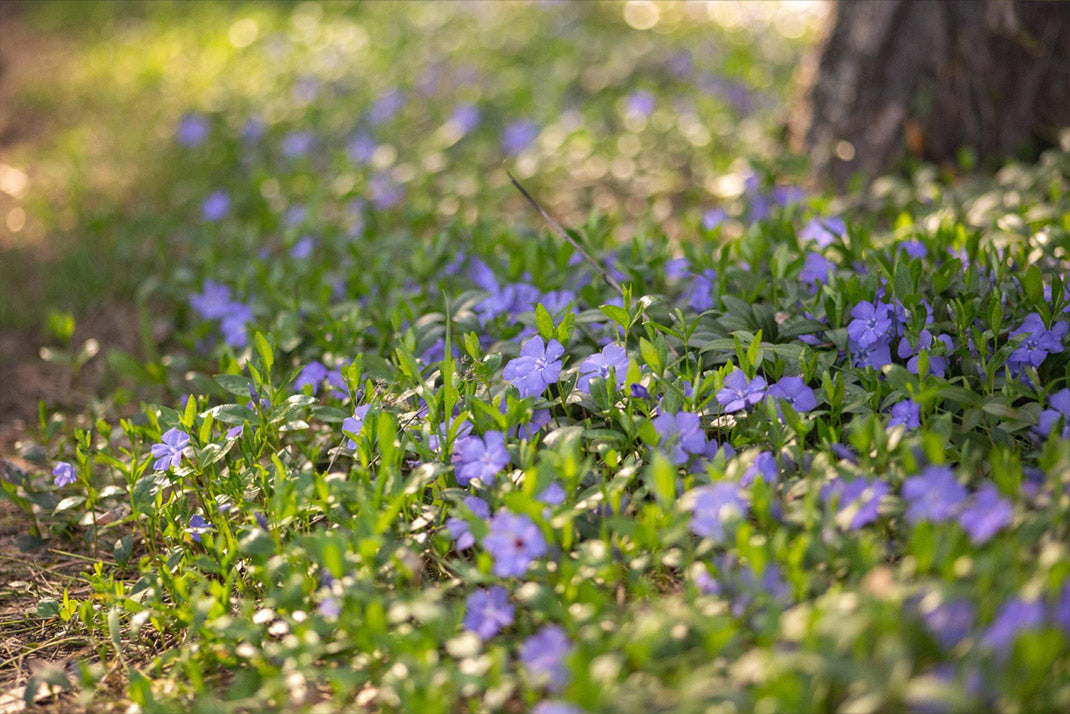
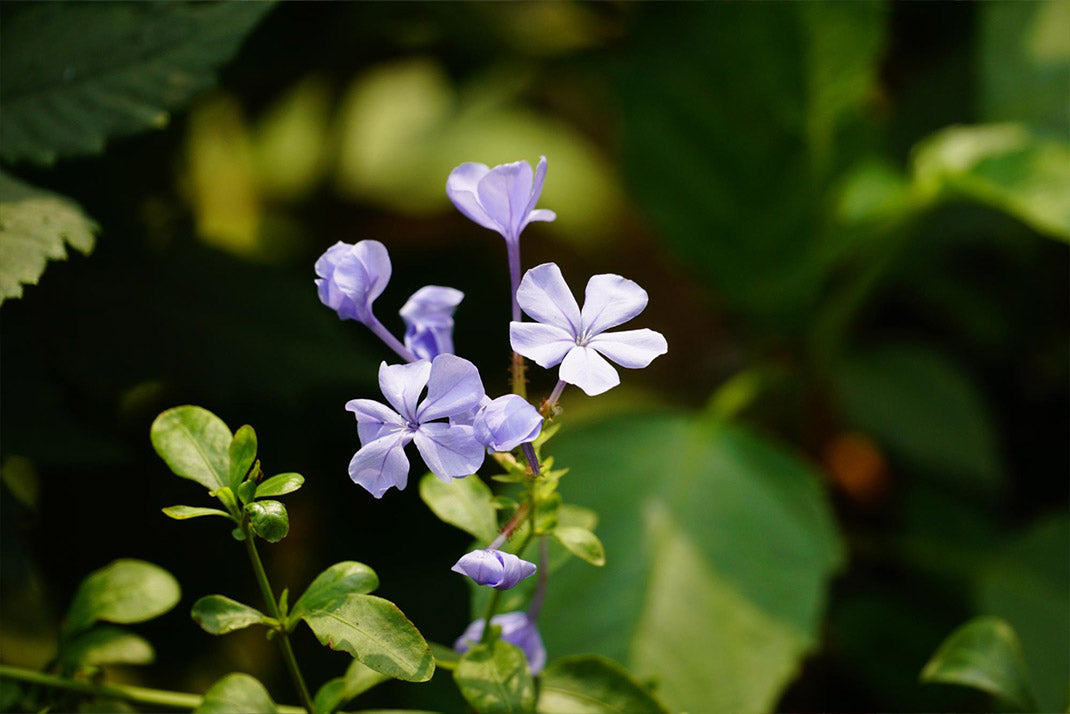
Main interest: Violet‑blue, purple, white or pink flowers in spring with some repeat through summer, on a neat evergreen carpet of glossy foliage.
Fragrance: Flowers are usually only lightly scented to our noses; periwinkle is grown more for colour and cover than for strong perfume.
Hardiness: Fully hardy through UK winters; Vinca minor is especially tough, with V. major slightly less hardy but still fine in most gardens.
Care level: Easy – once established it more or less looks after itself, but does need firm, occasional trimming to stop it wandering where it’s not wanted.

The Simpson’s team raises the majority of our trees here at the nursery. For varieties outside our own production, we work with independent local growers we trust - all chosen for UK climate suitability.
Planting time: As container‑grown plants, periwinkles can be planted in most months when the ground isn’t frozen or waterlogged, with spring and early autumn particularly kind to new roots.
Watering: Water regularly for the first season or two so the rootball and surrounding soil don’t dry out completely, especially on light, sandy ground. Once established, Vinca usually copes well with normal summer dry spells, needing extra water only in prolonged drought.
Feeding: In ordinary garden soil, a simple mulch of compost or well‑rotted manure in spring is usually enough. Pots or very poor soils benefit from a small dose of balanced slow‑release fertiliser in spring.
Pruning: Trim back trailing stems once or twice a year to keep them within bounds, and thin or lift sections if the mat becomes too thick. Vinca responds well to a fairly hard cut in spring if it’s over‑enthusiastic.
Winter: Fully hardy in the ground; foliage stays green and simply lies low through winter. Container plants appreciate a sheltered corner in very cold, windy weather.
Availability is always changing, so please check with us if you have a particular variety in mind.
A bright, vigorous groundcover with glossy leaves edged in cream, quickly lighting up shady corners and awkward banks. The larger periwinkle flowers add a lovely blue flourish in season, but the real value is that evergreen carpet that makes borders look finished and keeps weeds at bay.
A smaller, neater periwinkle with golden-variegated foliage that brings warmth and brightness under shrubs and along shady edges. It forms an evergreen mat that looks smart year-round, with blue flowers adding a gentle spring lift. Particularly good where you want groundcover that doesn’t feel heavy.
A calm, clean-looking periwinkle with pure white flowers that brighten shade beautifully. It makes a neat evergreen carpet under shrubs, along woodland paths, and on banks, giving that “green continuity” through the year. A lovely choice when you want a softer, lighter feel than the usual blue forms.
A crisp variegated form with silvery-edged leaves that brighten darker planting and bring contrast all year. It’s excellent as groundcover in shade, under shrubs, and along borders where you want a tidy evergreen mat. Blue flowers provide a seasonal bonus, but the foliage does most of the work.
A characterful periwinkle with deeper, purple-toned flowers that add a richer note than the classic blue. It forms a neat evergreen carpet, perfect for underplanting shrubs, covering banks, and stitching borders together in shade. A great choice when you want groundcover with a slightly moodier, more dramatic flower colour.
A much-loved classic, valued for its free-flowering nature and tidy evergreen groundcover. It spreads to make a dense mat that’s excellent under shrubs and along shady edges, and the blue flowers come generously in spring. One of the best for reliable coverage and a long, cheerful flowering season.
A smaller-leaved, refined periwinkle that forms a neat, dense carpet—perfect when you want groundcover that looks tidy rather than rampant. It’s excellent for edging woodland borders, underplanting shrubs, and covering awkward patches in shade, with blue flowers adding a gentle seasonal lift.
A bright, modern-looking periwinkle with vivid golden foliage that really lifts shade, making it superb for containers, underplanting and tricky corners. It forms an evergreen carpet and looks particularly striking beside darker greens. Flowers are a bonus, but the foliage brings the main “light-up” effect.
A handsome variegated periwinkle with green leaves edged in cream, giving a clean, bright look through every season. It forms a neat evergreen mat under shrubs and along shaded borders, and the blue flowers add an extra splash in spring. A very useful choice for lifting darker corners without fuss.